
The Bucket List Goal
We watch elephants on National Geographic or the Nature Channel and think that what we’re seeing is real, but it isn’t. Hence, the problem is that many sites show elephant rides as fun experiences, which they can be, until you learn how cruel these practices often are. Before you book, ask yourself: What’s the difference between elephant sanctuaries and elephant trekking

But tourists do not know the issues behind those pictures, and it is key to go beyond, to find experiences that do justice to these great animals.
In this post, we’ll discuss the gap between sanctuary and ride, stories, and how you can experience without loving.
What Is the Difference Between Elephant Sanctuaries and Elephant Trekking?
|
Elephant Sanctuaries |
Elephant Trekking |
|
Focus on rescue and care |
Tourist rides goals |
|
No riding or performances |
Carry tourists |
| Roam freely |
Elephants are often chained |
| No harm |
Training often involves pain |
| Learning and protection |
Profit-driven acts |

What Is the Dark Side of Elephant Tourism?
There are over 3,000 elephants used for tourist entertainment in Asia, mainly in Laos, Cambodia, Thailand, Vietnam, Nepal, India, and Sri Lanka. However, tourist shows come in many forms:
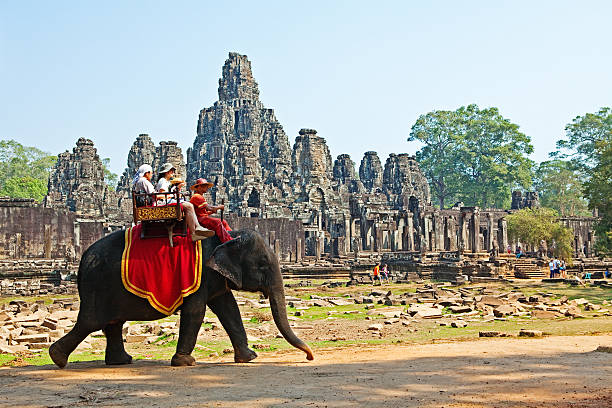
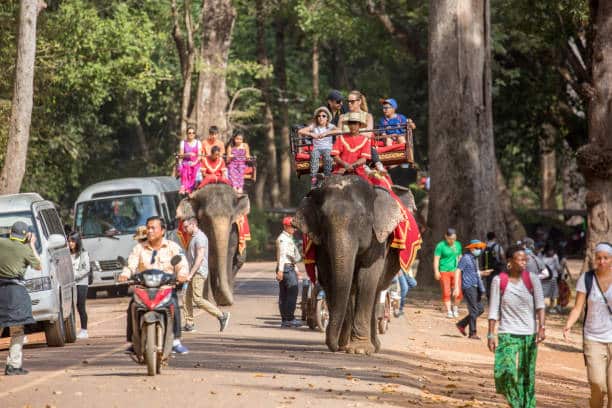
- Riding the elephant through the jungle
- Watching a show or circus-like performance where the elephant does tricks
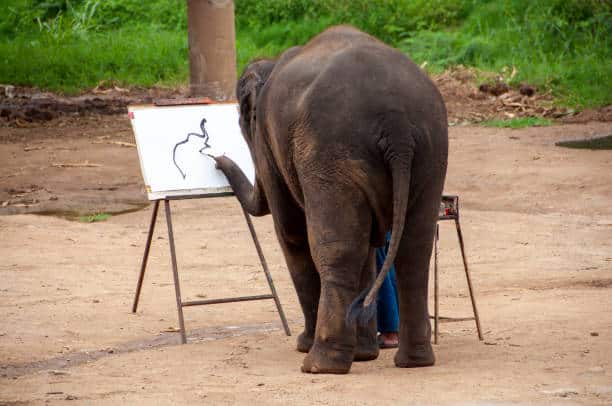
- An elephant painting pictures, with its “owner” selling it for profit
- Any other activity that an elephant does not naturally do
With the number of tourists growing each year in Asia, the number of elephants taken into captivity has also increased. Yet, estimates show a 30% increase in captive elephants between 2010 and 2016.
It is also important to know that the Asian Elephant is at risk of extinction, with only about 40,000–50,000 elephants in the area.


What Are the Living Conditions Like in Elephant Trekking Camps?
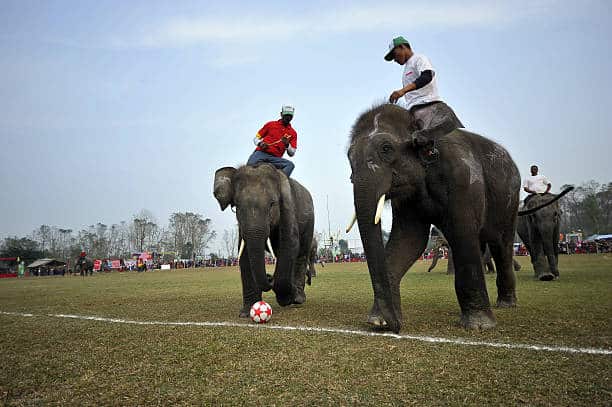
Most tourists never see how elephants live in riding camps. Hence, if you see an elephant trekking, performing in shows, painting, or playing games like soccer, they are almost likely not living in a true sanctuary. Thus, common states include:
- Poor-quality diets
- Short chains and limited movement
- Little or no veterinary care
- High stress and exhaustion
Why Is This Considered Cruel?
Although it may seem good to see an elephant painting a picture or playing soccer, these actions are not ordinary. Hence, they are the result of mistreated training methods. However, elephants are normally trained with a bull hook, which is a sharp ,metal instrument that strikes with pain and fear. This treatment has left many of the saved elephants with permanent physical and mental scars in real elephant sanctuaries.
What Happens When Elephants Are Kept Working?
Captive elephants tend to die much earlier than in the wild.
- Life span in the wildl: approx 60 years.
- Average lifespan in a captivity: less than 45 years
However, the most usual causes of early deaths include:
- Poor living conditions
- Chaining and abuse
- Lack of food and water
- Fatigue and thirst
Real Events
In 2016, the elephant Sambo fell and passed away at Angkor Wat, Cambodia. She was 40 to 45 years old and died of a heart attack, and worked all day in extreme heat without food, rest, or water.
In 2015, a 36-year-old elephant in Northern Vietnam died overnight after being shackled to a tree following a full day of ferrying tourists. Thus, many elephants who endure similar lives are later among the elephants rescued in Thailand, where sanctuaries help extract them from tourist labor and care for them long-term.
How Does Abuse Begin at a Young Age for Elephants?
Elephants are often abused long before they start working. Hence, the “training crush” involves separating baby elephants from their herds as young as three years old. This process breaks their spirit through fear and harm, leaving long-lasting emotional trauma. Thus, tourism demand directly fuels this practice.
How Can We Stop This?
A study by World Animal Protection shows change:
- In 2014, 53% of tourists believed elephant riding was acceptable
- By 2017, this dropped to 44%
In 2016, TripAdvisor banned the sale of tickets for events that involve physical contact with endangered animals. This includes things like elephant riding. Yet, many travel firms have followed this very early.


What Are Some Stories from Ethical Elephant Sanctuaries?
While there are lots of terrible firms that abuse elephants, there are also places that rescue these animals. Hence, here are some stories from sanctuaries in Cambodia and Thailand.
Cambodia
At the sanctuary in Cambodia, you can meet Ruby, a rescued elephant who escaped a life of hunting and logging. Now living safely at a sanctuary, she enjoys freedom, peace, and even the occasional nighttime banana raid into nearby plantations. To read more about Ruby’s antics, read Ruby Runs Riot.
Thailand
In Thailand, their goal is to teach local people, international visitors, and most importantly, the local kids about putting a stop to animal cruelty and saving Thailand’s remaining wildlife. We saved Apple and Princess here from an elephant camp and brought them over here. They had Princess, the baby elephant, for sale, and if he was sold before the sanctuary saved her, she would be forced to work on tourist streets now.


Is There an Ethical Way to Experience Elephants?
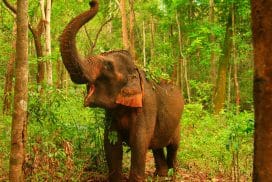
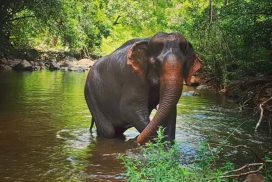
Yes, but you have to look it up and know about it. Right sanctuaries focus on rescue, care, and recovery over entertainment. However, Globalteer offers three fantastic opportunities to join if you want to volunteer with rescued elephants in Thailand or Cambodia. We work with local, grassroots sanctuaries that depend on visitors to come and help in caring for the elephants.
- Elephants roam freely
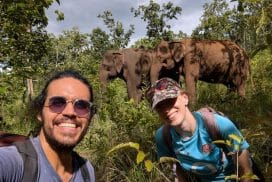
- Tourists who watch or volunteer without riding
- Elephants roll in the mud, play, and live naturally.
Many saved elephants are unable to go back into the wild, but in sanctuaries, they find safety, space, and dignity.
We hope you think this is the right way to see elephants, and join Globalteer in Thailand or Cambodia on your next trip. Also, if you’re interested in donating to support our other projects, please visit our donation page.
Checklist for an Ethical Elephant Experience in Asia
- Tourists do not ride the elephants
- The elephants do not perform for tourists
- No elephant painting for tourists
- No elephant soccer
- The elephants roam free
All this means that true sanctuaries put their elephants first. Hence, they often have tourists visit their sanctuaries or volunteer to help. This is key to the financial balance of the sanctuaries. At the best elephant sanctuaries, the elephants roam free, and tourists come to see, volunteer, and support the sanctuary.
Why not donate to support these amazing animals and their safe sanctuaries?
Resources
Elephant Statistics, Tourist study World Animal Protection. Endangered Species List WWF. TripAdvisor Ban National Geographic. List of Companies banning the sale of unethical animal excursions PETA. Sambo, Cambodia Elephant The Telegraph. Elephant collapses in Vietnam