
“When you look into the eyes of an animal you’ve helped, you realize compassion has no language.”
Animals are an integral part of our world. We share this planet with them; we just happened to build the cities first. Giving them space and care through animal volunteering abroad is one meaningful way to make a difference.
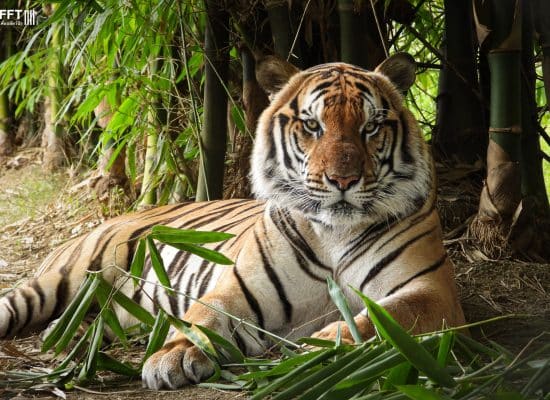
In this article, we’ll take you inside the real experience of working with rescued animals overseas. We will share everything from daily routines to emotional highs and challenges, and the life-changing lessons that come from volunteering for a cause bigger than yourself.
Why Do People Choose to Volunteer with Rescued Animals Abroad?
The magnitude of wildlife crime is truly dreadful. According to the UNODC’s 2024 report, illegal trade touches nearly 4,000 species in over 160 countries. The report indicates that over 40% of the confiscated animal species were threatened or were found to be either near-threatened.
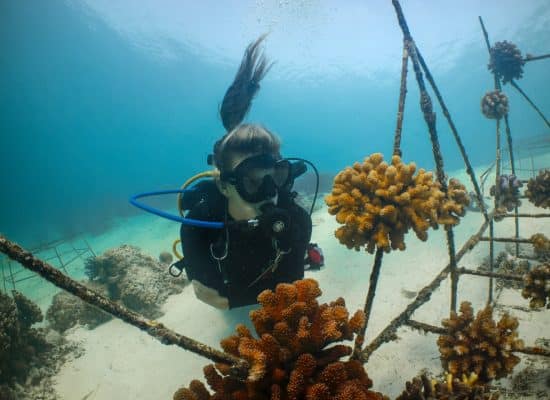
Animal conservation volunteering abroad is a cause that is central to this international crisis. Finding adventure is not the only point when individuals travel the world, but also to make the world a better place to live. Moreover, to serve this cause, people often opt for wildlife conservation volunteering abroad.
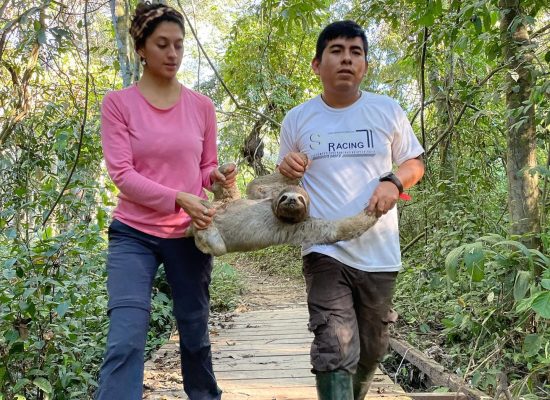
A Day in the Life of an Animal Volunteer
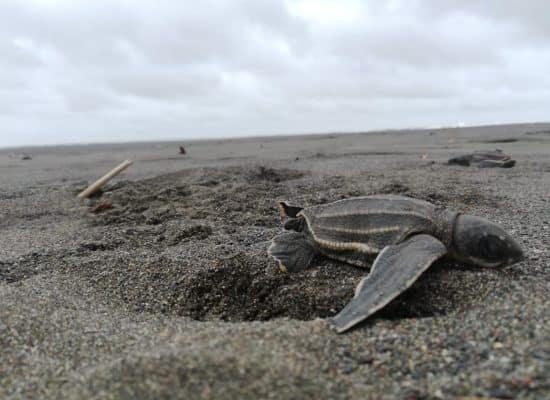
It is not a standard nine-to-five job when working with animals overseas. Every day has its challenges and joys. The goal is simple: help them heal and live better lives.
Morning Routines and Responsibilities
The schedule and duties are significant aspects since they instill patience and responsibility.
- Mornings usually start with feeding the animals and checking their enclosures.
- Some people who work with animals overseas prepare food for monkeys, while others clean habitats or refill water stations.
However, there is no fixed schedule because you may have to provide service as per the need. If any animal is facing trouble or is traumatized, volunteers often try to ease their suffering with compassion.
Working Alongside Local Teams
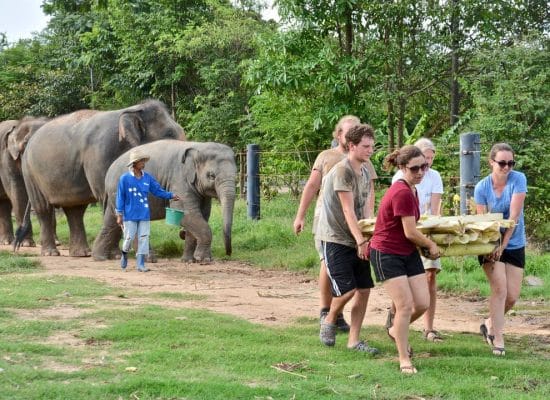
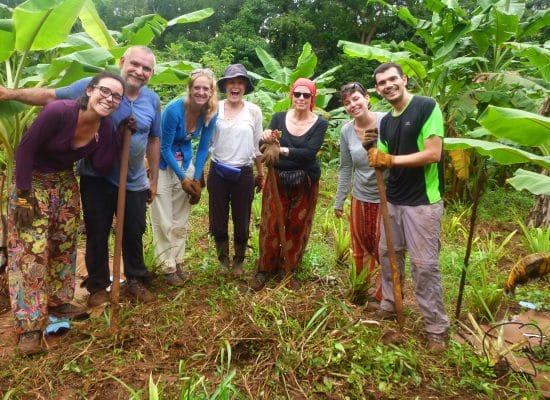
The majority of animal volunteering programs abroad are organized by local experts who are aware of the requirements of the rescued animals. The volunteers work in collaboration with caregivers, veterinarians, and conservation personnel.
This collaboration assists in the diffusion of cultures. You not only get to know about the animal care but also local customs and lifestyles.
Moments of Joy and Challenge
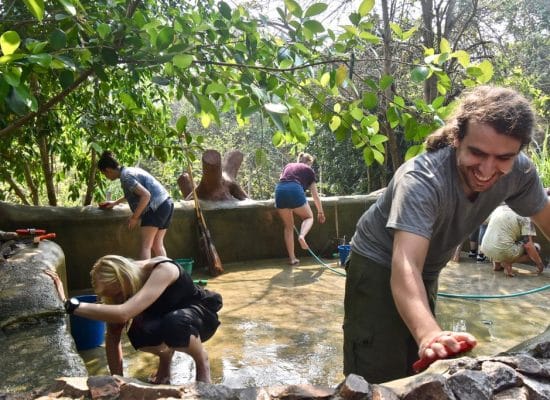
The fact is: volunteering is not always that easy. The job is physically demanding and exhausting, not to mention that it is stressful. But the most life-changing experience is the one when you witness an animal receiving a second chance and returning to the forest.
It's all worth it to watch an elephant bathe in the open air or a bird fly again. These moments remind you that compassion is stronger than anything.
What You Learn from Volunteering Abroad?
Animal volunteering abroad is not only a chance to contribute to the welfare of wildlife but also a personal development opportunity. You learn many things, including -
- The extent to which patience, empathy, and teamwork are important in the management of living beings. Volunteers often say the experience changes how they see the world.
- You understand how every species has a role in keeping nature balanced.
- Simple living becomes a part of your personality because working in rescue centers means fewer comforts but greater purpose.
- Furthermore, you learn about various communities and respect them for devoting their lives to conservation.
These are the lessons that you bring home, and these all remain with you even after the end of your trip.
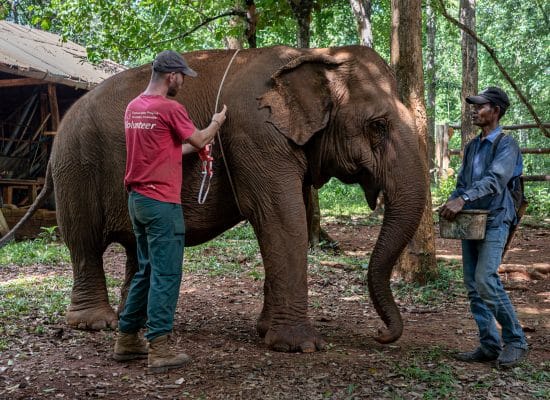
How to Find the Right Volunteer Program?
The choice of the appropriate volunteer travel programs cannot be made without research and thorough consideration.
- First, it is necessary to check the state of ethics and the sustainability of the organization. Authentic animal conservation volunteer programs do not use animals as subjects to take pictures of or play with.
- Look for trusted groups like Globalteer.org that partner with licensed sanctuaries and wildlife conservation volunteering abroad projects.
- Read reviews, seek clarification on the general work of the day, and make sure your fees are available to save the animal and not for gaining profit.
- Additionally, being mentally prepared is another suggestion; it is a challenging but rewarding job.
The correct program will be in line with your ideals and interests in saving animals.
What are the Tips for Making the Most of Your Experience
Volunteering for animals abroad is not only a matter of actions, but also a matter of attitude.
- Always be willing to learn under difficult circumstances.
- Be respectful to the local team and use their advice; they are the most familiar with the animals.
- Be curious, not judgmental of new cultures and approaches to work.
- Make a journal of what you experienced. It makes you look back and recollect the little and meaningful things.
- Take care of yourself, too. Take a break, eat, and have water. Being at peace with yourself, you are in a position to provide your best to the animals.
Lastly, carry what you learn back home. Inspire others to join conservation volunteering abroad programs and continue spreading awareness.
In Nutshell
Wildlife conservation volunteer abroad instills a lot, most notably: You can’t fake caring. Every rescued has a haunted past and each volunteer becomes part of their hero recovery. It’s the love and nurturing that ties both of them together.
However, this is not just about saving animals and changing their fate, but about returning humanity, patience, and respect to everyone who lives.