
Ethical volunteering abroad has become a powerful way to make a real difference. Today, there are more chances to travel and volunteer than ever before. But not every opportunity is as good as it seems.
In this guide, we’ll explain how to volunteer abroad the right way. You’ll learn about warning signs, read real volunteer stories, and how your work can make a difference.

What Does Ethical Volunteering Abroad Really Mean?
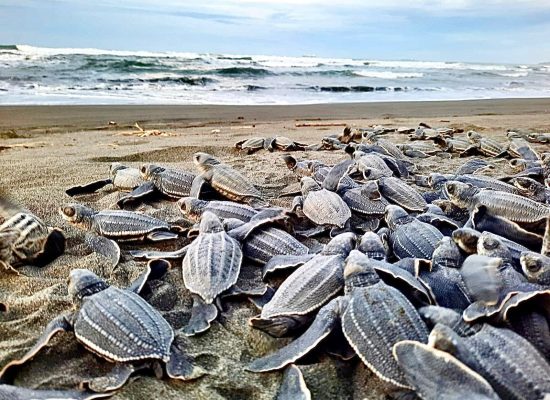
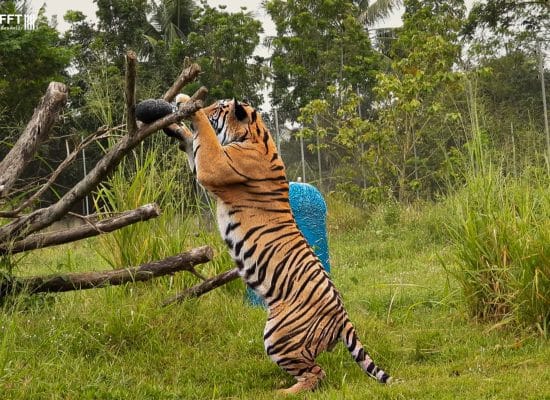
Wildlife volunteer projects help animals live better lives and protect nature. They also respect local cultures and natural habitats. It’s not “voluntourism” pretending to be good. True ethics always put animals first.
That means no shows, no random breeding, and a focus on returning animals to the wild. Your work abroad should lead to real change, not repeat harm or control.
How Ethical Volunteering Abroad Differs from Traditional Volunteer Work Abroad Programs
Many overseas volunteer programs put the volunteer’s experience first, not the environment. They may promise things like guaranteed animal interactions, photo opportunities, or hands-on activities. These may sound exciting, but they can stress animals or disturb their natural habits.
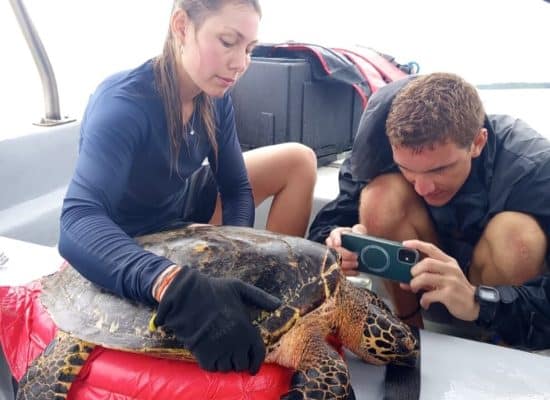
Ethical volunteering abroad takes a different approach. Your days might involve collecting data, painting fences, or replanting native trees. Volunteers usually don’t handle animals. So, when they do, strict welfare rules follow. The focus shifts from what volunteers want to what animals and habitats need.

Why Choosing the Right Volunteer Program Matters
Much of the money from volunteer tourism does not go toward helping animals. Some programs support real conservation, while others fund animal abuse. Choosing the right program matters. Your choice can protect wildlife or cause harm by accident.
How the Wrong Program Can Harm Animals or Local Ecosystems?
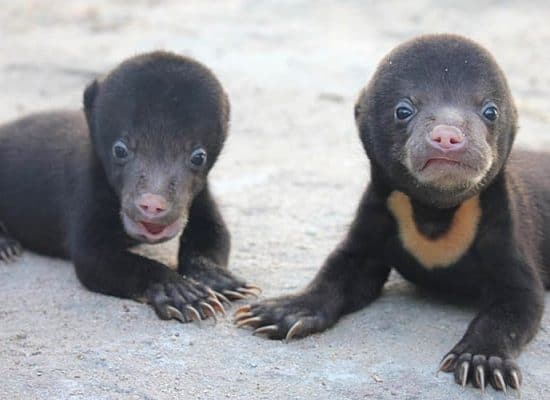
Choosing the wrong volunteer opportunity can harm animals. Unethical facilities often handle animals, leaving them stressed and anxious. They may provide poor nutrition and limited medical care. Some programs use animals to give volunteers photo opportunities with babies. These animals rarely, if ever, get to return to the wild.
How to Identify Ethical Volunteer Abroad Programs
Start by seeing what the organization stands for. Helping animals and protecting habitats is more important than sending volunteers abroad. Their materials should show conservation wins and local partnerships over volunteer fun.
Look for programs that explain how they care for animals and follow proper welfare rules. They should describe handling, breeding, trading, and releasing animals. Trusted programs usually have recognized certification or strong conservation links.
Checklist for Choosing Ethical Volunteer Programs
When evaluating international volunteer opportunities, use this checklist:
- Animal Welfare Standards: Find if the group respects the Five Freedoms or other welfare standards. Are animals given suitable housing with room to roam, things to do, and the chance to socialize?
- No Exploitation: Are animals used for performances, photos, or rides? Does the facility breed animals for volunteer interactions? Make sure organizations use your funds and donations for animal welfare correctly.
- Veterinary Care:Is access to trained veterinary experts available? Are there clear rules for preventive care and emergencies?
- Conservation Impact: Does the program help to preserve species? Are findings tracked and published?
- Transparency: Is the group publicizing yearly reports, financial statements, and impact assessments? Can volunteers engage past participants and staff members?
- Sustainability: Beyond volunteer charges, how does the program support itself? Do the projects suffer when volunteers are not available?

Questions to Ask Before You Volunteer Abroad
Before you commit to volunteering abroad, make sure to ask these questions:
- What Animals or Species Does the Program Support? - Knowing which species the program focuses on helps you see if it matches conservation goals.
- Does the Program Allow Hands-On Interaction, and Is That Ethical? -
- Be cautious of programs promising extensive animal handling.
- How Are Volunteer Fees and Funds Allocated? - Request a breakdown showing where your money goes.
- What Are Volunteers' Roles, Responsibilities, and Limits? - Clear role descriptions indicate well-organized programs.
- How Does the Organization Ensure Continuity After Volunteers Leave? - Projects shouldn't depend entirely on volunteer labor.

Common Red Flags in Volunteer Abroad Wildlife Programs
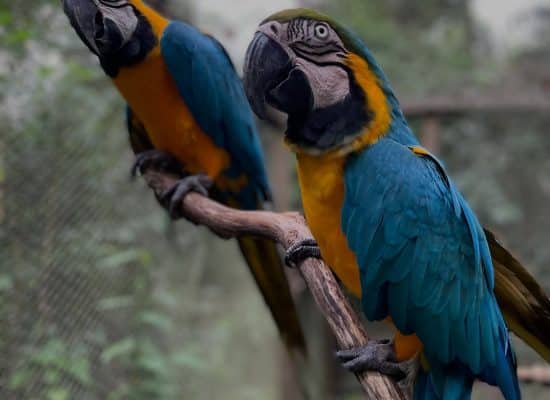
Different organizations design volunteer abroad wildlife programs in very different ways. Some exist only to mistreat animals and make money from them via tourism. These are some of the warning signals to be on the lookout for:
Unethical Practices like Rides, Selfies, and Entertainment Shows
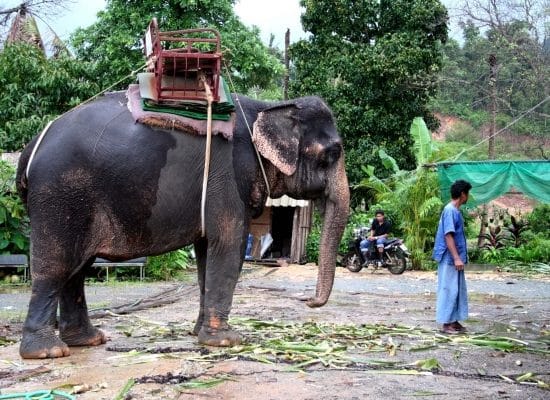
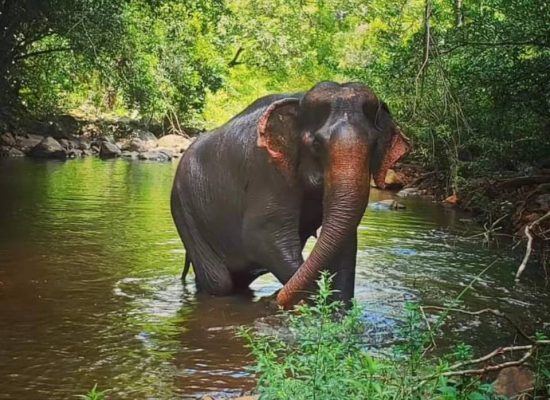
These activities put human amusement over animal conservation volunteering. Elephants used for rides usually undergo intense training. People breed and sometimes sedate big cats to make them docile for pictures. Marine mammals doing magic have mental stress and unusual living circumstances.
Warning Signs: Lack of Transparency or Profit-Driven Motives
Programs promising certain animal sightings or spectacular rescue tales can be misleading. They often rely on emotion, not evidence. Always be cautious before joining them.
Check Reviews, Accreditation, and Ethical Standards for Surety
Check reviews before deciding. Watch for repeated feedback about animal care, staff knowledge, and whether the activities match the promises.


Comparing Travel Volunteer Opportunities Around the World
Once you know the basics, it’s finally time to find some popular ethical volunteer projects abroad for you.
Ethical Volunteering in Southeast Asia
The area’s booming tourism has created a mix of true sanctuaries and exploitative setups.
Ethical volunteering in Southeast Asia focuses on protecting endangered animals. These include orangutans, gibbons, and sun bears. They focus on habitat protection alongside rescue and rehabilitation. Many work with governments to stop wildlife trafficking and support community conservation.
Wildlife and Rainforest Conservation Projects in Latin America
In Costa Rica, Ecuador, and Peru, programs help protect jaguars, sloths, sea turtles, and more.
Many Latin American programs are worth considering. The Wildlife Rescue project in Peru is one of the best programs for helping animals and nature. Volunteers often help with tree planting, wildlife corridors, and community wildlife education. They fix root problems, not the symptoms.
Community-Based Conservation Programs in Africa
Community support is key. Animal protection works best with locals involvement. In Africa, programs focus on keeping people and wild animals safe. Farmers learn ways to protect livestock while still saving predators. This keeps people and animals safe together.


How to Prepare for Your Volunteering Journey Abroad
Practical preparation guarantees that your volunteer abroad trip goes without incident. Follow these guidelines:
Visas, Vaccinations, and Insurance for International Volunteering
Get your visa in advance. Some countries need a volunteer visa and others let you volunteer on a tourist visa. Also keep your vaccination, insurance and other suggested documents ready!
Preparing Emotionally and Mentally for Volunteering Overseas
Ethical volunteering abroad can be an emotional experience. Expect to face injured animals, hard treatments, and limited supplies. Psychological conditioning trains you to be productive and resist feeling crushed.
How to Volunteer Abroad Responsibly and Respectfully
Responsible volunteering is acknowledging your own shortcomings and letting the locals make decisions. Talk less and listen more at least in the beginning. Pay attention to how local workers care for animals and connect with people. After you observe for a while, offer respectful ideas that could make things better.


Real Stories: Lessons from Ethical Volunteers
Many volunteers share that their best memories often come from simple, unexpected moments. But not from dramatic animal encounters. Ethical volunteering helps people understand how complex conservation is. They learn that protecting animals also means supporting people and their communities.
Personal Experiences from Volunteers Working with Animals Abroad
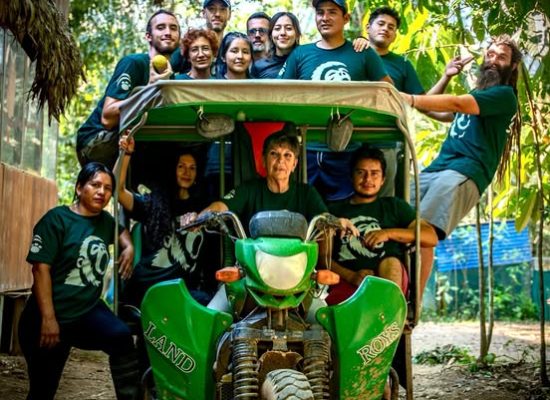
A dedicated volunteer Rossie, joined Globalteer’s Peru Amazon Conservation Project. Rossie learned a lot about cultural humility. It recognized that local communities often has sophisticated ecological knowledge developed over generations. She also learned a lot about wildlife conservation and how to survive in the forest. You can check out her complete story as - A Day in the Life of an Amazon Volunteer.


Where to Find Trusted Ethical Volunteering Opportunities Abroad
Globalteer is an example of ethical volunteering at scale. They choose their partner projects with care. Every cost is clear from the start, with no surprises later. Their main goal is to help animals and local communities, not to keep volunteers happy.
Their model starts with thorough pre-trip preparation. They set clear expectations and provide ongoing support for both volunteers and hosts. The program matches volunteers’ skills with real needs. They track results carefully, making sure the impact goes beyond volunteer satisfaction.

Confirming Mission Transparency, Sustainability, and Community Involvement
Find out about the group’s management, funding, and ties to the community as you move forward . Ask former volunteers for honest insight. If you can, visit in person, or ask for a virtual tour to see the animals’ care firsthand.
Wrapping It Up
Finding an ethical volunteering abroad opportunity takes more than signing up. You need to look deeper, think carefully, and focus on helping animals. Personal experiences should come second to their welfare.
The best projects have simple daily jobs, not much direct time with animals, and need a lot of patience. The animals and habitats you help deserve full commitment to programs. It truly makes a difference. Join thousands of volunteers abroad who are working to create real change!