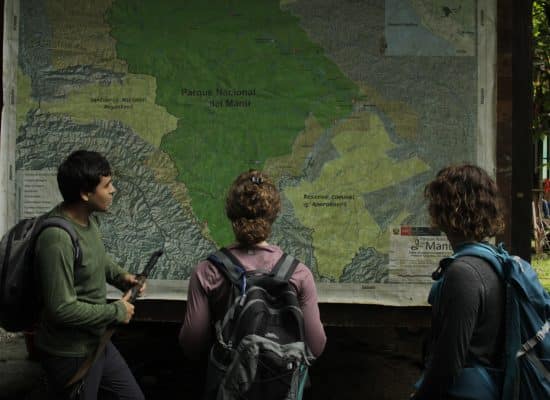
“Since I was a child, it was always my dream to go to the Amazon,”
gushed Andrew, a volunteer in the Manu Biosphere. His words echo the sentiment of many who fantasize about meandering under tree canopies teeming with biodiversity. After all, volunteering in the Amazon is a great opportunity to see animals that only exist in this region!
During our interview, Andrew explained, “Animals have always been my thing. When I was five years old I was given this child documentary about the Amazon—I used to watch it every weekend. That was my “When I grow up, I’m going to go to the Amazon, and now I’ve finally done it!”
Luckily, the dream of visiting the Amazon rainforest can be a reality for those who volunteer with Globalteer. This enriching experience goes beyond tourism by actively participating in meaningful conservation work.
Recently, I had the opportunity to spend four days in this rich region. This blog will cover some of my key takeaways and insights from staff and volunteers on what future volunteers can expect from this once-in-a-lifetime trip.
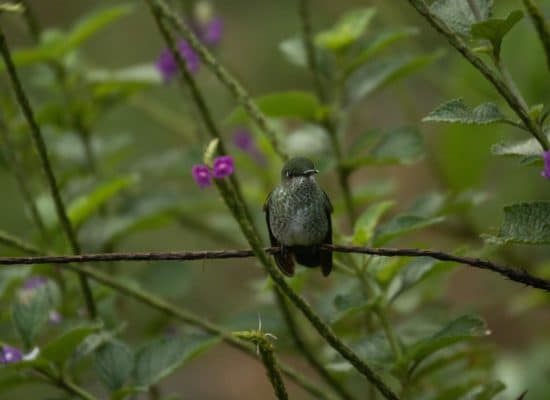
Biodiversity Galore:
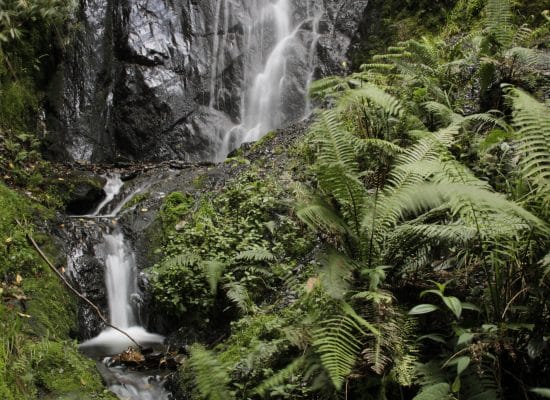
Manu Learning Center exists in a remote portion of Manu National Park. The center nestles in the low jungle along River Alto. The jungle is flourishing with biodiversity, and volunteers can see 1,000 different types of birds, 1,300 butterflies, 200 mammal species, 155 amphibians, and 132 types of reptiles. Additionally, the Biosphere protects the cultural heritage of Indigenous groups, such as the Harakmbut, Mashco Piro, Matsigenka, and Yine.
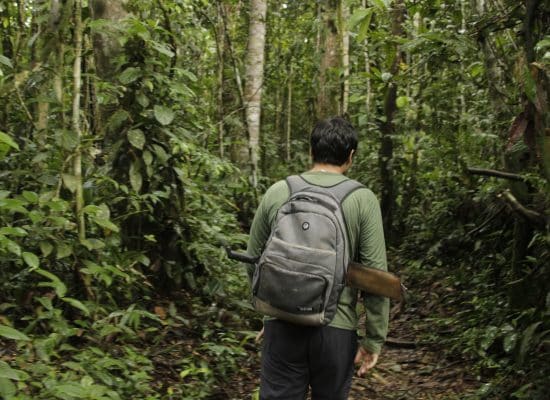
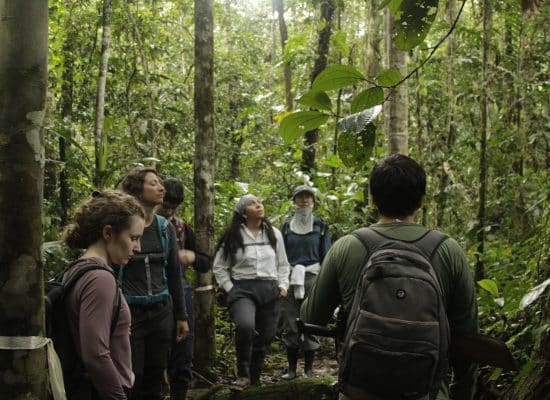
Amazingly, volunteers can expect to journey into the jungle daily (weather permitting). In the rainforest, volunteers will monitor birds, mammals, butterflies, amphibians, and reptiles in different stages of forest regeneration. Projects are also centered around biogarden research and sustainable community initiatives. The diversity of projects ensures the volunteer experience encompasses the interests of all participants.
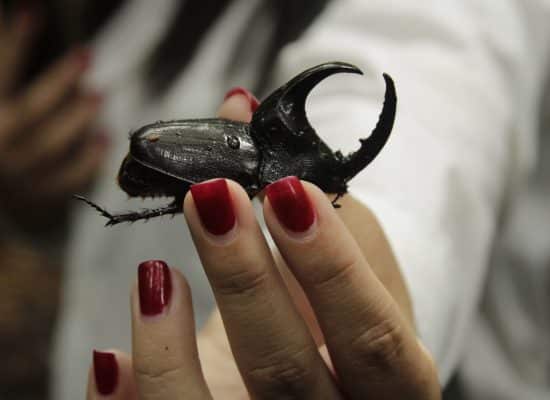
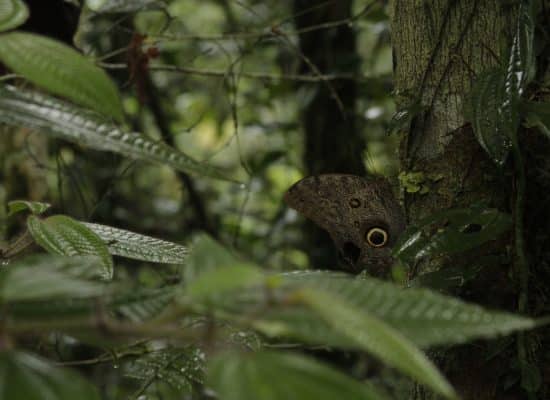
The Power of Regenerative Rainforests:
Manu Learning Center provides a unique opportunity to learn more about regenerative rainforests. Excitingly, this could be the future of conservation work. As 70% of rainforests are degraded, learning more about the biodiversity of places being regenerated from farmland is crucial. This research and regeneration could be the key to stopping biodiversity loss!
Carolina, the Experiential Coordinator, shared that a new species for science was discovered by the Manu Learning Center (MLC), emphasizing that the land used to be a farm. It’s incredible to see how regenerative forests are making a comeback! Recent research shows that 80-95% of species in primary forests are also found on MLC land. Carolina, who has been working in Manu for nearly three years, exclaimed, “Every day, I see something different!”
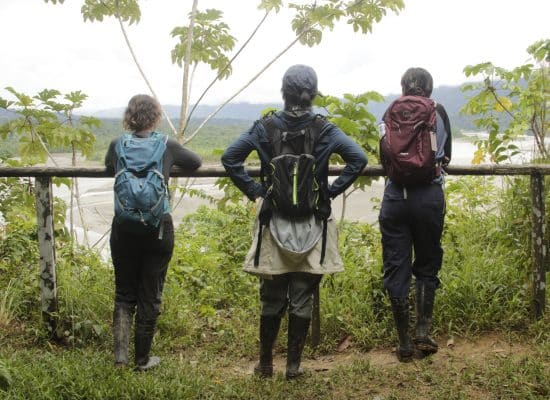
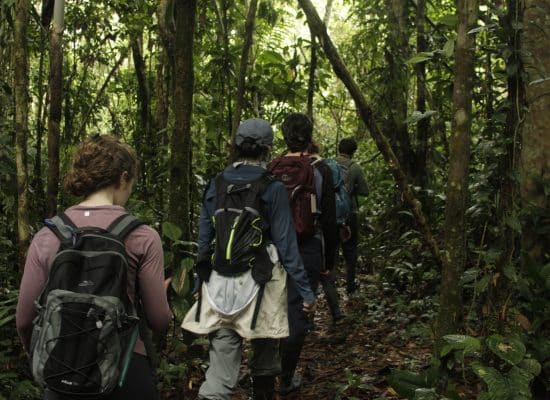
One project that volunteers were most excited about was planting trees around the wetlands. Andrew said, “We have been regenerating the wetlands here…We have planted 100s of trees here already! We really feel like we’ve done something that will have a long-lasting effect, and that feels quite rewarding.”
Additionally, planting native timber and fruiting tree saplings increases the chances of attracting more birds and monkeys to the rainforest. So, the benefits will soon be evident at the MLC!
Best Tips for Success:
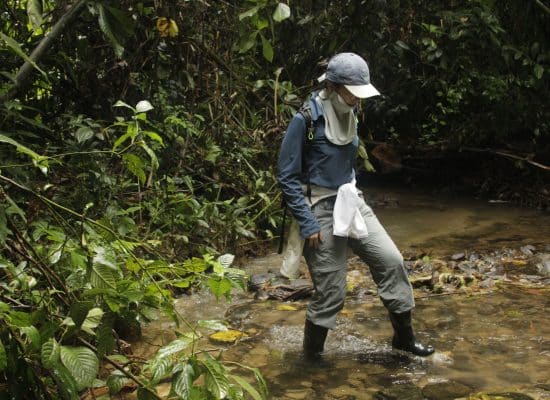
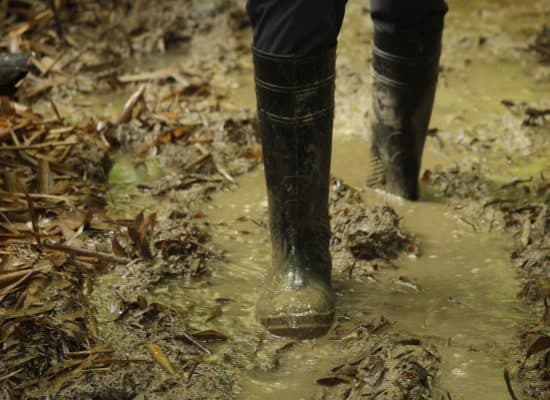
As my wellies squelched through the mud and insects buzzed around my head, I was infinitely grateful to be wearing clothes I didn’t care about. And wearing a copious amount of bug spray. Veteran volunteers suggest bringing a good headtorch, specifically a rechargeable one that isn’t battery-powered. Additionally, a versatile wardrobe is encouraged because the weather can be unpredictable in the jungle.
But most importantly, the best tip for volunteering in the Amazon is: “Come ready to have a good time.”
To experience the childhood dream of visiting the Amazon, book now on the link below.