
Well-managed elephant volunteer programs help both the animals and the community, while giving travelers a genuinely memorable experience. When conservation and community well-being go hand in hand, the impact is not just from one volunteer placement; it shapes the lives of wildlife and people for years to come. Let’s discuss.
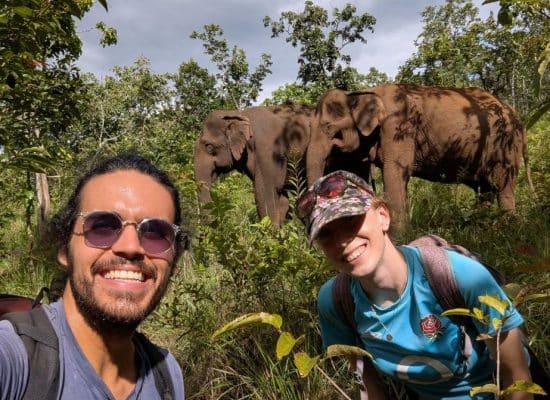
The Connection Between Elephant Conservation and Local Communities
Elephants don't exist in isolation from the people who share their land, and neither does their conservation.
Why Elephant Conservation Goes Beyond Protecting Wildlife
Elephants and local communities often depend on the same land and resources. Conservation that ignores the people living alongside elephants rarely lasts. True protection means coexistence, not competition, between people and elephants.
The Role of Communities in Long-Term Conservation Success
Local communities have the best knowledge of the land and the animals. Conservation becomes sustainable when they're included as partners, through employment, education, or shared decision-making.
How Volunteers Strengthen Conservation Efforts
Volunteers provide additional hands and energy to community-led work, from care-giving and local projects. They also carry the message home, spreading awareness of ethical elephant conservation long after their placement ends.
Any ethical elephant conservation project puts communities first, and that's what separates real conservation work from volunteering that's really just entertainment for tourists.
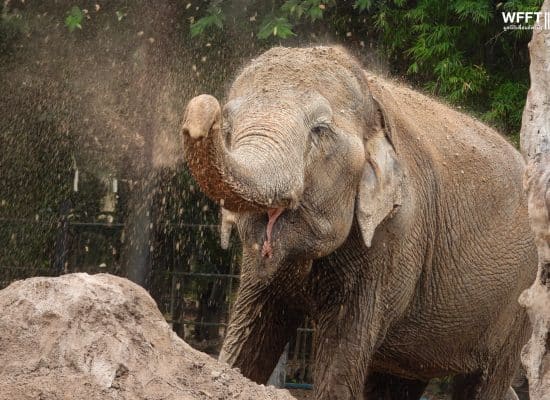
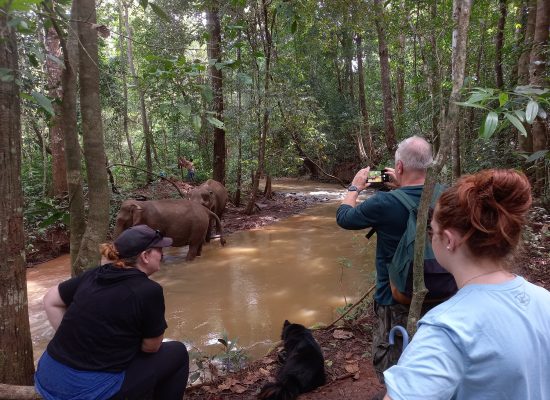
How Elephant Volunteer Programs Help Wildlife Thrive
Volunteers directly support elephant welfare through practical, day-to-day work.
| Area of Support | What It Involves |
| Rescued and retired elephants | Volunteers provide consistent care for elephants that can no longer forage or work for themselves. |
| Daily animal welfare | Feeding, health monitoring, and enrichment activities that improve quality of life |
| Habitat protection | Preserving natural habitats where elephants can roam and behave naturally |
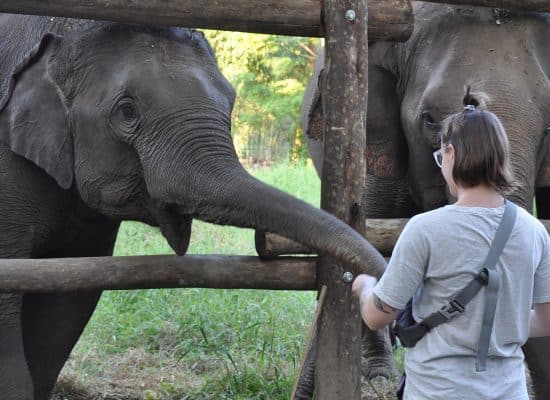

Why Daily Care Matters
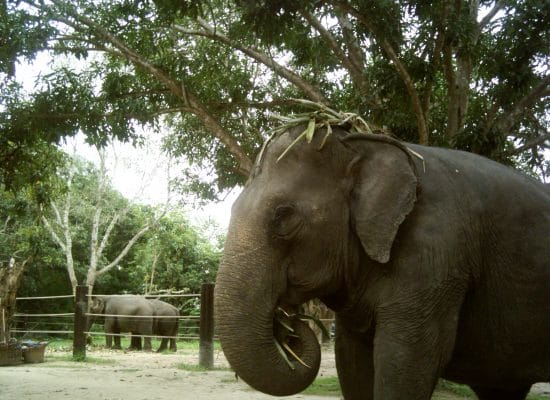
Elephants arriving at sanctuaries have often been deprived of proper care for years. Our elephant sanctuary volunteer opportunities offer sustained, patient care aimed at rebuilding trust and health. Consistency over time helps rescued elephants heal, both physically and behaviourally, something short-term visits could never achieve.
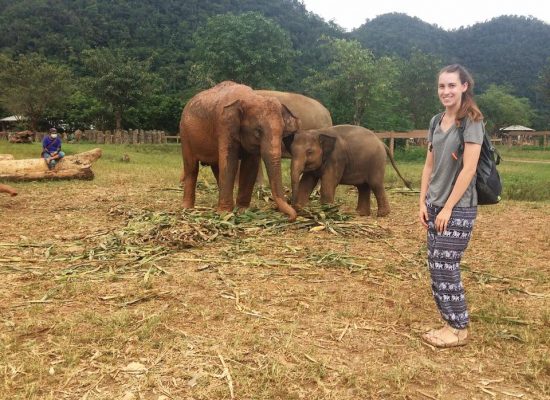

How to Empower Communities Through Conservation Tourism
Ethical conservation tourism is about more than protecting animals. It also creates a sustainable economic option for local communities, turning conservation into an ongoing opportunity rather than a one-time effort.
Creating Sustainable Employment
Local guides and caretakers gain access to stable, meaningful jobs that directly benefit conservation, rather than work that exploits them.
Supporting Local Businesses and Livelihoods
The presence of volunteers is sustained by accommodation providers, food suppliers,and local transport, extending the economic impact well beyond the sanctuary itself.
Encouraging Community Ownership
When volunteer animals abroad integrate directly into the local economy, communities have a real stake in conservation efforts that benefit them. That gives people a reason to stay invested in protecting wildlife for the long term.
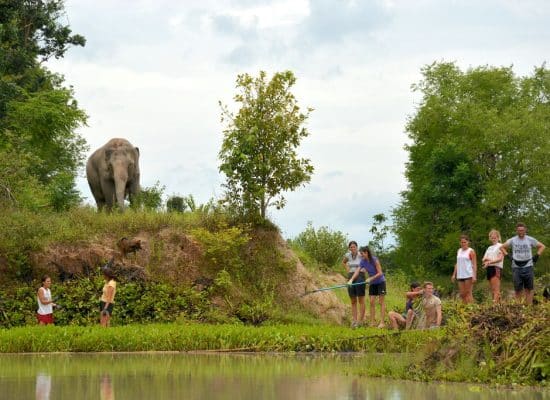
What Is the Role of Volunteers in Lasting Conservation Success
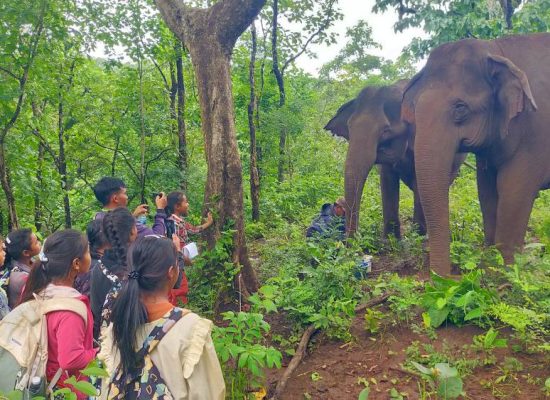
Volunteers aren't just extra hands; they're part of a bigger, ongoing effort.
- Providing support and help to established conservation teams with ongoing tasks and extended conservation activities
- Taking an active role in something meaningful, working things out rather than simply watching
- Carrying awareness of ethical elephant conservation home with them, long after their placement end

Choosing a Volunteer Program That Makes a Real Difference
Not all elephant volunteering programs are ethically sound, so it is important to research a program before you join.
Recognizing Ethical Opportunities
No riding, no forced performances, and a clear focus on animal welfare over entertainment are hallmarks of genuine elephant sanctuary volunteer opportunities.
Supporting Responsible Conservation Practices
Conservation programs do best when they work closely with local communities and conservation advisors, rather than operating in isolation.
Ensuring Your Contribution Has a Positive Impact
Seek out organizations that explain how your contribution is used. The same applies to animal volunteering abroad, and any program (such as a Peru animal shelter) has a duty to prioritize humane, appropriate treatment over convenience or cost.


Why Globalteer's Elephant Volunteer Programs Stand Out
Globalteer's approach to elephant conservation is built on a few core principles:
- Community-based and sustainable: Every project is grounded in the real needs of both the people and the wildlife who share the land.
- Practical experience: Volunteers don't stage children for photos—they help them as they engage in activities.
- Protecting elephants while benefiting communities: The dual focus ensures neither side of the equation is left behind.
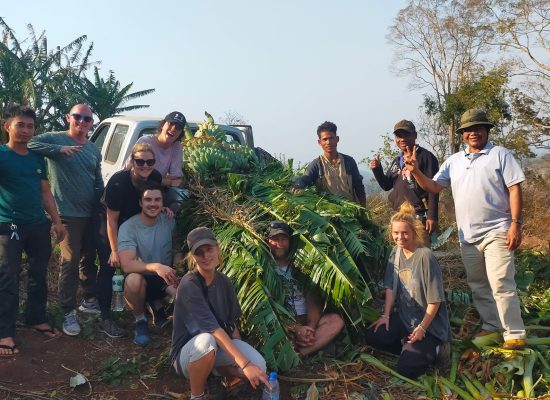
You can see this in action at the Cambodia elephant sanctuary, where conservation efforts prioritize both elephants and the surrounding community.

Conclusion
The most successful elephant volunteer programs show how conservation and community empowerment reinforce each other. By protecting elephants and strengthening local livelihoods together, we move closer to a future where humans and elephants can coexist.