
Interested in becoming an Amazon rainforest conservation volunteer? It is not necessary to be a biologist or have many years of experience to take the first steps. What you do need is curiosity, persistence, and a genuine desire to learn. Here's what skills actually matter, what you'll learn on the job, and how a beginner can make a real difference in one of the most important environments on Earth.
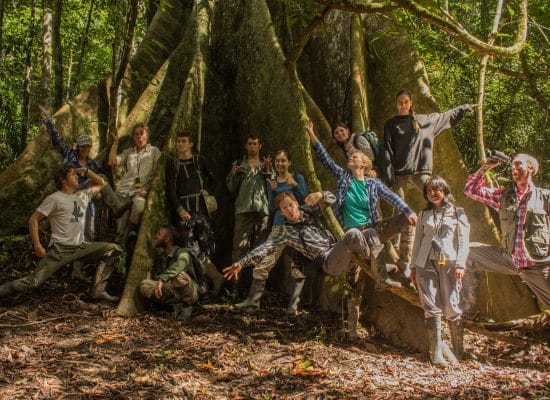
Why Amazon Rainforest Conservation Volunteers Matter
The Amazon is one of the most biodiverse places on Earth, and safeguarding it takes real, hands-on volunteer work.
The Importance of Protecting the Amazon's Biodiversity
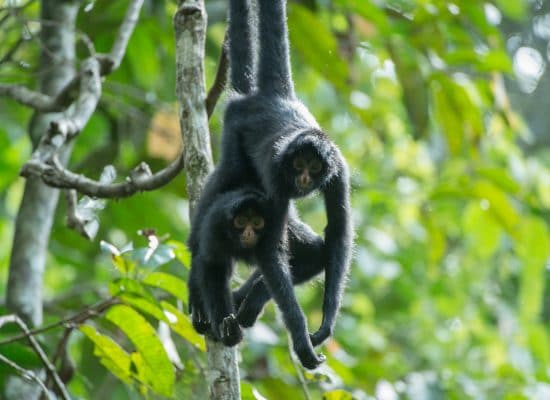
Countless species are found only in the Amazon, many still undiscovered. Protecting this biodiversity helps sustain whole ecosystems that support life and regulate climate well beyond the rainforest's borders.
Tackling Deforestation and Habitat Loss
Deforestation destroys natural habitat and drives species toward extinction. Planting, restoration, and site monitoring all help slow that loss and give ecosystems the chance to recover.
Supporting Long-Term Conservation Efforts
Lasting change takes a long-term strategy. Volunteers support ongoing projects like wildlife monitoring and community-based initiatives that keep the rainforest protected for years to come.
Good intentions alone aren't enough. It takes dedicated conservation volunteering programs to turn that motivation into real impact. Every Amazon rainforest volunteer who joins these efforts adds real capacity to small, local teams working on the ground.


Key Skills You Need to Be an Amazon Rainforest Conservation Volunteer
Wildlife expertise isn't mandatory, but a handful of attributes are definitely helpful out in the field.
| Skill | Why It Matters |
| Passion for wildlife and conservation | Keeps you motivated during repetitive or physically demanding work |
| Adaptability and physical fitness | Rainforest terrain, heat, and humidity require stamina and flexibility |
| Teamwork and communication | Most conservation work happens in small, localized teams |
| Willingness to learn | Techniques and protocols vary by project and species |

Skills You'll Gain While Volunteering
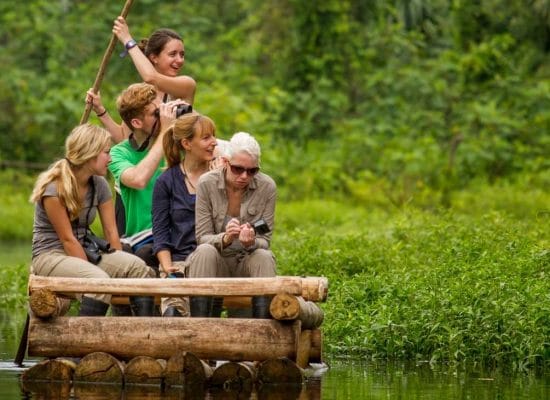
Most placements with Amazon rainforest volunteers are more about learning by doing, and the skills you build translate well beyond the field:
Wildlife Monitoring and Data Collection
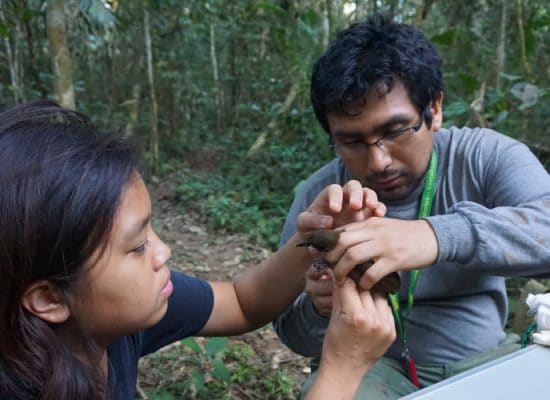
You'll learn how to document animal movement, record sightings, and gather behavioral data, the same methods real conservation scientists use. It's hands-on experience with the strategies behind long-term wildlife protection.
Habitat Restoration and Conservation Techniques
Whether you're replanting native species or working on erosion control, you'll learn targeted techniques that help rainforest ecosystems regenerate.
Leadership and Problem-Solving
Things do not always go as planned in the field. Adapting to changing weather and other unpredictable conditions builds a kind of flexible leadership you can't learn in a classroom.
Cross-Cultural Communication
Working alongside the local community builds cross-cultural communication skills that carry real benefits well beyond the rainforest, in any future travel or work abroad.
Do You Need Previous Experience?
Short answer: no. Most reputable volunteer travel programs are designed for people with no prior conservation experience.
Enthusiasm matters more than expertise on these projects. Coordinators would rather work with someone eager to learn than someone technically skilled but disengaged. On-site training covers everything from safety to species care, and you'll learn directly from conservationists who've worked in the area for years, sometimes decades.
If you've ever thought about wildlife volunteer abroad opportunities but thought you were "not qualified enough," you probably are.
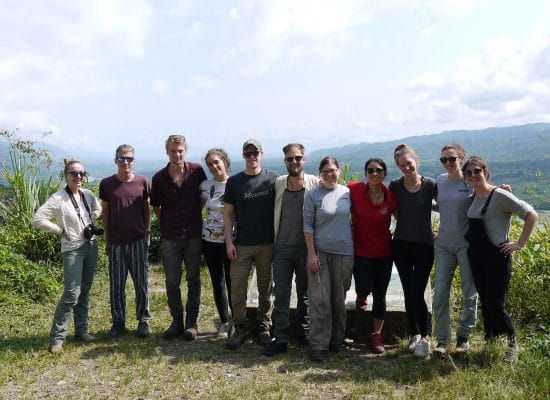
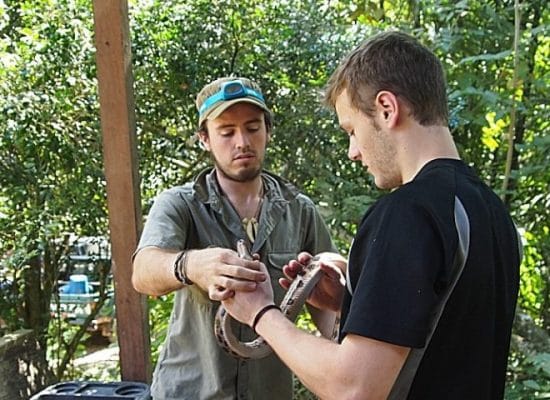
How Your Skills Make a Real Impact
From logging animal sightings to clearing invasive species, every task is part of a bigger picture. Your work feeds directly into ongoing research and habitat protection led by the Peru Amazon Conservation Project. Here's how one wildlife volunteer abroad placement can have a lasting impacts:
Supporting Wildlife Conservation Projects
Your daily work, from monitoring animals to rehabilitating them, helps ensure the ongoing care of species that call the Amazon home.
Helping Protect Rainforest Ecosystems
Your work helps restore and regenerate the habitats and natural systems that people and wildlife alike depend on to survive.
Contributing to Sustainable Conservation Efforts
These programs are built on real, local partnerships, which means your impact doesn't end with your placement. It continues through the community and the project's local staff.
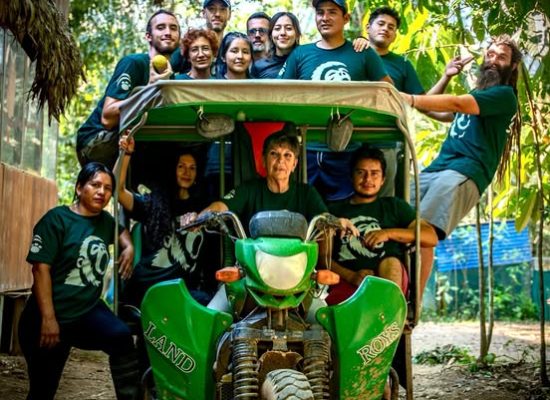
Why Volunteer with Globalteer?
Not every conservation program is the same, and it's worth knowing the difference between the ethical ones and the ones that aren't.
- Ethical, community-based conservation project:Built around what the local community and ecology actually need, not what looks good in a brochure
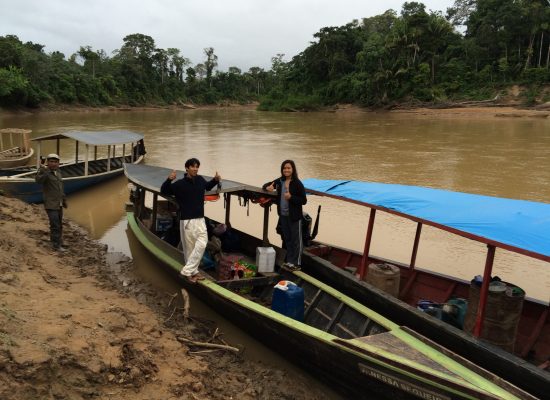
- Hands-on experience in the Peruvian Amazon: You're in the field, not observing from a distance
- Opportunity to support rainforest conservation:Each placement is designed to make a genuine and lasting contribution to rainforest conservation
Globalteer applies this same community-based, ethical approach across its work worldwide, including volunteer work in Cambodia, where projects are focused on community development and conservation.

Conclusion
Becoming an Amazon rainforest conservation volunteer doesn't require a specific set of skills, just a willingness to learn. From tracking wildlife to restoring habitat, working alongside conservation experts, your contribution matters more than you might expect.
Explore Globalteer's Amazon Rainforest Conservation Volunteer Program
No college degree or years of experience required, just curiosity and a genuine desire to connect with a different place and culture. Every task, from wildlife monitoring to habitat restoration, adds real, lasting value to ongoing conservation work. By joining a Globalteer program, you become part of a community-based effort to protect the Peruvian Amazon.