
Volunteer in the Amazon Rainforest in Manu, Peru
Wake to macaws at the clay lick and spend your days helping project staff study and protect one of the most biodiverse places on Earth. Check camera traps, survey birds and amphibians, and help regenerate the forest in the Manu Biosphere Reserve. Stays from 15 to 88 nights, booked through Globalteer, a UK charity.

20+
Years in Peru

15–88
Nights

4.9 ★
Google & Facebook

UK & Peru
Registered charity

What Does an Amazon Conservation Volunteer Do in Peru?
You'll live at a research centre on the edge of Manu National Park, in one of the most biodiverse places on Earth, about two days' journey by road and river from Cusco. Working alongside the project staff, you'll help monitor wildlife – from macaws and monkeys to jaguars, tapirs and frogs – and restore forest that was once logged or farmed. You'll work 6 to 8 hours a day, 6 days a week, with Sundays off.
Wildlife research + Forest restoration + Jungle living
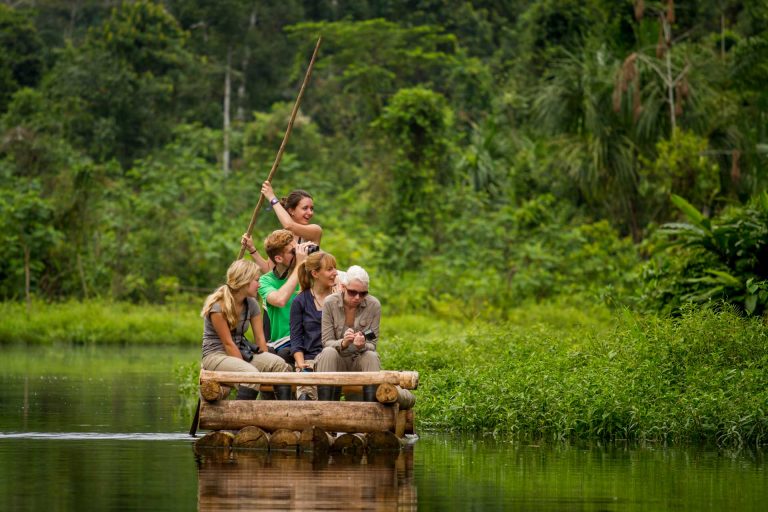
The research gives your stay its purpose. Life in the rainforest gives it its character. You'll share meals with volunteers from around the world, learn from the researchers and local staff who work there every day, and fall asleep to the sounds of the jungle. On Sundays, swim in the river, play games around a campfire or simply relax.

Check camera traps, survey birds, butterflies and mammals, and join night walks to record frogs, guided by the project staff.
Help plant and care for trees, work in the biogarden and support agroforestry that gives local families a sustainable income.
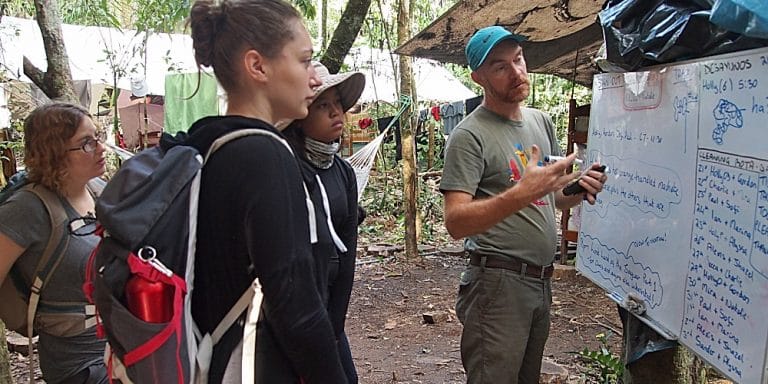
Live and work with a small group of volunteers and the project staff, sharing meals, talks and stories.
Spend Sundays swimming, at a campfire or relaxing, and explore Cusco, the Sacred Valley and Machu Picchu before or after.
- Visiting the clay lick at dawn to monitor macaws and parrots
- Trekking forest trails to check camera traps
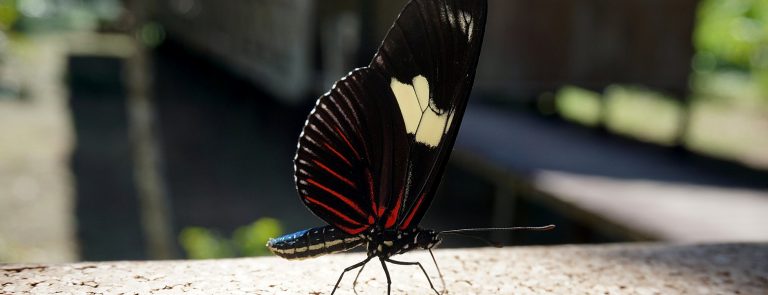
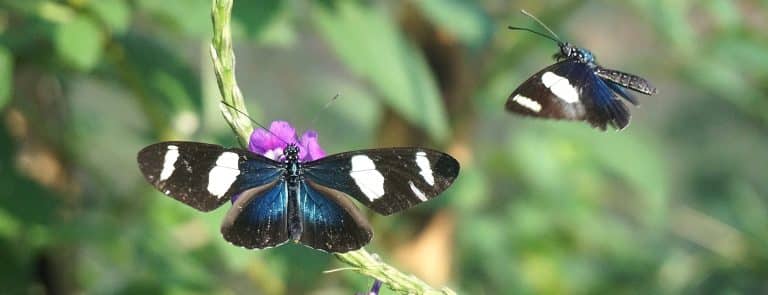
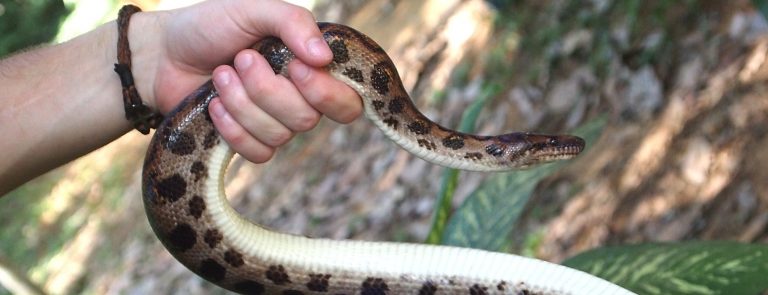
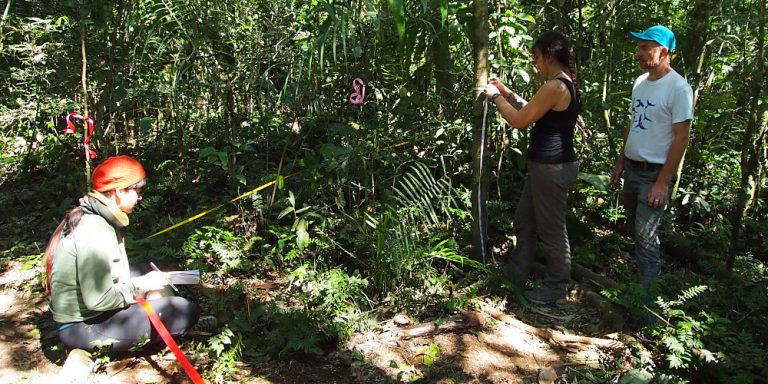
- Surveying birds, butterflies, mammals and reptiles
- Night walks to record frogs and other amphibians
- Planting trees and helping the forest regenerate
- Working in the biogarden and on agroforestry plots
- Recording and entering data for the research team
- Helping with environmental education and community projects
Is This Programme Right for You?
This Amazon conservation project is the right fit for you if:
- You care about wildlife, want hands-on work that helps protect the rainforest, and are comfortable around insects, snakes and spiders
- You'd like to live deep in the rainforest, with simple facilities, limited internet and wildlife all around you
- You're fit enough for long walks on muddy trails, early starts and some late nights in hot, humid weather
- You're new to conservation – no science background is needed, and the staff train you from day one
- You're a student looking for fieldwork experience, or simply curious about how rainforest research works
- You'd rather book with a registered charity than a commercial company, with clear prices and no registration fees
Not sure it's right for you? Send us a message and we'll help you decide.
Impact & Ethics
Responsible Conservation Volunteering
The project is run by its own experienced team of researchers and local staff, who study and protect the rainforest in and around the Manu Biosphere Reserve. Volunteers support their work with wildlife monitoring, forest restoration and community projects. Your role is to help the staff, follow their guidance and strengthen the work that's already there.
Why the Amazon Needs Help
Logging, mining, hunting and farming threaten large areas of the Amazon. The project studies how wildlife returns to forest that has been disturbed, replants degraded land and helps local families earn a living from the forest without cutting it down. The data volunteers help collect is used to guide conservation in the region.

Book With a Charity You Can Trust
Globalteer is a UK registered charity that has placed volunteers in Peru since 2006. We match you with the project, handle your booking and preparation, and stay on hand throughout your stay. Once you arrive, the project staff look after you day to day, and our team in Cusco is only a message away.
A Charity, Not a Company
We're a registered UK & Peruvian charity, not a commercial company, so there are no shareholders to pay. Your fee covers your stay and includes a donation to the project, and we publish independently examined accounts every year.
Happy Volunteers, Greater Impact
In our 20 years of experience, we've learned that a well-prepared volunteer makes the biggest difference. We help you prepare before you travel, and the project staff train and support you from the day you arrive, so you can settle in quickly and give your best to the research.
Wildlife and Forest First
Research follows careful guidelines so wildlife is disturbed as little as possible. You'll follow the project staff's guidance on surveys, trails and camera traps, and help leave the forest healthier than you found it.
Gallery
Life on the Amazon Conservation Project in Photos
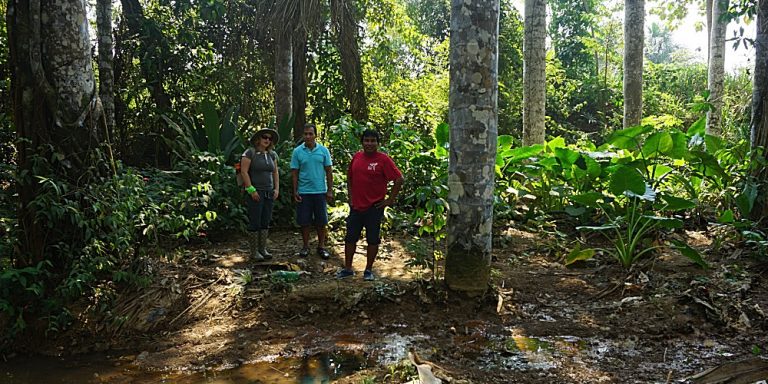
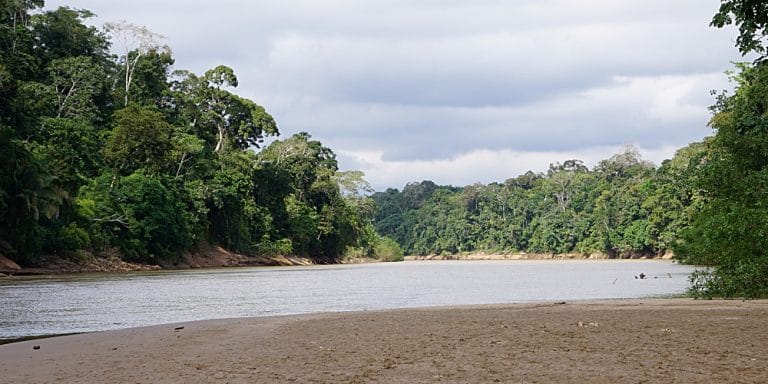
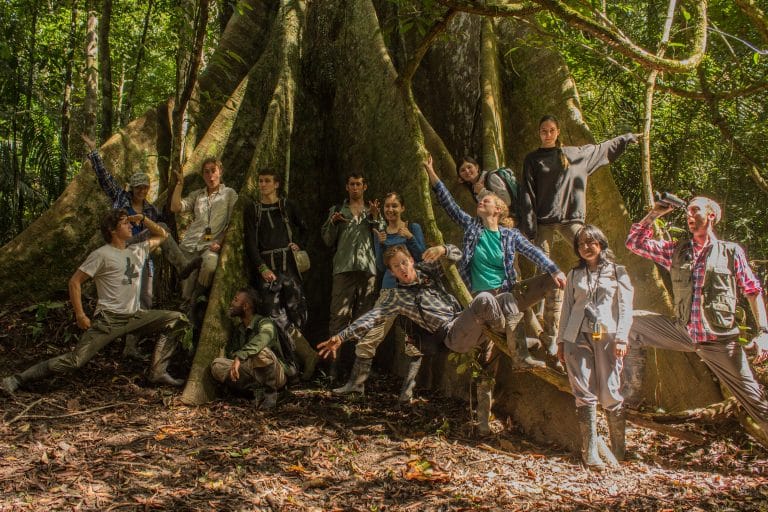
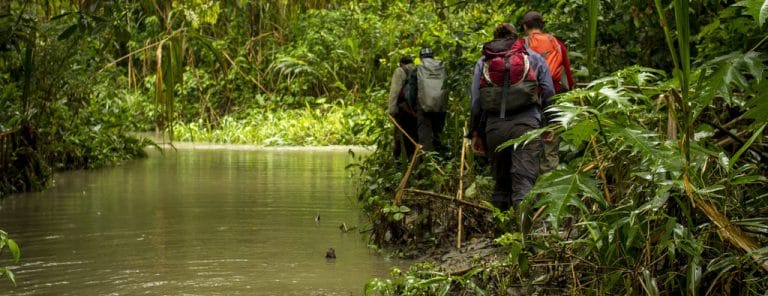
Life in the Rainforest
Life on the Project
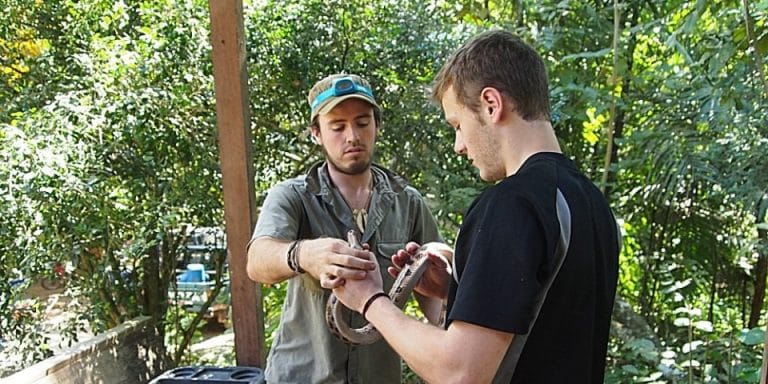
Days start early and follow the rhythm of the forest. Between surveys and restoration work, you'll share meals, swap stories and learn how the rainforest works – and on Sundays, there's time to swim, rest and enjoy the jungle.
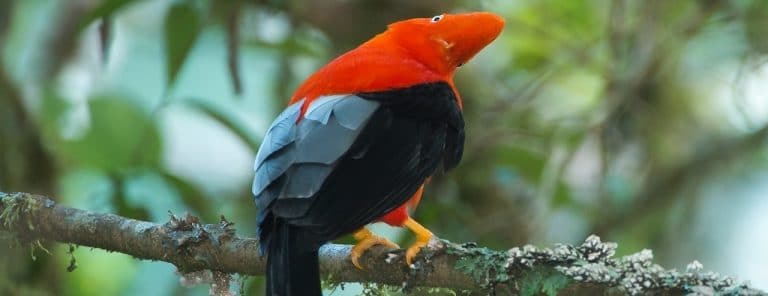
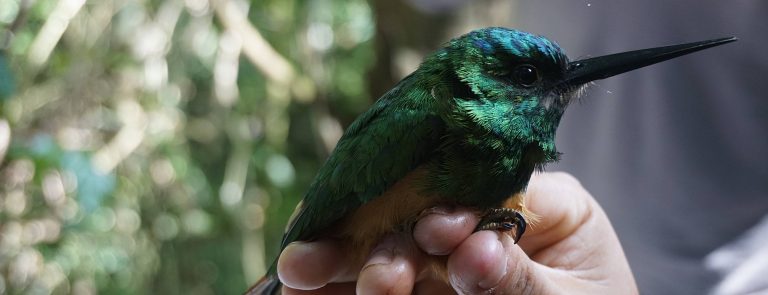
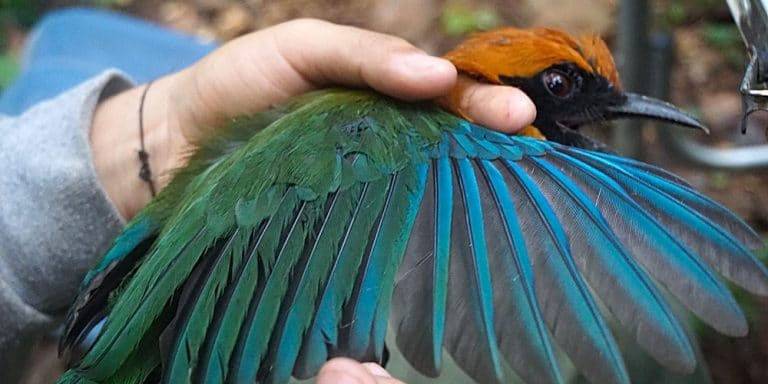
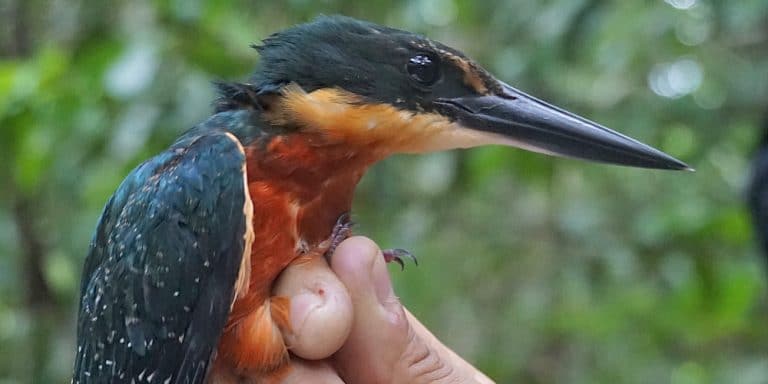
From the cock-of-the-rock in the cloud forest on the way in to macaws at the clay lick at dawn, Manu is one of the best places on Earth for birds.
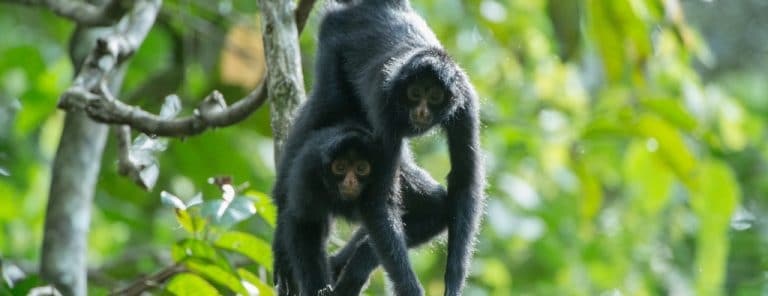
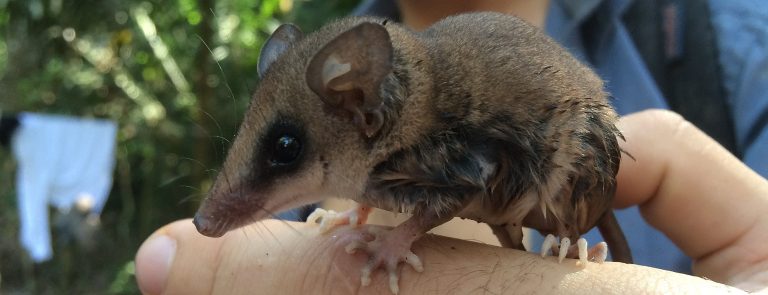
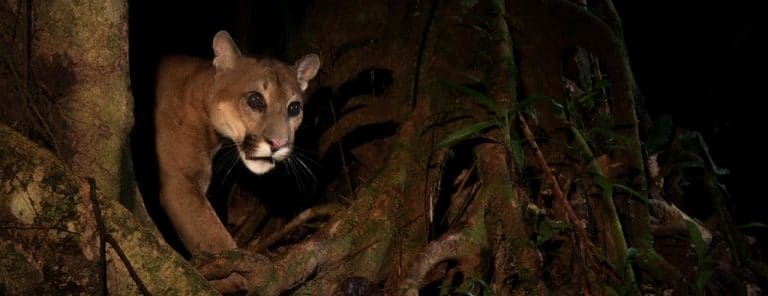
Monkeys, tapirs, caimans, river otters and big cats all live here – each survey adds to what's known about them.
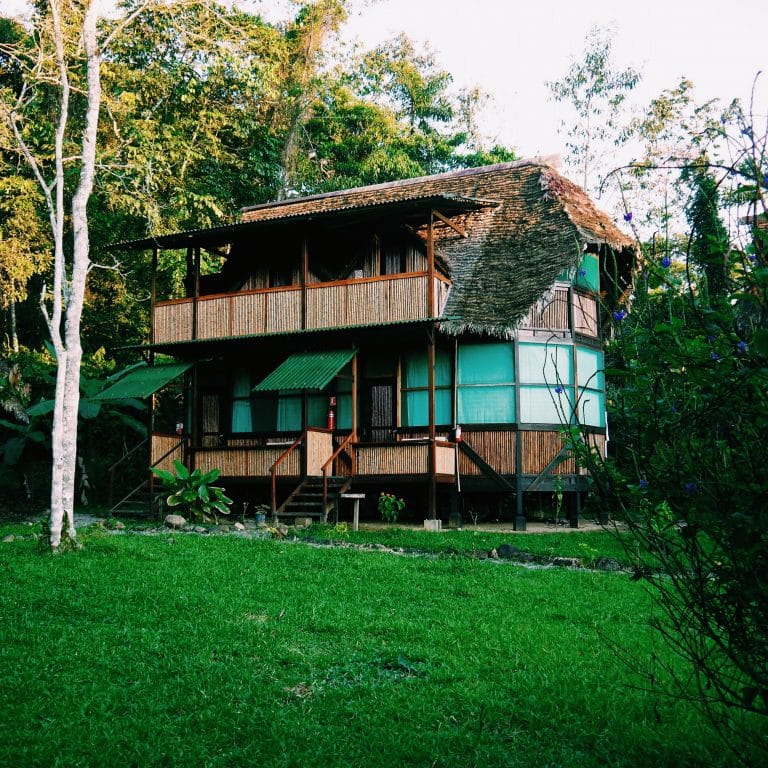
Twin or triple rooms at the research centre, with mosquito nets, hot showers and the sounds of the forest all around.
Trek the trails to check camera traps and find out which animals passed by while everyone was asleep.
Plant trees, tend the biogarden and help bring logged and farmed land back to life.
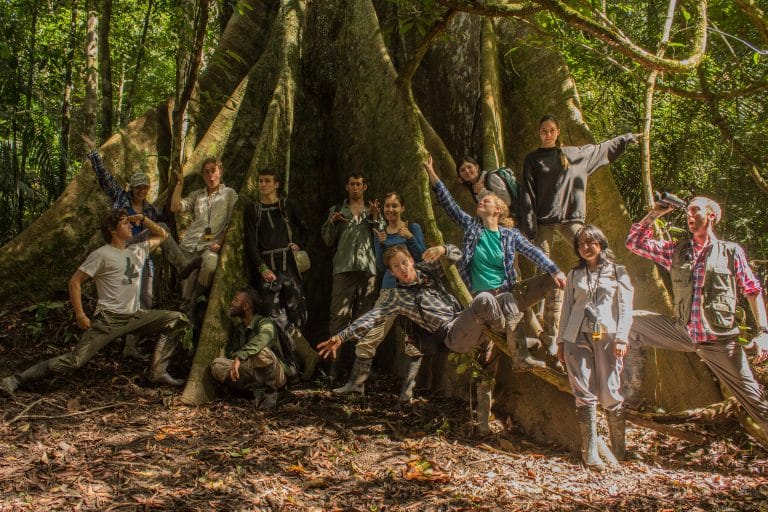
Work alongside experienced researchers, local staff and fellow volunteers from around the world, sharing the work, meals and stories.
- Conservation work6 to 8 hours a day, 6 days a week, with early starts, a midday rest and some evening surveys.
- Three meals a dayLocal food cooked at the research centre, and you'll help the cooks now and then. Special diets catered for.
- Training and talksLearn species identification, GPS and data recording, with regular talks from the staff.
- Evenings togetherGames, campfires and talks with the staff and other volunteers. Wi-Fi is limited to 7pm–9pm.
- River swimsCool off in the river near the research centre.
- Campfires and gamesRelax with the other volunteers after a busy week.
- Rest and rechargeCatch up on sleep, read or write home.
- Before or afterVisit Machu Picchu, the Sacred Valley or Lake Titicaca from Cusco.
Before or After
Make the Most of Your Time in Peru
Your project starts and ends in Cusco, so it's easy to add Machu Picchu, Lake Titicaca or another of our projects before or after your time in Manu. These trips aren't part of your programme fee – just tell us what interests you when you apply and we'll help you plan.
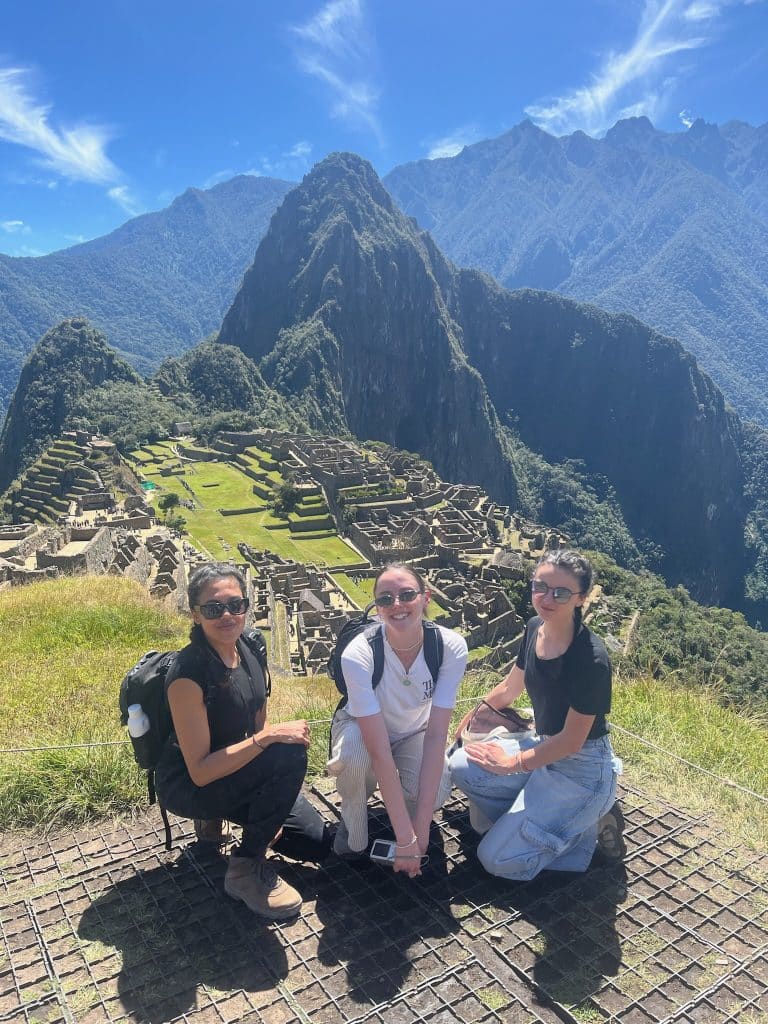
Wonder of the World
Machu Picchu
Explore the iconic Inca citadel on a day trip by train or a multi-day trek from Cusco.
Add a Project
Volunteer in Cusco
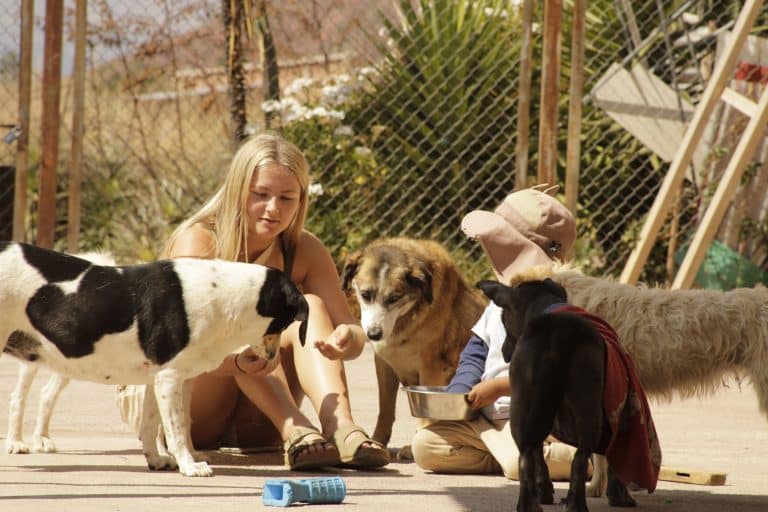
Help on our Children's Project or Dog Rescue in Cusco, before or after your time in the Amazon.
Floating Islands
Lake Titicaca
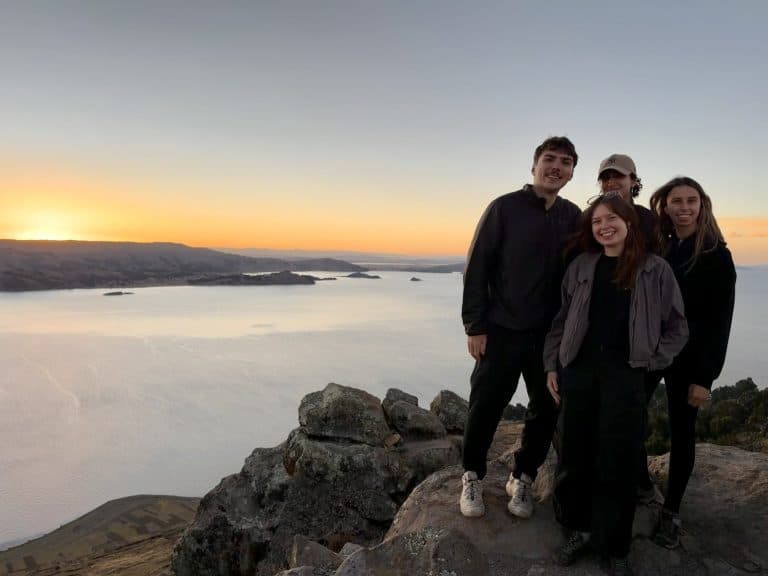
Visit the Uros floating reed islands on the world's highest navigable lake – an overnight trip from Cusco.
Choose Your Duration
The Longer You Stay, the More You'll Learn
Choose a stay of 15, 32, 43, 60, 71 or 88 nights, with one start date each month. In your first weeks you'll learn the survey methods and get to know the forest. Stay longer and you'll take on more responsibility and see the results of your work.
15 NIGHTS
Perfect Introduction
A taste of rainforest research. You’ll learn the methods, join the main surveys and see the forest from the clay lick to the canopy.
32 NIGHTS
Best Balance
Time to settle in. You’ll know the trails, recognise birds by their calls and take on more of the survey work.
60 NIGHTS
Deep Immersion
Become a trusted part of the team, help with longer-term projects and see the forest change from week to week.
88 NIGHTS
Fieldwork Experience
Ideal for students and future conservationists – build real fieldwork skills and experience for your CV.
Volunteer Schedule
What Does a Typical Day Look Like?
You'll work 6 days a week, with Sundays off. Days start before dawn and activities rotate, so you'll try a bit of everything. This is a sample day – the work changes with the research programme and the season.
- 5.30amClay lick
A pre-dawn survey at the clay lick, counting macaws, parrots and parakeets.
- 7amBreakfast and briefing
Breakfast together, then the plan for the day.
- 8amMorning survey
A rotating morning module – frog and reptile surveys, butterfly walks or biogarden research.
- 11amCommunity projects
Helping to build a biogarden with a nearby community.
- 1pmLunch and a rest
Lunch together, then a rest in the heat of the day.
- 2pmData and discussion
Enter the day's data and talk through the findings as a group.
- 4.30pmAfternoon survey
Check camera traps or monitor the forest restoration plots.
- 6pmDinner
Dinner with the staff and other volunteers.
- 7.30pmNight walk (optional)
Head out with head torches to look for nocturnal mammals, frogs and insects.
- 9pmWrap-up
Talk about the day and plan for tomorrow.
Where Will Amazon Conservation Volunteers Stay?
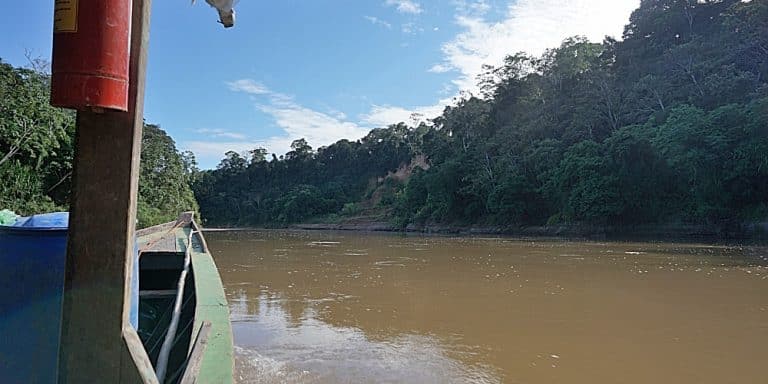
You'll live at a research centre in the rainforest, reached by road and boat from Cusco. Rooms are simple and shared, meals are cooked for you, the project staff are always close by, and our team in Cusco is on hand throughout.
Included
Research Centre Rooms
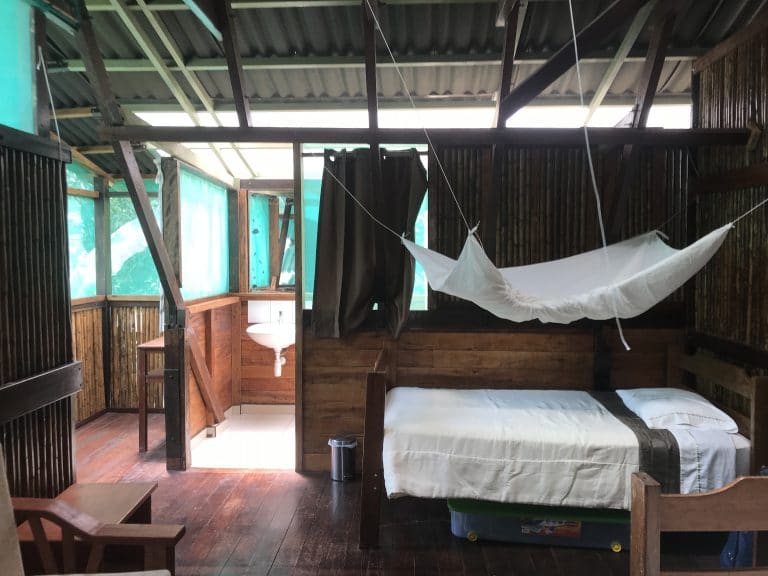
Simple rooms at the research centre, deep in the rainforest.
- Simple, breezy rooms shared with up to three other volunteers
- Mosquito net and fresh bedding provided weekly, plus a storage box
- Hot showers – sometimes cold in hot weather
- Limited solar-powered electricity
- Wi-Fi from 7pm to 9pm only, and the weather can affect it
- Basic laundry facilities
- Please bring biodegradable toiletries if you can
- Share the centre with local and international students, researchers and other volunteers
Included
Meals
Three meals a day, cooked at the research centre.
- Breakfast, lunch and dinner every day
- Local dishes – rice, beans, eggs, vegetables, soups and some meat
- Special diets and allergies catered for – tell us before you travel
- Help the cooks and learn some Peruvian recipes
- Extra snacks and drinks at your own cost
Included
Airport Pickup & Support
You're met at Cusco airport and spend your first two days in Cusco before travelling to Manu.
- Airport pickup in Cusco
- Two days of orientation and a Cusco city tour
- Road and boat transfers to the project and back to Cusco
- A night at a cloud forest lodge on the way in – look out for the cock-of-the-rock
- The project staff on site every day
- Our team in Cusco on hand throughout
Cost to volunteer in Peru
One Price. Everything Taken Care Of.
No surprise costs once you arrive. Your fee covers airport pickup in Cusco, orientation, transfers to Manu and back, accommodation at the research centre, three meals a day, training from the project staff and a donation to the project. Because we're a charity, there are no registration fees. Flights, insurance and optional trips are the main extras.
- Flights to Cusco
- Visas (if needed)
- Vaccinations
- Travel insurance (highly recommended)
- Extra snacks and drinks
- Personal spending money
Hear From Our Volunteers
Real reviews from Globalteer volunteers in Peru, from Google and Facebook.
- The staff working there dedicated but also good fun. What an amazing experience! We spent a week with this incredible sanctuary in August 2018. The passion for the animals in the care of this rescue sanctuary is genuine and heartfelt. The staff working there dedicated but also good fun. Loved the interactions with the monkeys, deer, and birds and building the monkey house for the howlers, I hope they enjoy it for many years to come. I strongly recommend anyone who is visiting Peru and wants to genuinely help wild animals to be returned back to their natural habitat to spend time here.read moreread less
 Tony Moriarty×Tony MoriartyThe staff working there dedicated but also good fun. What an amazing experience! We spent a week with this incredible sanctuary in August 2018. The passion for the animals in the care of this rescue sanctuary is genuine and heartfelt. The staff working there dedicated but also good fun. Loved the interactions with the monkeys, deer, and birds and building the monkey house for the howlers, I hope they enjoy it for many years to come. I strongly recommend anyone who is visiting Peru and wants to genuinely help wild animals to be returned back to their natural habitat to spend time here.It was organised so well and I felt so comfortable throughout the whole process. Late last year I was able to spend a month in Peru to volunteer at two of the Globalteer programs- The Dog Shelter in Cusco and The Amazon Wildlife Sanctuary in Puerto Maldonado. It was organised so well and I felt so comfortable throughout the whole process. I was picked up from the airport and the staff made me feel so welcome and at home. Being a young girl in a country like Peru, my family and friends were quite worried at first, as was I, however, I felt safe the entire time. I didn't have to worry one bit about the organisation of both volunteer groups, even though they were on the opposite sides of the country, it was an easy process with the staff being so quick and prompt in replies and helpful when I arrived in Cusco. I genuinely had an incredible time with so many life lessons and learning experiences taught throughout the trip. Would definitely recommend even if this is your first time overseas alone - as it was mine.read moreread less Tiarne Biviano×Tiarne BivianoIt was organised so well and I felt so comfortable throughout the whole process. Late last year I was able to spend a month in Peru to volunteer at two of the Globalteer programs- The Dog Shelter in Cusco and The Amazon Wildlife Sanctuary in Puerto Maldonado. It was organised so well and I felt so comfortable throughout the whole process. I was picked up from the airport and the staff made me feel so welcome and at home. Being a young girl in a country like Peru, my family and friends were quite worried at first, as was I, however, I felt safe the entire time. I didn't have to worry one bit about the organisation of both volunteer groups, even though they were on the opposite sides of the country, it was an easy process with the staff being so quick and prompt in replies and helpful when I arrived in Cusco. I genuinely had an incredible time with so many life lessons and learning experiences taught throughout the trip. Would definitely recommend even if this is your first time overseas alone - as it was mine.Accommodation was perfectly chosen and I made friends for life during my month working there. Perfect mix of authenticity and safety. Stayed with the best children and teachers and always felt so welcome. EVeryone also so patiently taught me Spanishread moreread less Crystal Moniz×Crystal MonizAccommodation was perfectly chosen and I made friends for life during my month working there. Perfect mix of authenticity and safety. Stayed with the best children and teachers and always felt so welcome. EVeryone also so patiently taught me Spanish
 - Globalteer were there every step of the way to help facilitate everything. Such a rewarding experience. Candice and Globalteer were there every step of the way to help facilitate everything. Spent 2 weeks at a dog rescue in Cusco, Peru. I highly recommend them!read moreread less Peter DiFrancesca×Peter DiFrancescaGlobalteer were there every step of the way to help facilitate everything. Such a rewarding experience. Candice and Globalteer were there every step of the way to help facilitate everything. Spent 2 weeks at a dog rescue in Cusco, Peru. I highly recommend them!Anyone wanting to volunteer I would 100 percent recommend Globalteer!!!! I had the pleasure of volunteering with Globalteer at Picaflor House. From the Moment I arrived I was collected by staff and shown around Cusco. I also got to enjoy the weekly quiz nights with staff from globalteer. The staff went out of there way to make me feel welcome. I had an amazing time at picaflor house. The children were beautiful. Anyone wanting to volunteer I would 100 percent recommend globalteer!!!!read moreread less Katrina Baxter×Katrina BaxterAnyone wanting to volunteer I would 100 percent recommend Globalteer!!!! I had the pleasure of volunteering with Globalteer at Picaflor House. From the Moment I arrived I was collected by staff and shown around Cusco. I also got to enjoy the weekly quiz nights with staff from globalteer. The staff went out of there way to make me feel welcome. I had an amazing time at picaflor house. The children were beautiful. Anyone wanting to volunteer I would 100 percent recommend globalteer!!!!Everything was well organised from day one and any special requirements were met with ease. Volunteering with Globalteer at Picaflor House was an incredible experience - everything was well organised from day one and any special requirements were met with ease. I can fully recommend volunteering with them to anyone who wishes to spend their time and energy on a worthwhile charity project!read moreread less Hannah Verity Stone×Hannah Verity StoneEverything was well organised from day one and any special requirements were met with ease. Volunteering with Globalteer at Picaflor House was an incredible experience - everything was well organised from day one and any special requirements were met with ease. I can fully recommend volunteering with them to anyone who wishes to spend their time and energy on a worthwhile charity project!
- I had an amazing time and look forward to volunteering with Globalteer again in the future! I volunteered with the Peru Community Project out of Cuzco for 5 weeks. I was so impressed with the amazing work they are doing at Picaflor and how well the kids and the community responded to the project. Furthermore, I was grateful for how helpful and welcoming the staff was. I had an amazing time and look forward to volunteering with Globalteer again in the future!read moreread less Lauren Franklin×Lauren FranklinI had an amazing time and look forward to volunteering with Globalteer again in the future! I volunteered with the Peru Community Project out of Cuzco for 5 weeks. I was so impressed with the amazing work they are doing at Picaflor and how well the kids and the community responded to the project. Furthermore, I was grateful for how helpful and welcoming the staff was. I had an amazing time and look forward to volunteering with Globalteer again in the future!






Personal Growth
What You Take Home from the Amazon

Field Research Skills
Learn species identification, camera trapping, GPS and data recording – real skills for a career in conservation.

Rainforest Knowledge
Learn how the rainforest works and the threats it faces, from the people who study it every day.

Confidence & Independence
Living simply in the rainforest, adapting to the heat and working in a small team all build skills that employers value.

Friends Around the World
Share the experience with volunteers from around the world and the local staff, and make friends for life.
Volunteer requirements
Who Can Volunteer on the Amazon Conservation Project?
The project is open to everyone aged 18 or over, with no upper age limit, whether you're a student, taking a gap year, a career break or a sabbatical, travelling solo, as a couple or with friends. Travelling as a family? Children aged 6 and over can join you with a parent or guardian – just let us know when you apply.
01
Minimum age 18, or 6 when volunteering with a parent or guardian
02
Good English or Spanish is helpful. No science background is needed; training and supervision are provided
03
Travel insurance covering your full stay is highly recommended
04
Good fitness is needed – walks can be up to 10 km on muddy trails in hot, humid weather.
Before You Arrive
We've thought of everything, so you don't have to.
From the moment you book, you're supported – including advice on vaccinations, what to pack for the rainforest and how to get to Cusco.

What to Pack
Manu is hot and humid, with occasional cold spells from May to July. We'll send a full packing list – quick-drying clothes, long sleeves, a warm layer, insect repellent and a head torch are the essentials.

Staying Connected
Wi-Fi at the research centre is limited to 7pm–9pm and the weather can affect it, so don't expect to be online all the time. Let family and friends know before you head into the jungle.

Arrival & Transfers
Fly into Cusco (CUZ) and share your flight details before you travel. You'll be met at the airport and spend two days in Cusco before travelling to Manu by road and boat.

Health & Vaccinations
See a travel clinic 6–8 weeks before you go. Yellow fever vaccination is generally recommended for the Amazon lowlands, and ask about malaria prevention too. Cusco is at 3,400 m, so take it easy when you arrive.
One start date each month, all year round
Fly into Cusco and share your flight details before you travel
You'll be met at the airport and spend two days in Cusco for orientation and a city tour
Travel to Manu by road and boat – about eight hours over two days, with a night in the cloud forest on the way
After your induction and training at the research centre, you join the daily routine alongside the staff
The project staff look after you day to day, and our Cusco team is on hand throughout.
You live at the research centre in a protected area of rainforest, far from towns and traffic.
The project has an experienced team of researchers and local staff who know the forest well.
You'll always work under the guidance of the project staff.
Highly recommended. We can advise on suitable policies if you don't already have one.
Pre-departure guides, packing lists and advice from our team, so you arrive knowing what to expect.
Answers checked and updated October 2026.
How much does it cost to volunteer on the Amazon Conservation project?
What will I do as a conservation volunteer?
Do I need a science background?
Where is the project and how do I get there?
When can I start, and how long can I stay?
How many hours will I volunteer?
What is the accommodation like?
Is there internet at the project?
What food is provided?
Can families or under-18s volunteer?
How fit do I need to be?
When is the best time to volunteer?
Can I combine the project with Cusco or the Wildlife Sanctuary?
Who looks after me during my stay?
Do I need vaccinations and travel insurance?
How to apply
How to Start Volunteering on the Amazon Conservation Project
Tell us which month you'd like to start and how long you'd like to stay. Our team will help with everything from your first question to your arrival in Cusco. Here's how it works:
1
Ask us anything
Have questions first? Send Jim a message ↓ or email info@globalteer.org
When you’re ready, tell us your preferred dates and duration. Apply now →
3
We review your application
Our team will review your application and get back to you.
4
Secure your place
Once accepted, arrange a call with our team or pay a deposit to secure your placement.
5
Get ready to go
You’ll receive orientation guides and packing lists from us.
6
Final check-in call
A few weeks before your start date, our volunteer coordinator will call to answer any last-minute questions.

Ready to Make Your Move?
The rainforest is waiting – start your Amazon story today.
Join the volunteers who've helped study and protect the rainforest in Manu, one of the most biodiverse places on Earth.