
The Helping Hands programs always play a huge role in supporting the locals and making a social change. Donating is helpful; however, it is not the only way of giving. People also take part in volunteer projects and increasingly find non-monetary ways to give back. Moreover, you can use your time, work, and skills by helping locally or abroad. Therefore, this helps in crucial causes. Let’s understand.
Why Non-Monetary Support Matters?
Non-financial aid is key as most programs rely on people, not money. So, to make sure that local programs remain active and help more people. Here, why it matters:
- Maintains local projects.
- Supports skill-based gift
- Increases the coverage of social programs.
- Enhances local growth.
- Promotes active joining
What are the Real Ways to Contribute to Helping Hands Without Financial Support?
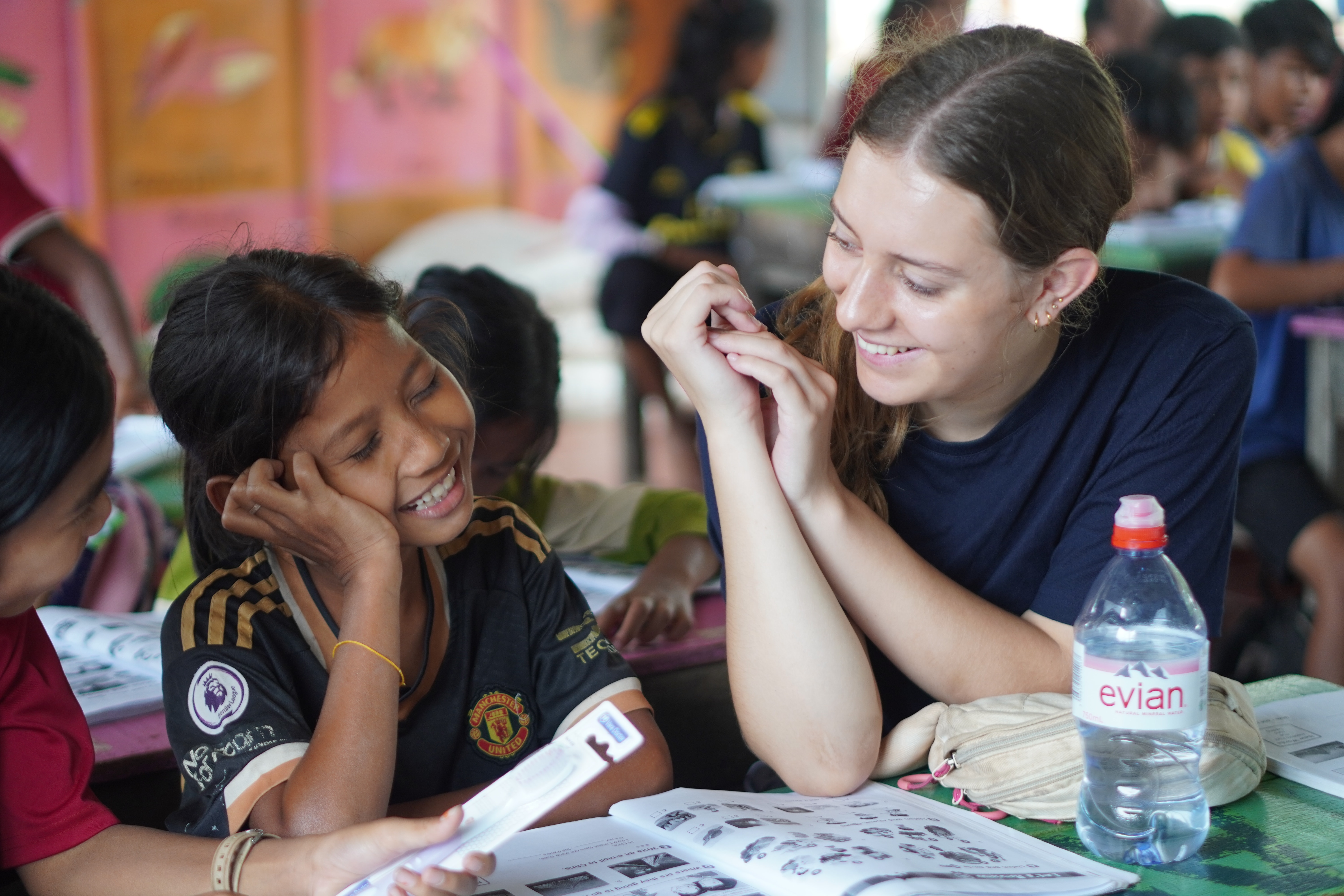
Helping Hands can be supported in many ways without money. However, you can make a real impact by doing work locally or abroad. Here are 10 ways that you can help people.
1. Volunteer Your Time
One of the best ways to help is by giving your time. Even a few hours can make a huge impact on someone’s life.
Join Local Events and Programs
Join local drives, campaigns, and workshops. Thus, these often work as planned volunteer work that gives steady help.
Offer Remote Volunteering
You can also help online by guiding or creating content. However, many agencies also help people to volunteer abroad.
2. Share on Social Media
This is another way to donate. However, knowledge can be a potent tool in this digital era.
Spread Awareness
Posting and updating the content helps agencies to reach more people. Therefore, they also make working abroad stand out.
Use Hashtags Wisely
Using the right hashtags boosts reach. Thus, it helps people find many care worker options, whether close to home or abroad.
3. Donate Essential Items
There is no need to give money in order to make value. However, you can also support by sharing food, clothes, books, or other useful items.
Clothing and Household Goods
Used items like clothes or goods can help families in need and boost volunteer projects.
Books and Educational Supplies
In unserved areas, learning items help in study and growth programs. As a result, kids in these areas get better access to learning tools.
4. Offer Your Skills
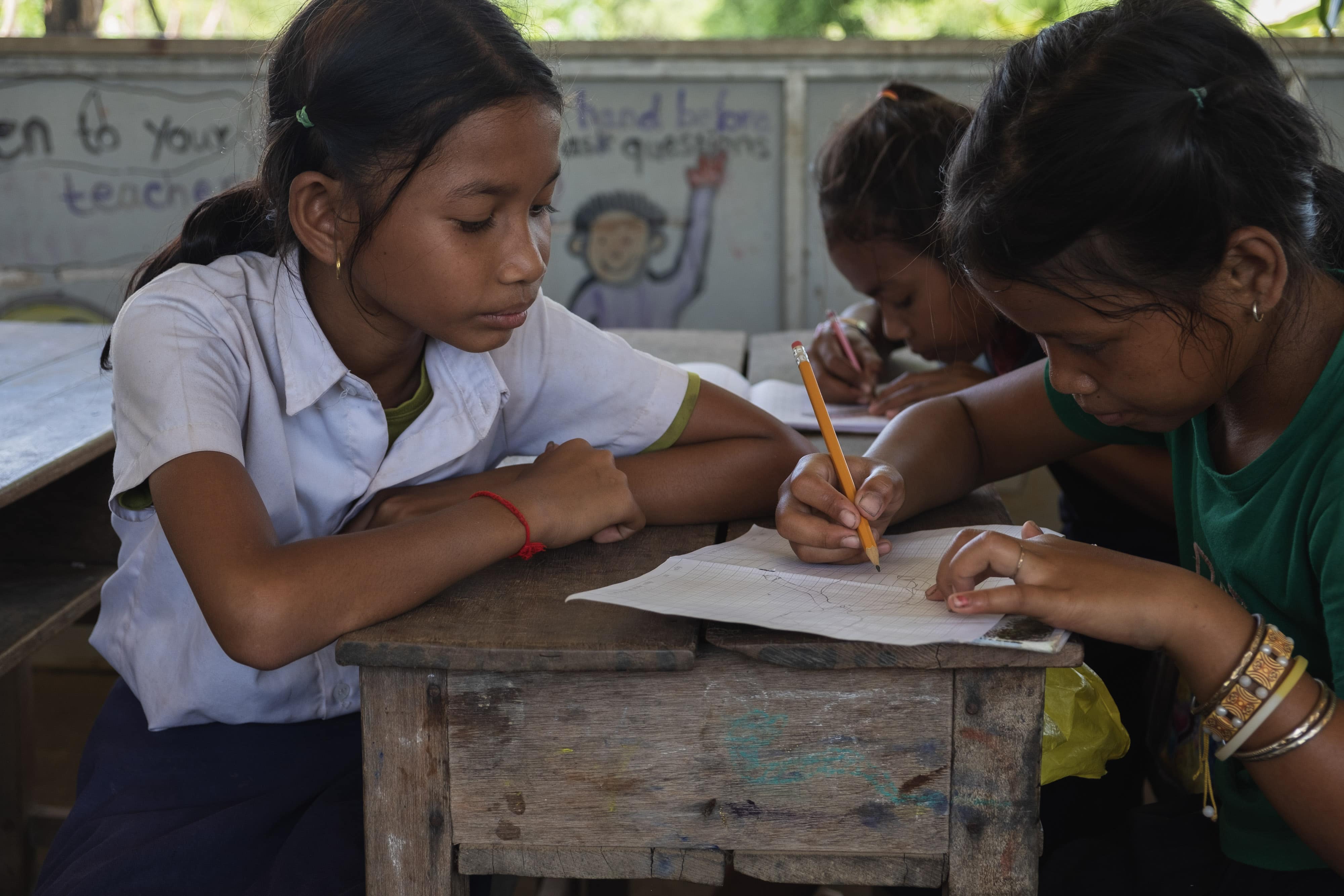
Funding is only as good as the skill linked with it. Using your skills like teaching, designing, or mentoring, can create a long-term impact.
Expert Services
More effective talk and outreach among writers, designers, and developers can help companies.
Teaching and Mentorship
The act of sharing knowledge through mentoring or teaching offers various benefits to the kids and society. Indeed, this is one of the most lasting ways to give back.
5. Organize Fundraising Events
The benefit is that you do not have to spend your own money to raise funds.
Community-Based Tasks
Organize events like charity runs, workshops, or other awareness drives. These tend to evolve into useful volunteer projects that help locals come together. As long as people stay loyal, these events can grow into something much bigger.
Online Drives
Online drives activate helpers in various parts of the group, reinforcing joint impact. At the same time, they spread across the world to reach the audience.
6. Advocate for the Cause
The advocacy helps increase the impact. By raising awareness and speaking up, you can encourage more people to support the cause.
Talk About It
Talk about the reasons in your group. Conversations often inspire others to find out how to volunteer abroad or get involved locally.
Engage with Local Groups
Promoting group participation enhances the sense of community and engagement. For this reason, staying active in local groups can lead to stronger and wider support.
7. Partner Through Your Workplace
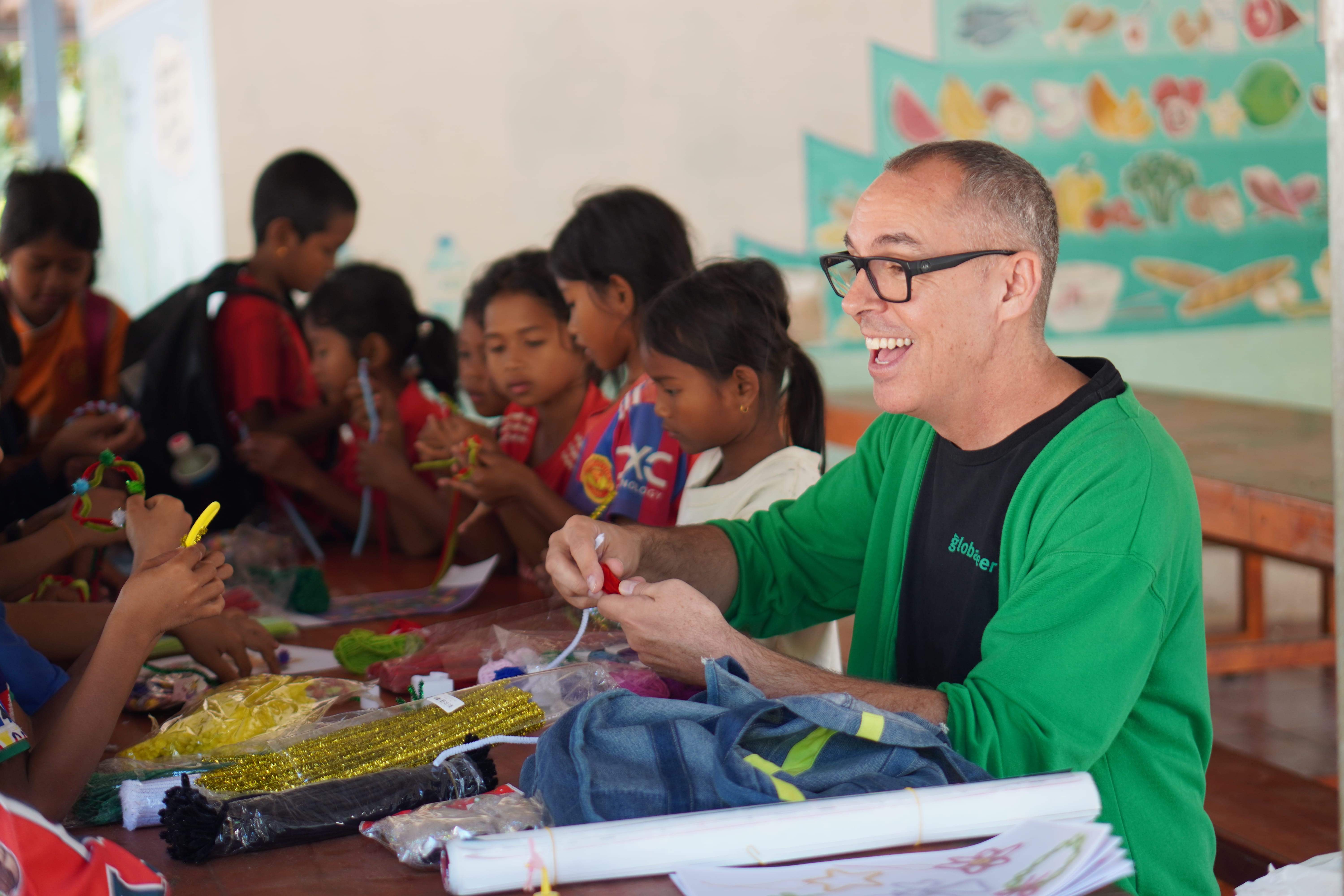
Your job can be a strong support system. Hence, Workplaces can help by organizing CSR tasks, donation drives, or volunteering programs.
Corporate Volunteering Programs
Promote group involvement in local and global volunteer projects. By doing so, teams can create a bigger and more lasting effect in their local area.
CSR Teamwork
A wide range of companies help with local functions via organized duty programs. On top of that, jobs help in creating a strong culture of care within teams.
8. Provide Transportation or Logistics Support
Behind all successful plans, there is good logistical help. However, helping with transport, delivery, or coordination can make social plans run smoothly.
Help with Deliveries
Helping with transport will make sure that supplies are in the right places at the right time.
Assist in Event Setup
On the ground, help provides a smooth execution, be it in direct local drives or volunteer opportunities abroad. Likewise, good setup support ensures events run without delays.
9. Participate in Awareness Campaigns
Your presence will count. Joining campaigns helps spread the message faster and encourages others to get involved.
Attend Events and Workshops
Taking part also creates momentum, and it encourages more people to join.
Promote Campaigns Locally
Sharing information within your group increases reach and engagement. Subsequently, more people become aware and willing to take part.
10. Become a Long-Term Supporter
Consistency creates lasting change. Regular involvement ensures sustained impact and helps communities grow stronger over time.
Stay Consistent
Regular engagement in volunteer projects is sustainable.
Build Relationships
A strong bond with organizers helps you give more meaningfully over time. Above all, long-term bonds create trust that leads to bigger and more lasting change.
How to Stay Consistent While Supporting Causes?
One major issue of non-monetary help is maintaining stability. Therefore, taking part in volunteer projects creates a greater impact than just joining.
- Set easy time slots.
- Select tasks that suit you.
- Keep in touch with agencies.
- Track your involvement for motivation
- Make yourself stable with your routine.
How to Stay Consistent While Supporting Causes?
One major issue of non-monetary help is maintaining stability. Therefore, taking part in volunteer projects creates a greater impact than just joining.
- Set easy time slots.
- Select tasks that suit you.
- Keep in touch with agencies.
- Track your involvement for motivation
- Make yourself stable with your routine.
What are The Common Mistakes to Avoid When Supporting Non-Profits?
To make your efforts effective, avoid these common mistakes. Even so, many people still fall into these traps without knowing it.
| Mistake | Why It Matters | Better Approach |
| Inconsistent role | Breaks volunteer projects | Donate regularly |
| Ignoring needs | Weakens ethical volunteering impact | Ask before helping |
| Overdo | Affects the reliability of volunteer opportunities abroad | Start small |
| Skip communication | Impact international volunteer opportunities links | Stay responsive |
| No plan | Issues when learning how to volunteer abroad | Plan ahead |
What are the Merits of Supporting Helping Hands Without Money?
Non-monetary benefits help you and society. Thus, they help you in:
- Personal Growth: Develop Leadership and care.
- Skill Building: Practical expertise in ethical volunteering.
- Good Relationship: Build real relations.
- Global View: Find international volunteer opportunities and varied cultures.
FAQs
1. How to help someone without giving them money?
One way you can help is by volunteering, offering your skills, or helping them emotionally. Even simple things such as mentoring, educating, or helping with daily chores can count.
2. How much in donations can I claim without receipts?
This is based on the local tax laws. Small gifts can be claimed without a receipt in most instances, but it is always best to refer to your country's tax laws or keep a record to ensure accuracy.
3. What are 5 ways to help the community?
You can volunteer, sponsor local tasks, donate useful products, mentor, and create awareness. Such practices help in creating a better and more linked society.
4. What are the 4 types of donors?
The four typical donors include individual, corporate, foundation, and government. They both serve nonprofit programs in one way or another.

0 Comments