
Child Literacy Programs in Cambodia | Helping Hands Siem Reap
Read. Write. Thrive. Empower Cambodia’s children through literacy.
Why Literacy Matters in Rural Cambodia
Learning to read and write is much more than a schooling necessity. It gives kids the power to express themselves, make sense of the surrounding world, and to gain the confidence to continue learning. This is why child literacy programs are one of the most powerful tools for change in rural Cambodia, where access to good teaching and books is usually limited.
The link between Cambodia's poverty and education runs deep. Many children start school without the early support they need to progress, and without one-to-one help, those gaps only widen. As an NGO working for education in Siem Reap, Helping Hands exists to make sure that every child gets the help they need to move forward.
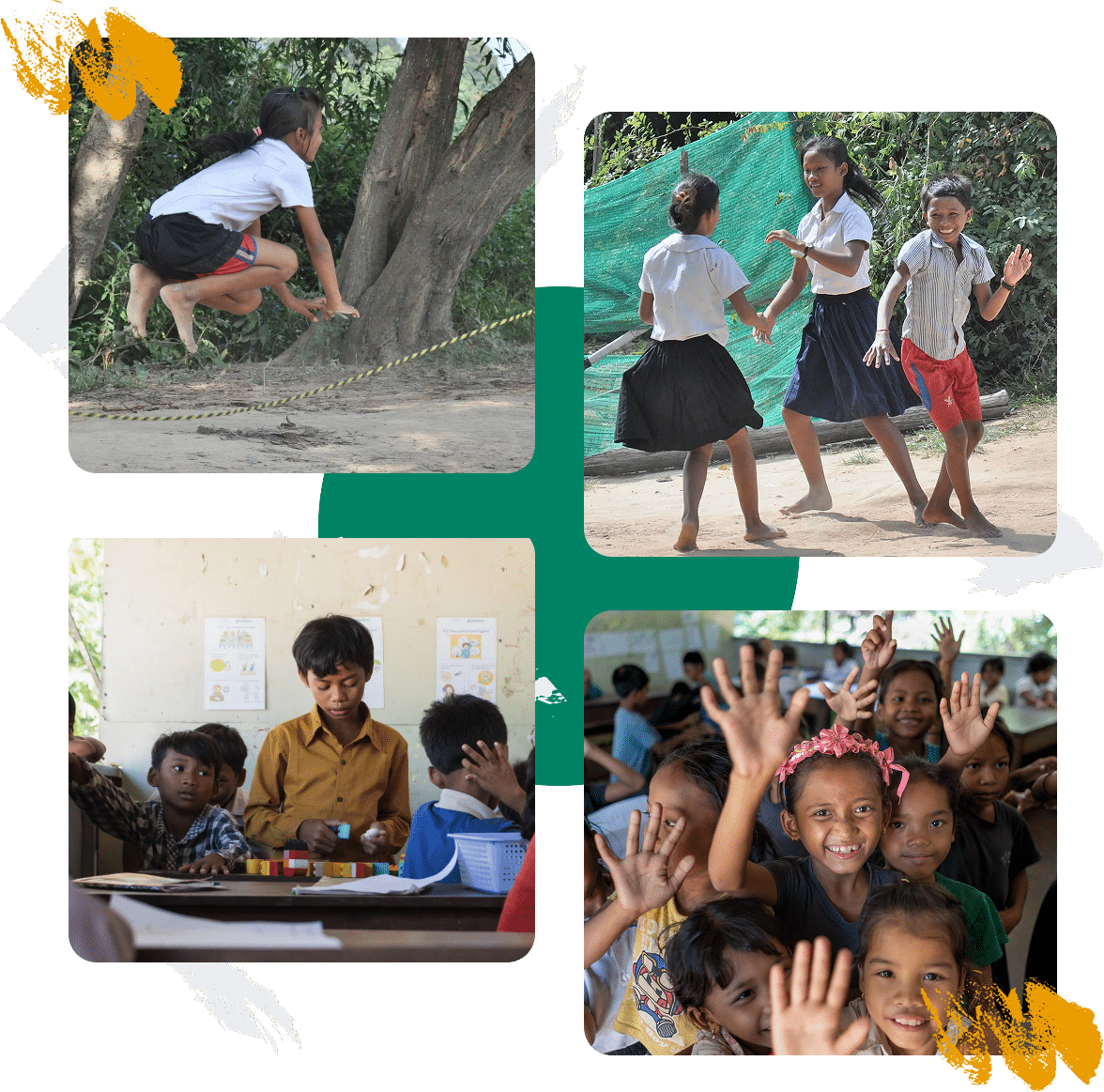

Khmer literacy
First, the children learn to read & write well in their own language. Khmer literacy is a core building block of all learning and an essential bridge to culture, identity, and community.
English literacy
English is the key to education and a job. In our classes, we work to build real and applicable communication skills with reading, writing, listening, and speaking at a pace that builds true confidence. Our classes are held in safe, informal learning environments that encourage children to ask questions, take risks, and learn at their own pace.
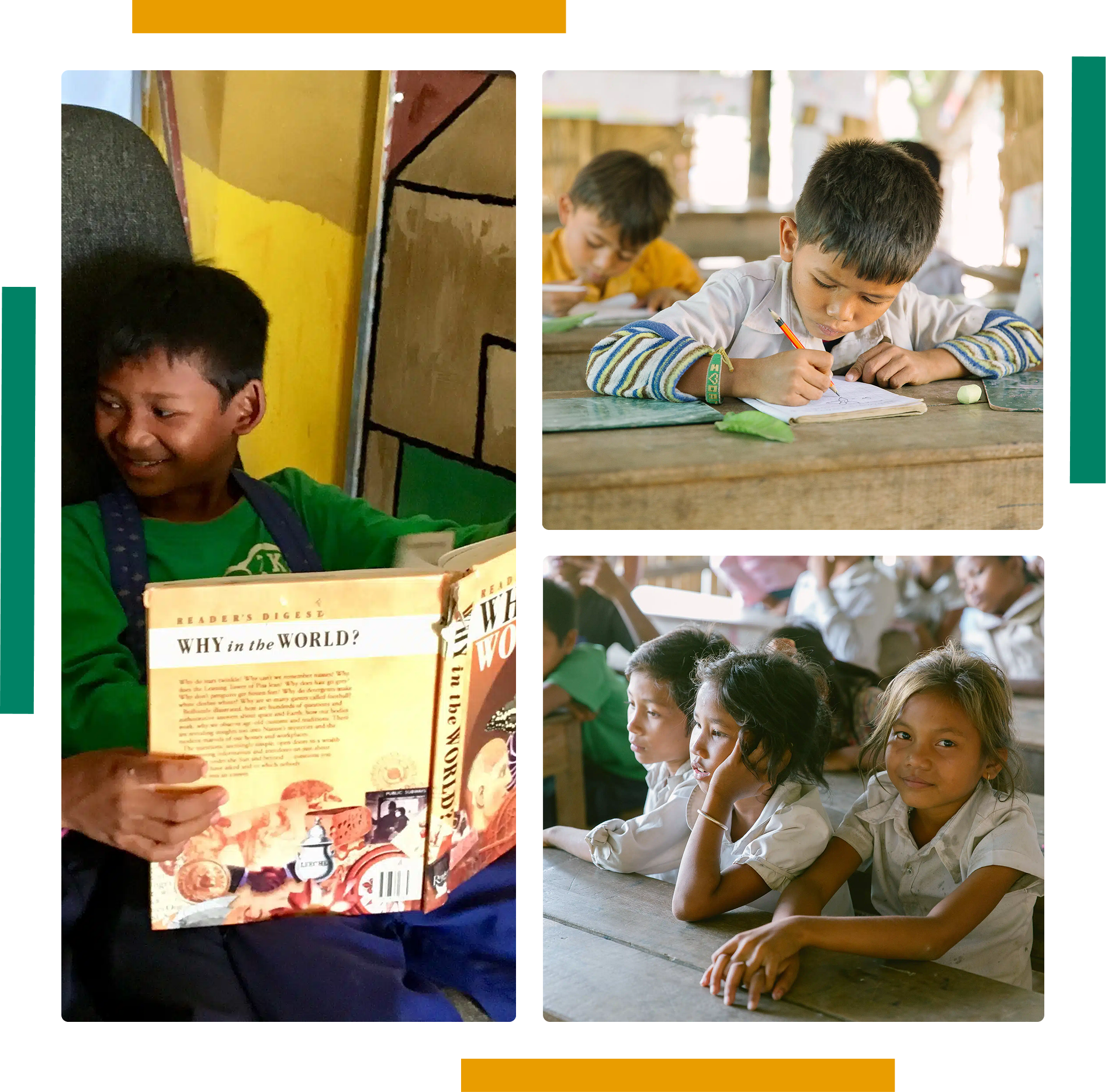
What Learning Materials Do We Provide?
All children in our child literacy improvement program get their books and materials completely free of charge, so nothing gets in the way of their learning. We:
- Align reading materials and workbooks with the local school syllabus
- Design resources around the specific needs of our students
- Provide all materials at no cost to children and their families
As an education NGO in Siem Reap, we make sure every child has equal access to quality learning materials. This shows what good literacy programs can achieve with committed teams and communities.
How Do We Track Literacy Progress in Children?
Consistent improvement is central to our literacy work. We monitor the growth of every child, tailor support as required, and identify learning gaps early to give the right guidance to each kid.

Individual Learning Support
Each child learns differently, so we provide personalized support to make sure no child is left behind.
Regular Classroom Assessment
Teachers carry out simple, regular assessments to track the progress of the kids in reading and writing.

Focus on Confidence Building
Progress does not just mean accuracy; it means helping children to feel confident in the use of language in actual situations.

Adaptive Teaching Methods
Lessons are tailored to student needs in order to provide consistent and meaningful growth.
The Role of Volunteers in Literacy
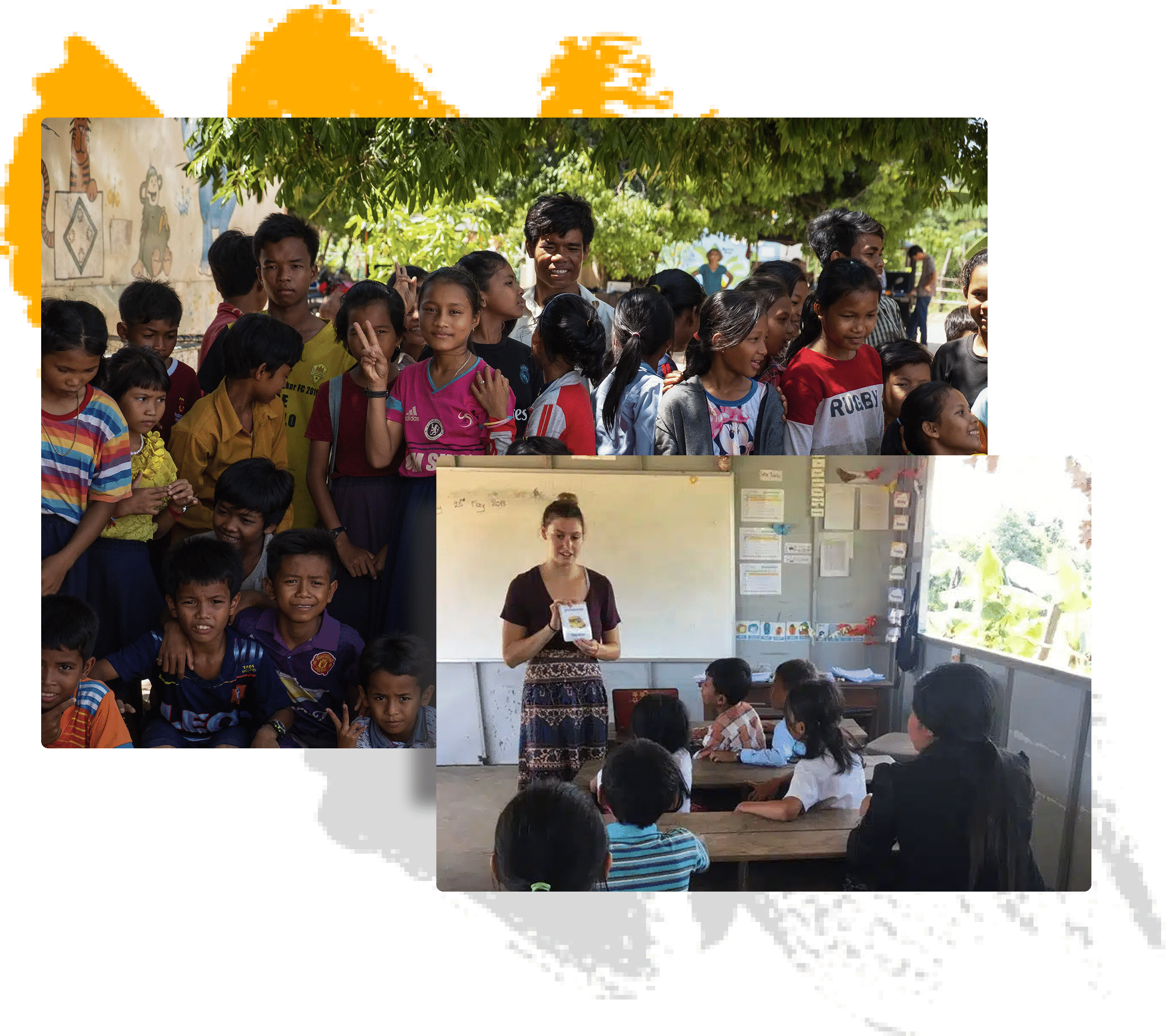
Volunteers bring fresh energy, enthusiasm, and new perspectives to our classes, working alongside local staff for the benefit of every child.

Teaching Support
Volunteers assist with reading and writing tasks, helping children build skills in an engaging and enjoyable way.

One-to-One Encouragement
Some children need a bit more care. Volunteers sit beside them, read through each page together and celebrate every small step.

English Language Practice
Speaking and listening with fluent English speakers gives kids a chance to build real confidence in the classroom.
Ethical and Safeguarded Role
All volunteers work under strict safety rules and will never replace our local staff, but will support their work. This ensures ethical volunteering practices that protect the welfare of every child. For anyone wanting to volunteer in Cambodia, it is a chance to make a real impact by supporting a well-organized literacy program.
Success Stories
Here are some of the young people who have grown through our literacy program:
- Dara, once a silent child in our classes, has become one of our educators, and she continues her college education. She works with younger kids through tutoring, lesson planning and family support, a real-life example of how education can transform an otherwise silent child into a role model in society.
- Kong, a former student, is now a social worker at Helping Hands. She goes to poor and struggling families, providing practical help and understanding. Her journey from student to social worker shows how a long-term education can create leaders who can change a whole community.
Ready to Help a Child Find Their Voice?
Whether you choose to volunteer in Cambodia, donate to Cambodian education, or run a fundraiser on our behalf, your support directly strengthens our literacy program and the children who depend on it. Helping Hands is an NGO that supports education in rural Cambodia and has worked with communities for over 20 years to create long-term sustainable change in Siem Reap, because we know life-changing impact only happens when the community chooses it. A child's breakfast costs just $5 each month, providing them with the focus they need to learn. $75 buys one month's university education for a student like Dara or Kong.
Frequently Asked Questions
These include clarity, coherence, creativity, critical thinking, comprehension, communication, and collaboration.
These are emergent literacy, alphabetic stage, words and patterns, intermediate reading, and lastly, advanced reading. This is a good approach to reading as time progresses.
These skills are vital to literacy, including phonemic awareness, phonics, vocabulary, fluency, and comprehension.
Storytelling, reading aloud, word games, role-play, and interactive writing structure inspire teaching practices. This stimulates effective engagement in each learning expertise.
Yes. They deliver systematic support, practice, and instructions to enable kids to learn slowly but surely to read and write.