
Dog Population Control in Cusco
From a Western perspective, neutering is a logical part of animal welfare. However, in rural villages of Cusco, this procedure is often inaccessible—both financially and geographically. Many communities resort to culling female dogs to control the growing population. Not only is this unethical, but it also fails to address the root of the problem.
This week, we launched the first neutering campaign of 2025 in the rural town of Lucre, nestled in Cusco’s South Valley. Recent changes to Peru’s neutering laws caused significant delays in 2024, but the PAWS team returned this week with renewed energy and excitement for the months ahead. Spending a day at the campaign revealed not just the benefits for the animals but also the power of community in driving meaningful change.
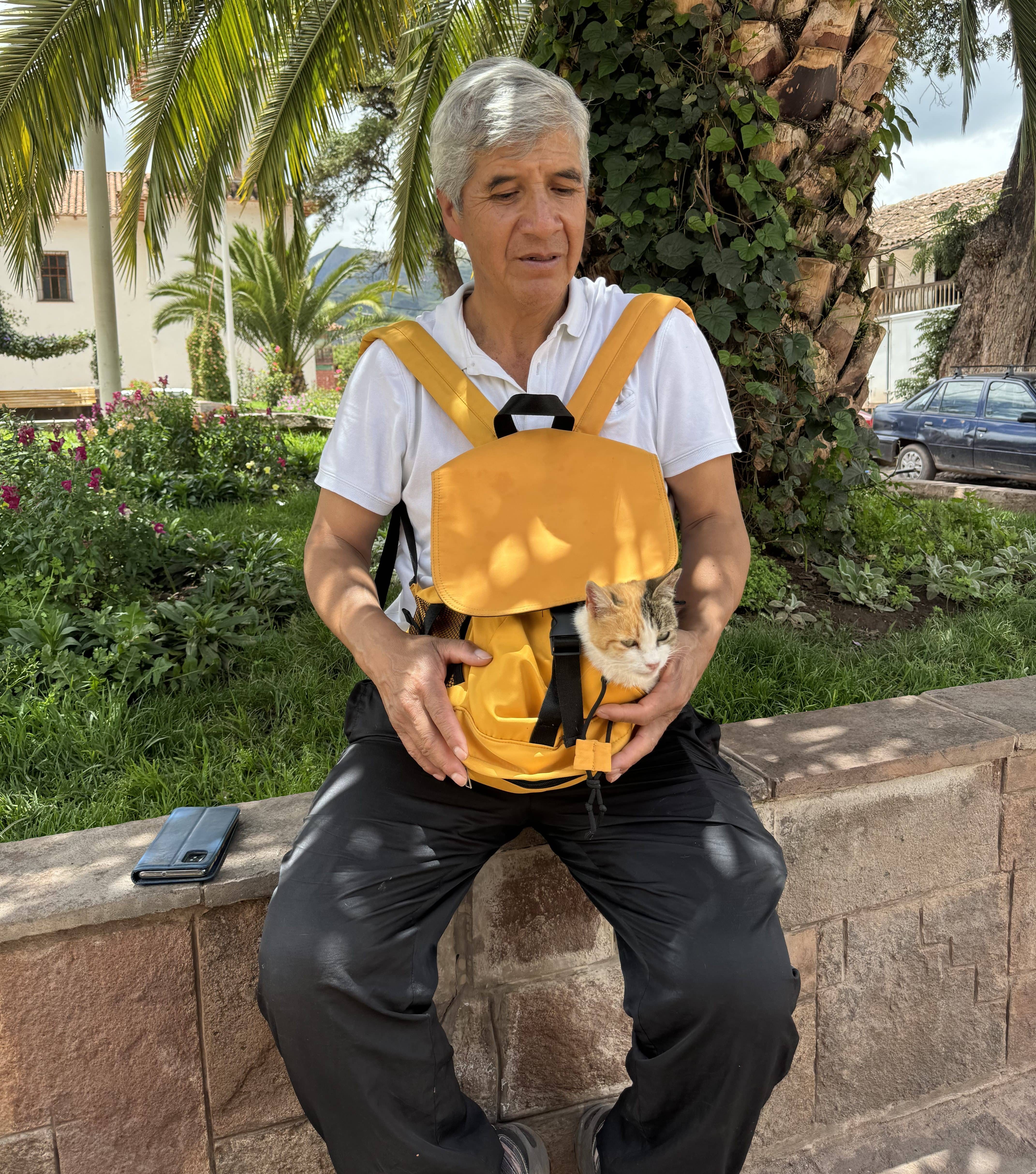
Making Neutering Easy: How We Run our Campaigns
The campaign is designed to be as simple as possible for residents: pets must be registered and checked by a vet the day before, and by the next day, they are ready for surgery!
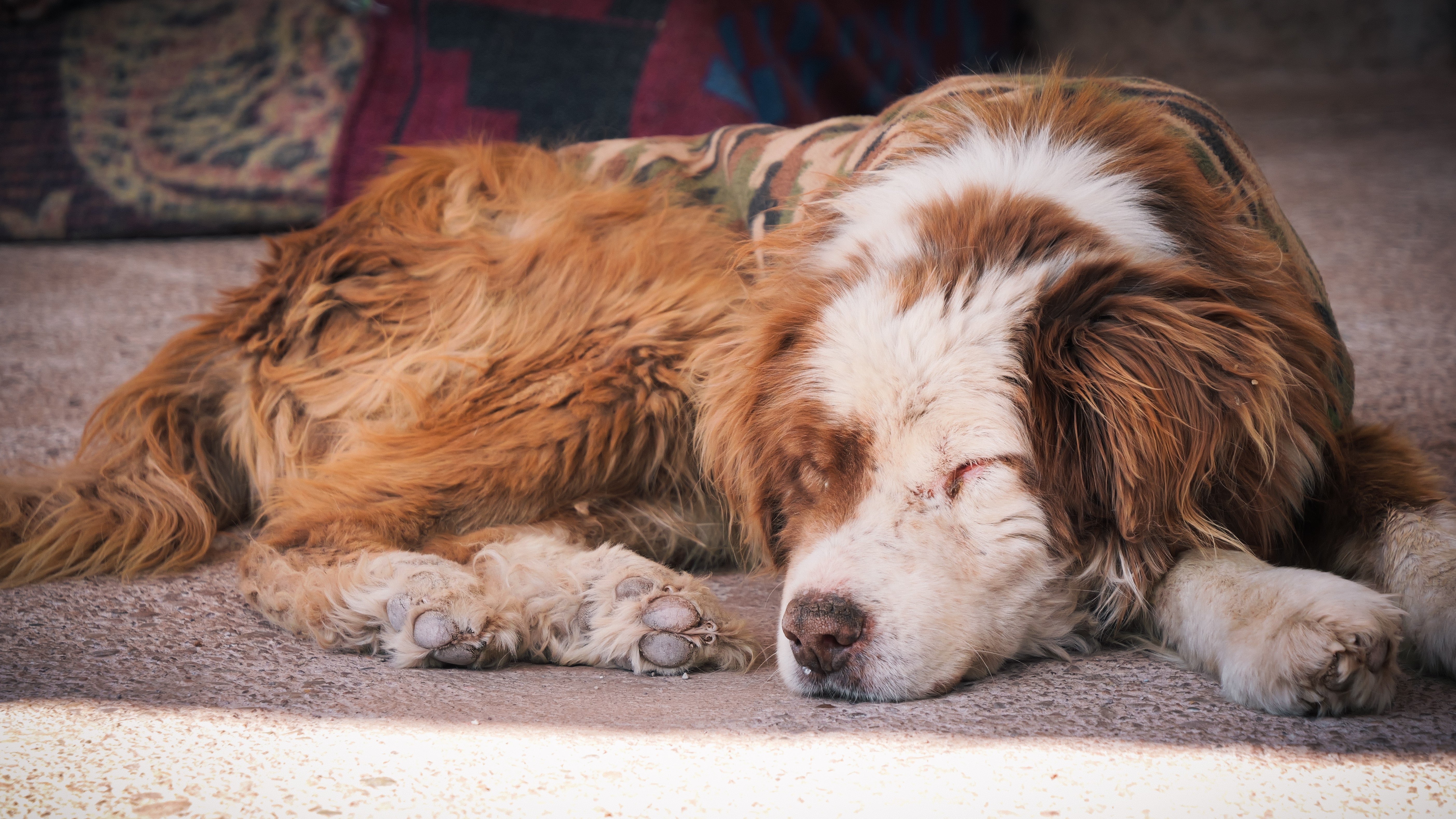
On paper, this might seem too good to be true—a dozen cats and dogs, each with their owner, waiting for serious surgery in the middle of a rural town. Chaos should ensue! Yet, upon arriving in Lucre this Wednesday, that wasn’t the case. Owners gathered under the gazebo that served as the reception area, chatting and proudly showing off their pets to one another. Dogs lounged on the plaza steps, basking in the sun before their appointments. It was a picture of tranquillity, punctuated only by the occasional bark or meow.
At its quickest, the process takes around an hour and a half per pet. Efficiency and simplicity are key, as many owners do not have the luxury of time—often causing proper pet care to fall behind. That’s why an essential part of PAWS' agenda is not just providing care but also educating the community on why it matters.
Connecting with the community
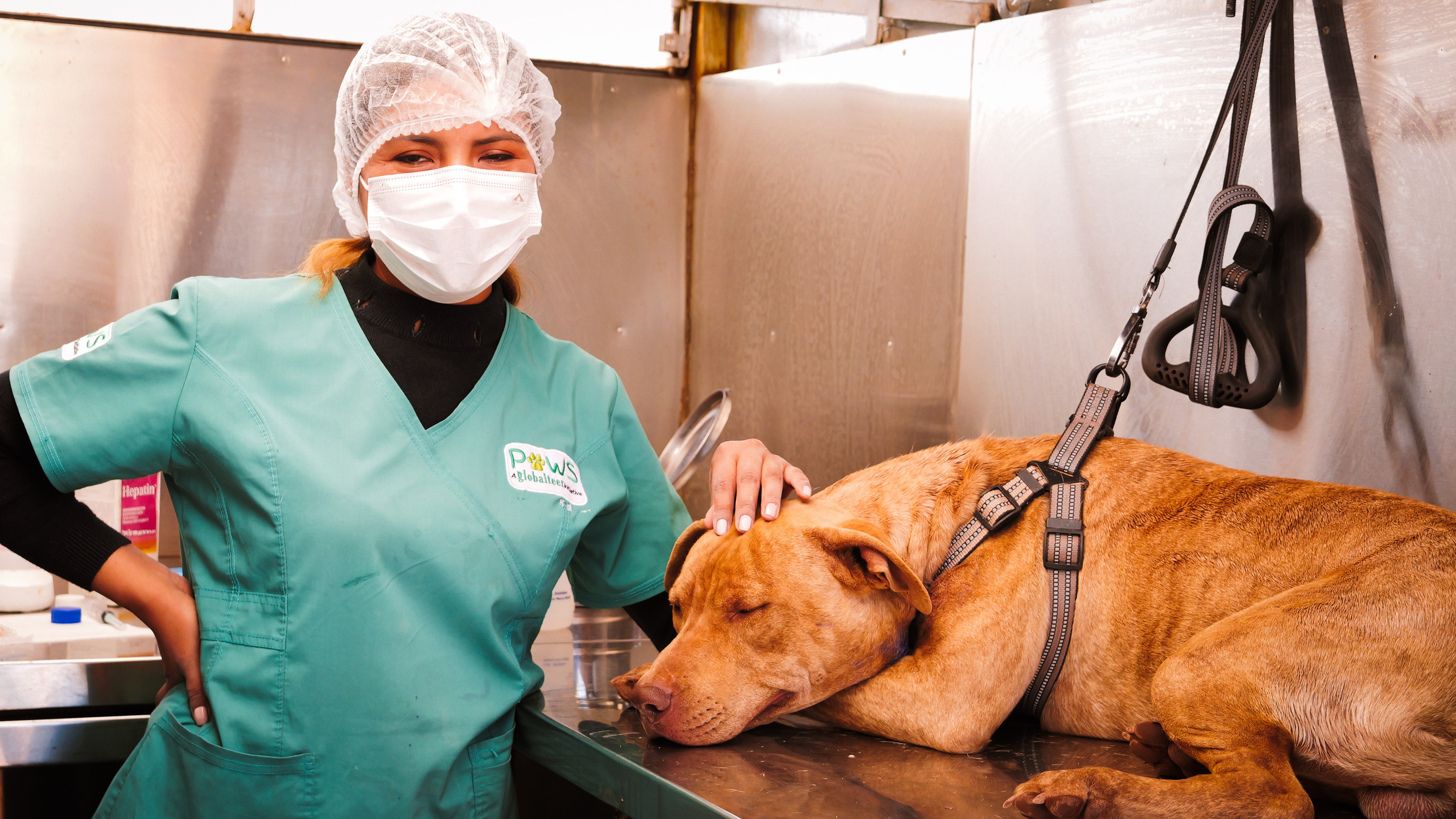
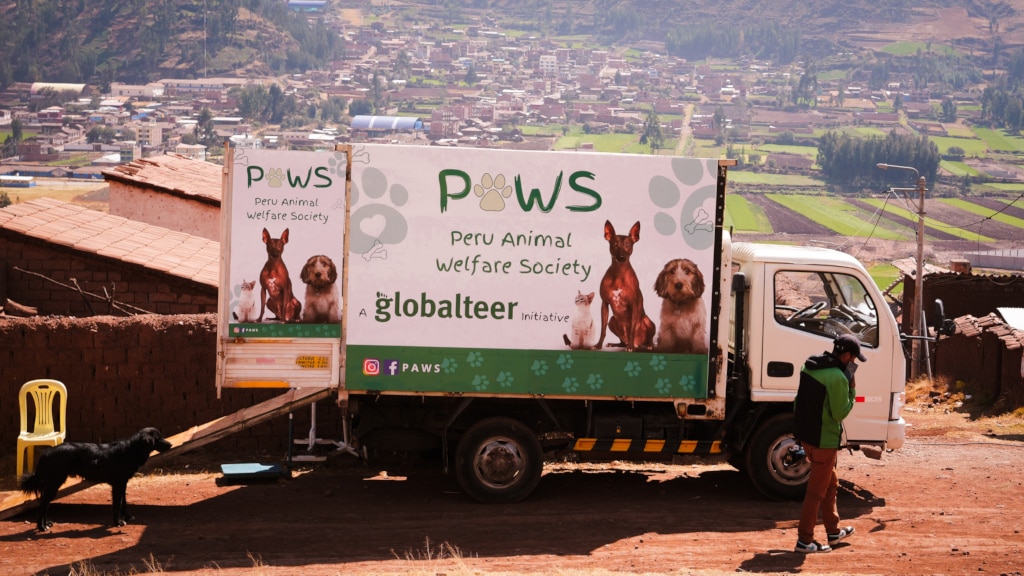
Building a strong relationship with the town council is a vital part of our campaigns, and in Lucre, it has proven to be a success. This week, PAWS was able to set up a mobile clinic in the town’s plaza—the heart of the community. With the council’s support, we had access to water and electricity, both essential for performing surgeries.
On Wednesday, I saw firsthand the benefits of being in the town centre. Many people who were previously unaware of the campaign passed through and booked their pets for the following day. Numerous locals came with questions about their dogs, eager to speak with trusted veterinarians. It wasn’t just a campaign; it became a welcoming hub of advice for the town.
Speaking with one of the vet technicians, Diana, she explained that not all communities respond as positively. “The problem we face is that many people say they know how to care for their pets, but in reality, they do not want to,” she shared. “Many people see their dog as a guard for the house and their cat as a rat killer—not as pets.”
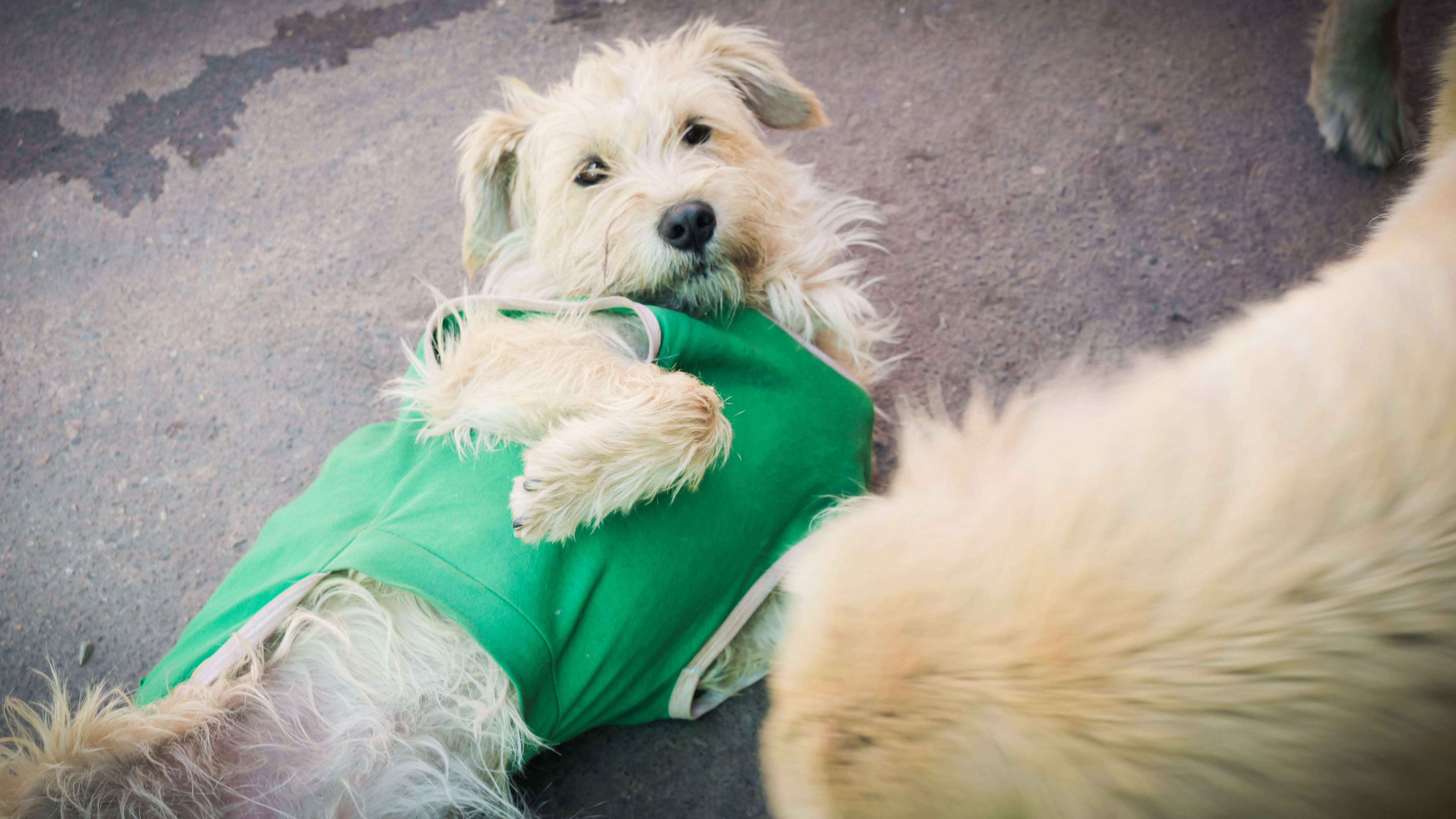
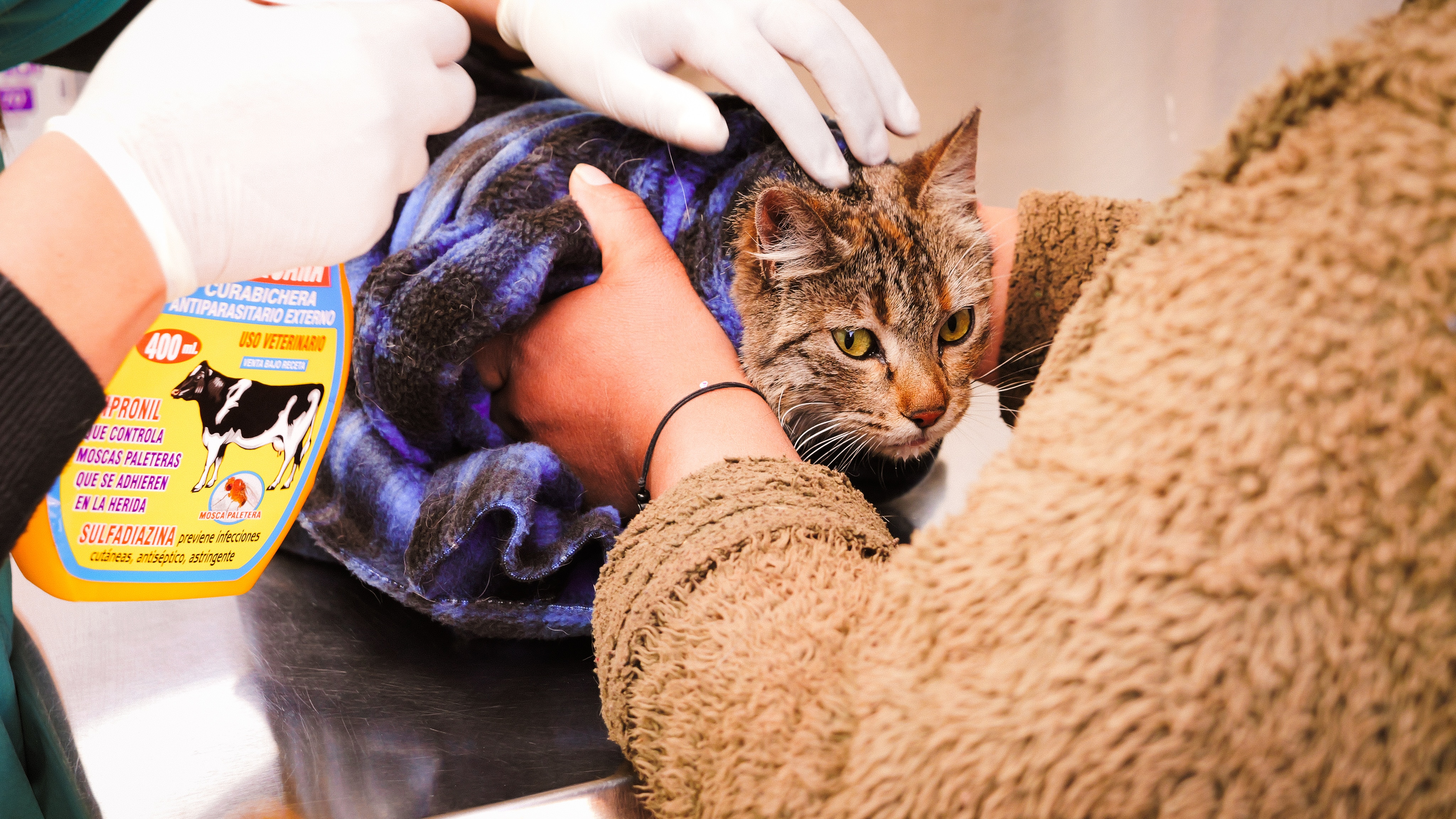
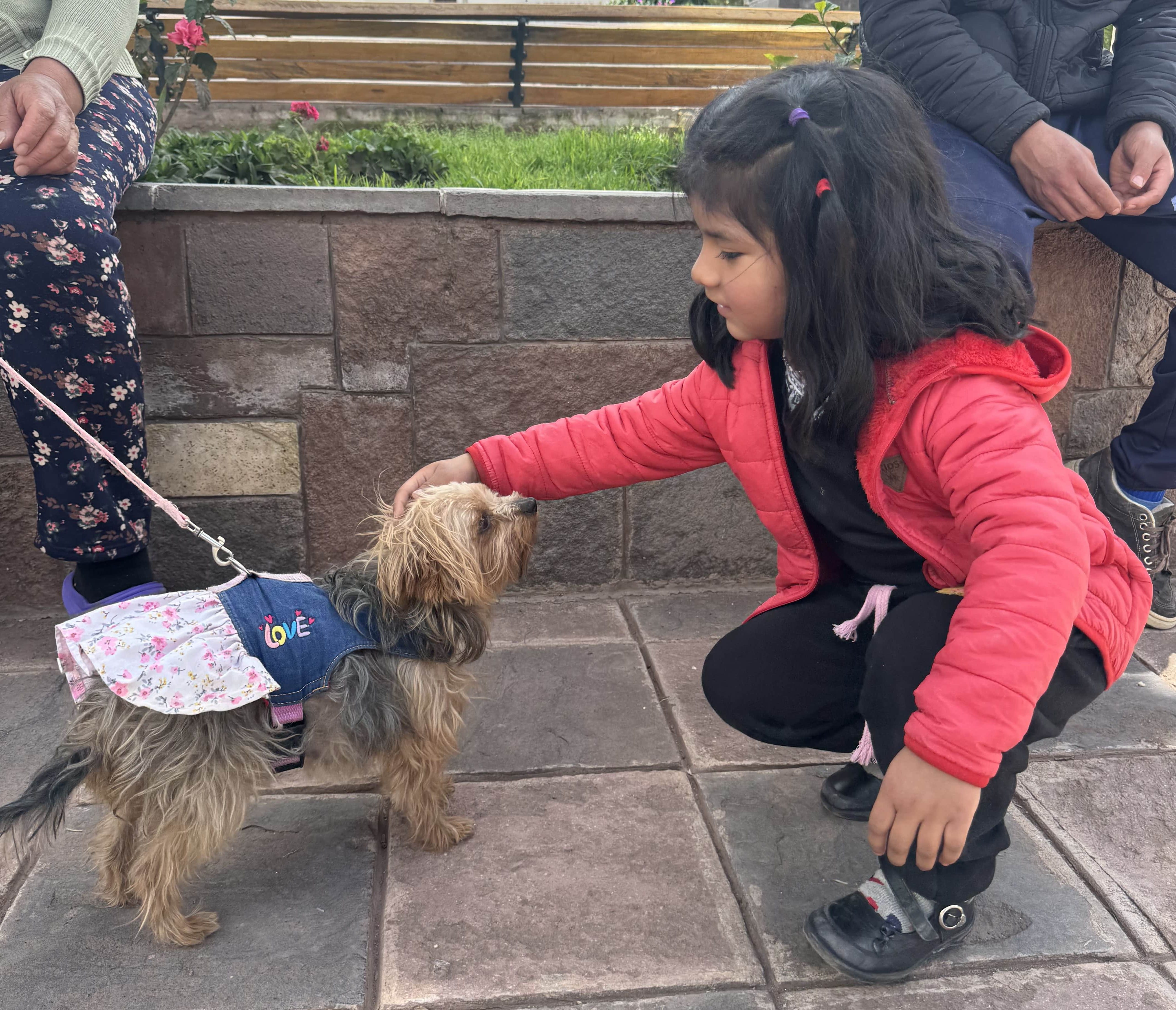
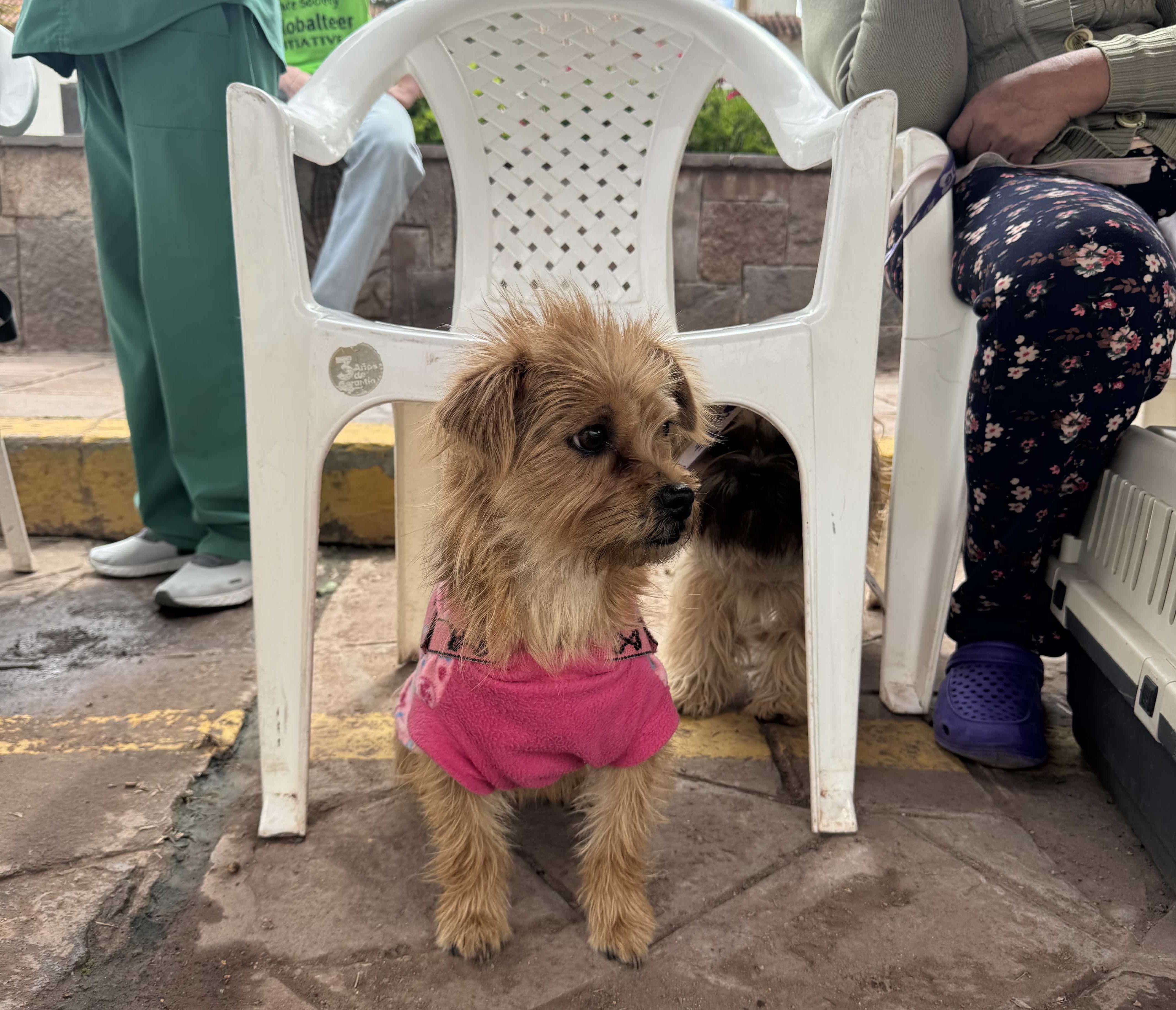
The level of care for dogs and cats varies greatly from town to town, but in Lucre, there were clear signs of improvement. Most dogs had a leash and collar, and some even arrived in their best jumpers. These may seem like small steps, but they are significant in a region where many dogs still roam the streets without a collar—or even an owner.
Improving human attitudes toward pets is even more important than simply providing resources for their care. In rural Cusco, this transformation begins and ends with the community.
Influencing each other for better animal welfare
Visiting the PAWS campaign not only highlighted the astounding work of the team but also showcased the power of community influence in driving change: one that improves the lives of both animals and people.
A crucial starting point is with the younger generation. During the campaign, I noticed that most pet owners were children—young children who carefully supervised their beloved animals. Despite their youth, challenges still arose. A trio of boys decided they didn’t want their macho dog to undergo surgery, believing he would lose his dominance on the streets. Unfortunately, we couldn’t convince them otherwise this time, but it shed light on how deeply ingrained machismo is—even in the animal world.
Aside from this setback, 54 dogs and cats were neutered and safely returned home over three days of surgery. Although this campaign focuses on the animals, its impact on the community cannot be ignored. While some people still resort to poisoning as a solution, the owners who participated stood out as individuals striving for a better future for their pets. Of course, our team's dedication makes this possible, but community engagement remains the key to creating a lasting impact.
Are You Ready to Join Us?
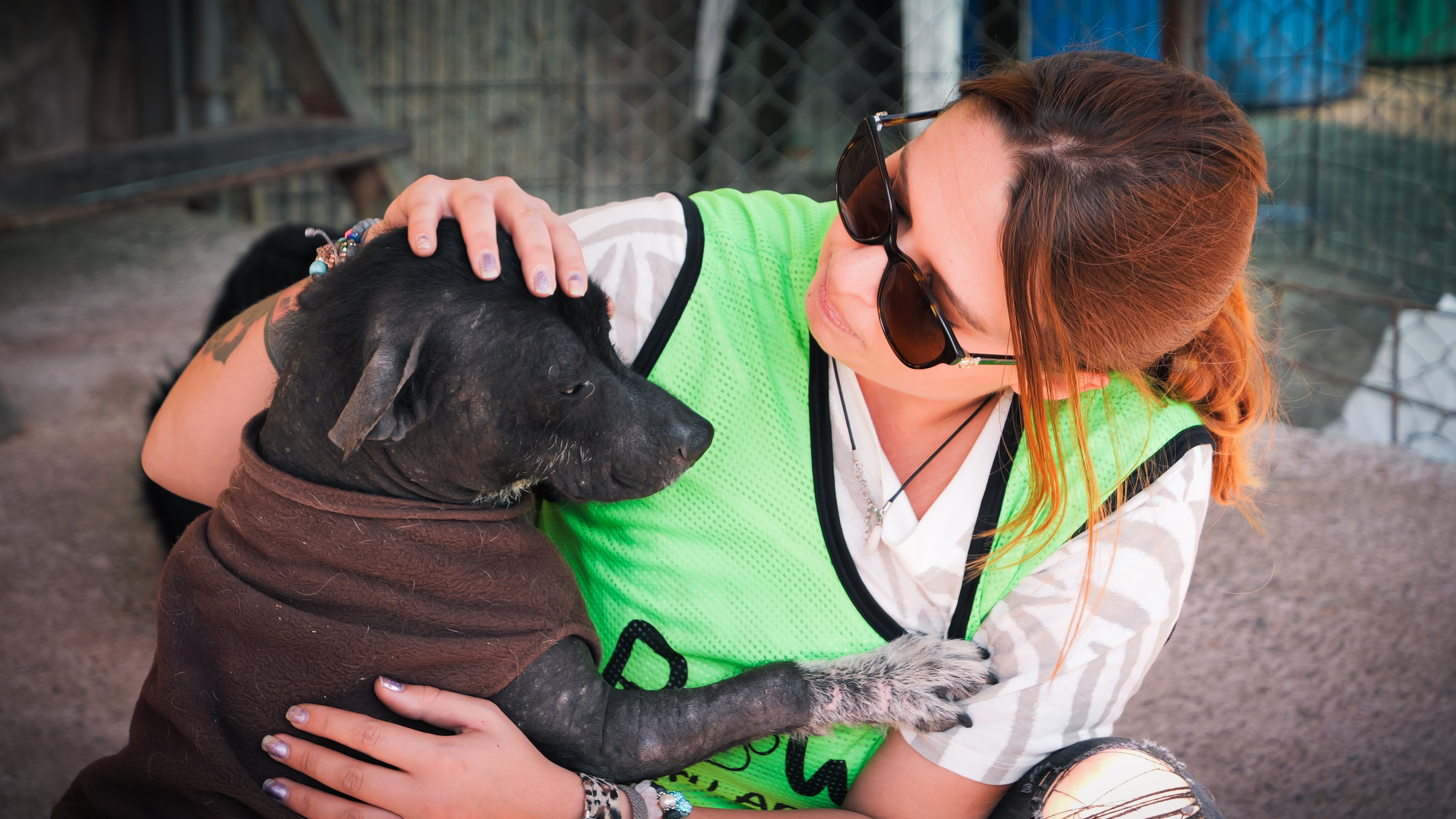
The PAWS team always needs animal welfare interns to support their work. Your role will always be varied, depending on the skills and knowledge you bring. Interning is a two way street: you help to relieve the suffering of animals in Cusco and improve their lives, but also develop professional skills, add to your CV and have unforgettable cultural experiences on the way. To learn more, click on the link below or write to info@globalteer.org.


0 Comments