
Across Asia, elephants still suffer the effects of logging camps, circuses, and other unethical captive environments. Volunteering at an elephant sanctuary offers a way to help directly, not from a distance, but by taking part in their healing and rehabilitation. With so many elephant volunteer programs available today, it's possible to turn a trip abroad into something genuinely meaningful.
What Happens Inside an Elephant Sanctuary?
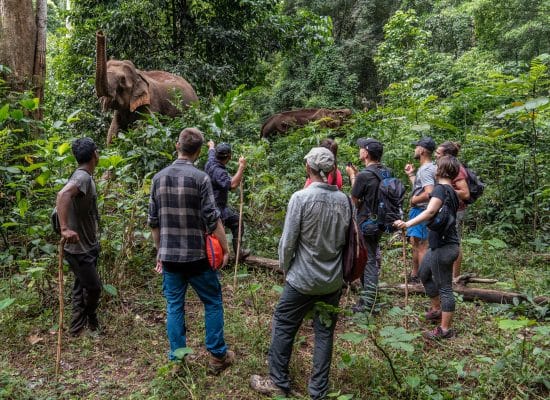
A good sanctuary is designed around the elephant's welfare, not visitors' entertainment. Rescued elephants often arrive physically injured, behaviorally stressed, and shaped by years of cruel training and conditioning from tourism or logging work. The sanctuary's job is to rebuild trust, safety, and routine, one elephant at a time.
Rebuilding Trust and Routine
Breaking the patterns of behavior an elephant has learned over years takes time, and caretakers approach each one with patience and care.
Creating a Safe, Natural Habitat
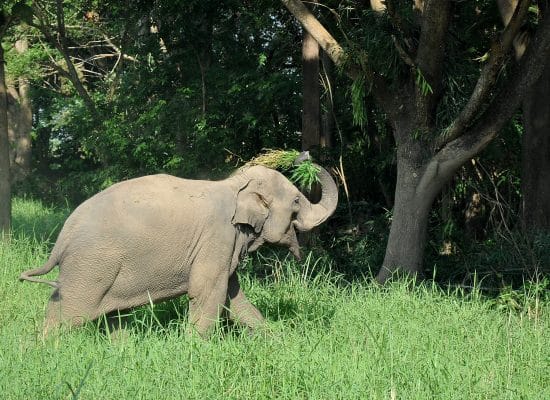
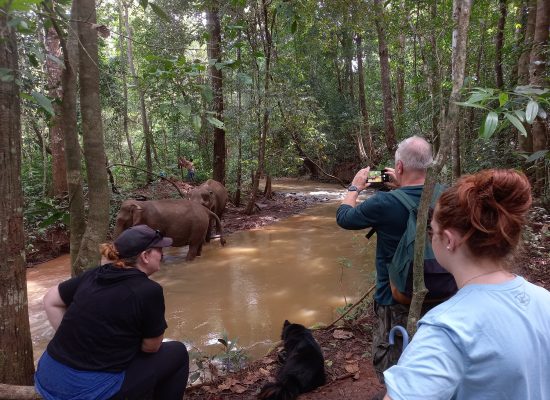
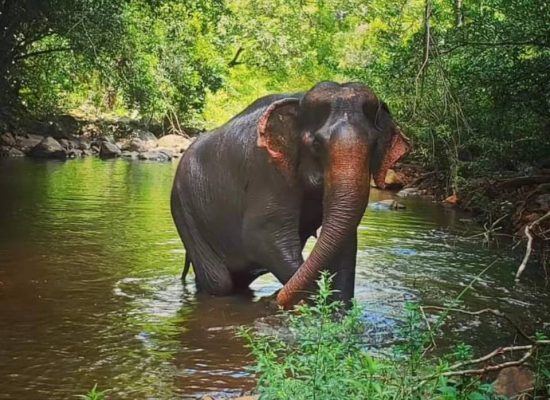
Enclosures are designed to mimic natural environments, with room to roam, mud pools for bathing, and shaded areas for rest.
Supporting Elephants as They Adjust
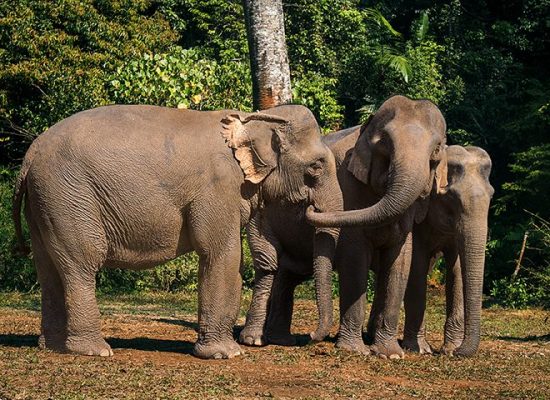
Over weeks and months, elephants grow comfortable eating freely and socializing with others. Throughout this process, they need patient, consistent support from caretakers, without the use of chains or hooks.
How Can Volunteers Support Elephant Welfare?
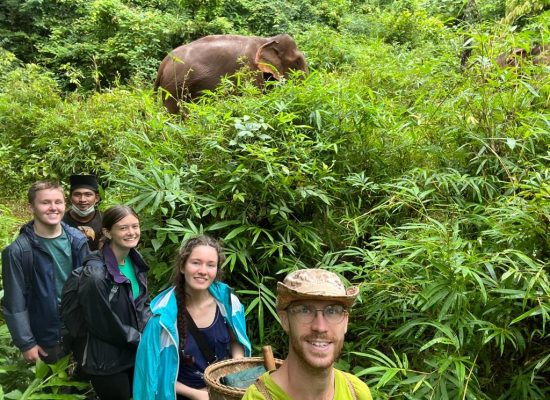
Even without veterinary experience, volunteers can take part in plenty of hands-on, guided activities that make a real difference. Typical responsibilities include:
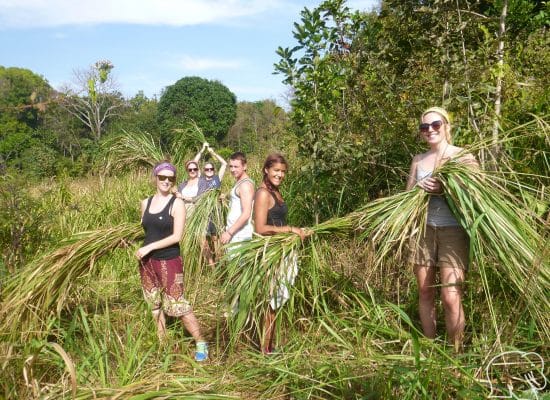
- Preparing and distributing food, including bananas, sugarcane, and grasses
- Maintaining feeding areas, water pools, and forest trails
- Walking elephants to bathing and grazing areas
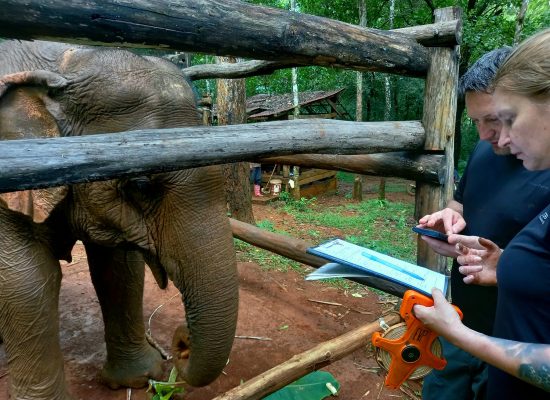
- Documenting behavior and movement for care staff
- Supporting basic health checks alongside keepers
These tasks directly support a sanctuary's daily work, and a volunteer elephant sanctuary placement offers far more impact than a single day's visit.

Why Responsible Elephant Tourism Matters
Not all "sanctuaries" operate ethically, and it's important to know the difference before choosing one.
Ethical vs. Harmful Tourism
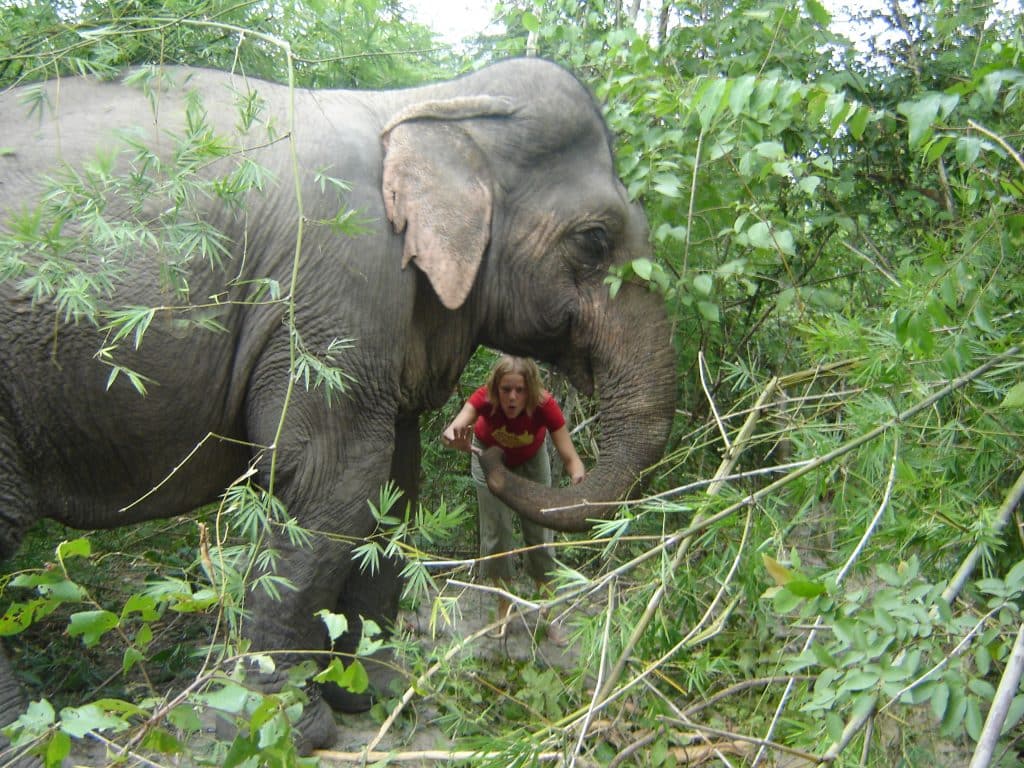
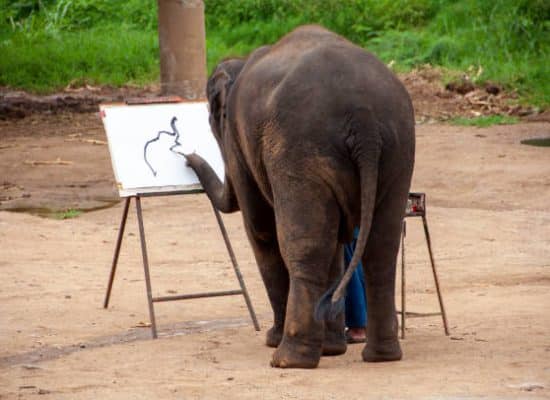
Ethical sanctuaries prohibit elephant riding, performances, and staged photo sessions, focusing instead on giving elephants room to rest and behave naturally. Facilities that still offer rides or shows are typically prioritizing profit over welfare, regardless of how they're marketed.
Respecting Natural Behavior
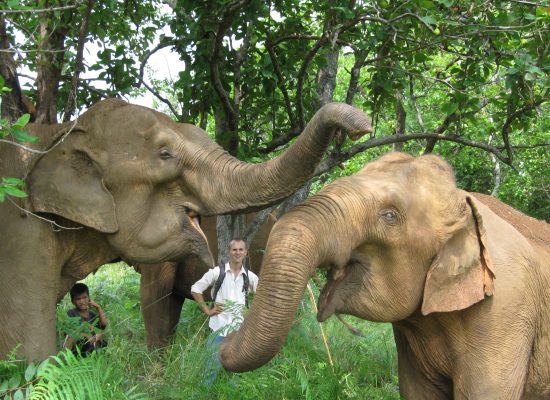
Elephants are highly social, intelligent animals that need room to roam, bathe, and interact freely with one another. Ethical programs focus on quiet observation, not performance.
To see this in action, visit Globalteer's elephant projects in Thailand and Cambodia.
Supporting Conservation, Not Exploitation
Choosing elephant sanctuaries over tourist camps means putting your time and money toward long-term rehabilitation, not short-term entertainment.

What Will You Learn From the Experience?
Beyond day-to-day tasks, volunteering builds a broader understanding of elephant care and wildlife conservation:
| Area of Learning | What You'll Gain |
| Elephant behaviour | Recognizing stress indicators, social dynamics, and feeding behavior |
| Wildlife care skills | Hands-on experience with enrichment, hygiene, and habitat maintenance |
| Conservation awareness | Understanding threats like habitat loss, poaching, and tourism-driven abuse |
| Cultural context | A deeper understanding of how elephants and local communities coexist |
Volunteers often say it's this mix of practical skills and real understanding that makes elephant volunteer programs so rewarding.

How Can Your Contribution Have a Long-Term Impact?
Volunteering matters beyond the day-to-day tasks themselves. Every task completed frees up sanctuary staff to focus on rehabilitation work that requires their expertise, while program fees help sanctuaries sustain their daily welfare work. Your contribution supports:
- Improved enclosures, food, and enrichment, resulting in better living conditions
- Continued treatment and recovery for newly rescued elephants
- Rescue efforts on a larger scale, as seen across Globalteer's wildlife and conservation projects
- A ripple effect of awareness, as volunteers who witness ethical care often become long-term advocates against harmful elephant tourism

Why Choose Globalteer for Elephant Sanctuary Volunteering?
Globalteer has worked alongside local communities for years, running ethical, welfare-based programs across Southeast Asia. Volunteers choose us for reasons like:
- No riding, no performances, at any partner sanctuary
- Hands-on placements working alongside experienced mahouts and sanctuary staff
- Small group sizes that keep the focus on the elephants, not the crowds
- A reputation as one of the more ethical international volunteer organizations for wildlife travel
As a trusted volunteer elephant sanctuary partner, Globalteer connects travelers with programs like our Thailand elephant sanctuary placement, where volunteers work directly alongside rescued elephants and their keepers.
Conclusion
Volunteering at an elephant sanctuary is more than a once-in-a-lifetime experience; it offers something deeper for animals who have spent their lives suffering because of humans. From daily care to the countless small actions that support an elephant's recovery, every volunteer makes a difference, helping give rescued elephants a calmer, more independent life.
Start Your Elephant Sanctuary Volunteer Journey With Globalteer
Willing to work with rescued elephants and elephant keepers? Learn about Globalteer's ethical elephant encounter program, one of the longer-standing international volunteer organizations in ethical wildlife travel. Take the first step toward a placement that prioritizes the welfare of the elephant.