
Volunteering at a cat and dog shelter teaches you far more than how to feed and clean. You learn patience, how to read an animal’s body language, and what it takes to help a rescued animal settle into a new life. For many people thinking about volunteering with animals abroad, a shelter placement is where that learning really starts.

What Can a Cat and Dog Shelter Teach You About Animal Care?
Daily shelter routines look simple from the outside, but they teach real lessons in responsibility:
- How regular feeding, cleaning and fixed routines keep animals healthy and calm
- Why animals recovering from neglect or injury need consistency, not just affection
- How small, repetitive tasks, like sweeping, washing bowls and changing bedding, add up to a safe, clean space
- Why following the guidance of experienced staff matters more than relying on instinct


How Can You Learn to Understand Animal Behaviour?
Some of the most useful learning happens when you simply watch. It shapes how you handle every animal after that.
Reading First Reactions
Many newly rescued dogs and cats are cautious rather than curious around new people. Watching how an animal reacts in the first few minutes helps you slow down and move at its pace.
Recognising Comfort and Stress Signals
A tucked tail, flattened ears or a stiff body says a lot about how an animal is feeling, and a loose, relaxed posture says the opposite. Learning these signs helps you know when to give an animal space.
Practising Patience With Nervous Animals
Trust can’t be rushed. Volunteers quickly learn that calm, repeated visits work far better than trying to win an animal over on the first day.
Picking Up on Body Language
Over days and weeks, you start to notice small changes in posture, sounds and facial expressions. It’s a skill most people never get the chance to build.


What Practical Skills Can You Develop at a Cat and Dog Shelter?
Alongside the personal growth, shelter work builds practical skills you can use anywhere:
| Activity | Skill Developed |
| Feeding and walking dogs | Handling animals safely and confidently |
| Socialising shy or nervous cats and dogs | Patience and calm communication |
| Following the daily shelter schedule | Time management and organisation |
| Working with staff and other volunteers | Teamwork and coordination |
These skills don’t stay at the shelter gate. They carry into your community, your workplace and your future travels.

How Can Shelter Volunteering Teach You About Animal Welfare?
Working directly with rescued animals shows you welfare issues that reach far beyond one shelter:
- Why abandoned and neglected animals need structured, long-term care
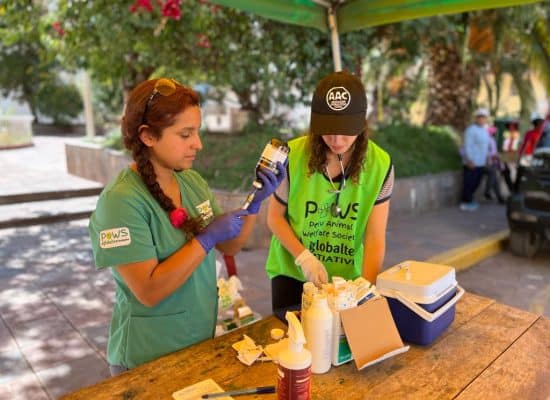
- How vet care, vaccinations, deworming and sterilisation prevent future suffering
- How community education and outreach reduce the number of animals that end up in shelters
- Why responsible care doesn’t end at adoption, but lasts for the animal’s whole life
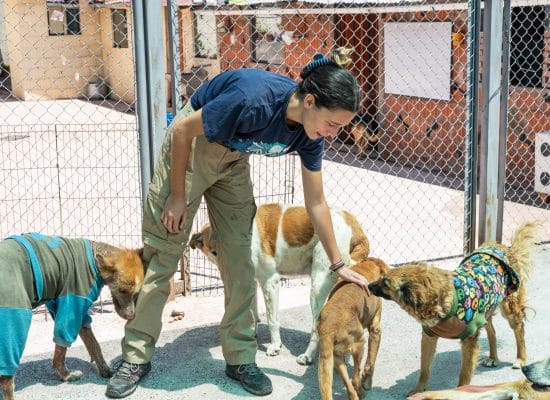
At our Cambodia Dog & Cat Rescue Shelter in Siem Reap, for example, the team cares for more than 100 rescued animals and also runs healthcare and neutering programmes in the local community. Shelters, sanctuaries and rescue centres are all part of the same wider effort to protect vulnerable animals.


Can Volunteering at a Cat and Dog Shelter Improve Your Communication Skills?
Shelters bring together local staff, international volunteers and visitors who all share the same goal. Coordinating daily tasks, sharing jobs and adjusting to another culture’s pace and way of communicating builds a kind of confidence you can’t get in a classroom. For many volunteers at the Peru Dog Rescue Shelter in Cusco, the friendships built around the dogs are as memorable as the dogs themselves.


What Personal Lessons Can You Take Away From Shelter Volunteering?
The lessons that stay with people after they leave a shelter are rarely technical:
- Patience, especially with animals that need time before they trust you
- The value of consistency, compassion and showing up on hard days
- A clearer sense of how big the stray and abandoned animal problem is in many countries
- A new way of thinking about responsible pet ownership


Why Volunteer at a Cat and Dog Shelter With Globalteer?
Globalteer offers two hands-on shelter placements, each running from 1 to 12 weeks. At the Cambodia Dog & Cat Rescue Shelter in Siem Reap, volunteers help feed, walk and socialise rescued dogs and cats and keep the shelter clean, usually for 4 to 5 hours each weekday morning. At the Peru Dog Rescue Shelter in Cusco, volunteers help care for rescued, abused and abandoned dogs. In both, you work alongside experienced local staff who guide you from your first day.

Conclusion
Volunteering at a cat and dog shelter is much more than chores. It’s a practical way to learn patience, animal behaviour, teamwork and good animal welfare, and those lessons stay with you long after you leave.


Ready to Help Rescued Cats and Dogs?
If you’re ready to put what you’ve read into practice, a shelter placement is one of the most direct ways to help. Take a look at our animal volunteering programmes and see which one fits your dates and interests. We’d love to have you.