
“Each year, hundreds of elephants across Southeast Asia finally step out of tourist camps and walk into freedom” ~ World Animal Protection.
Think about that for a second; animals that once performed tricks and faced torture now walk peacefully through forests again.
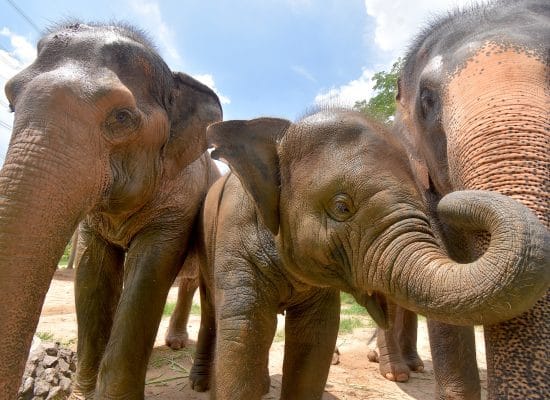
If you’ve ever thought, “I wish I could do something real,” this might be it. Volunteering with elephants in Thailand or Cambodia isn’t just another travel plan. It’s an eye-opening way to connect with nature, help communities, and protect wildlife. You’ll see how sanctuaries work, meet people who share your passion, and play a small but powerful role in elephant rescue.
Want to find out what makes this experience so meaningful? Let’s explore how ethical elephant volunteering works and why your time could make a lasting difference.
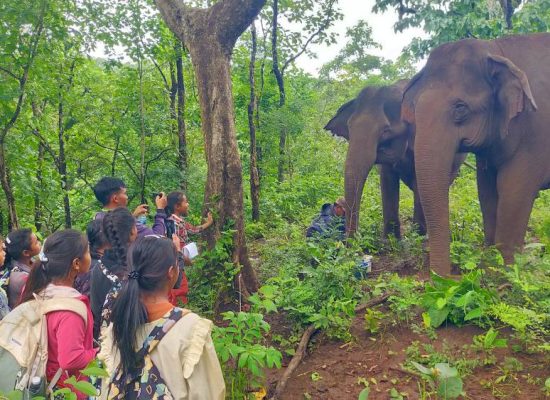
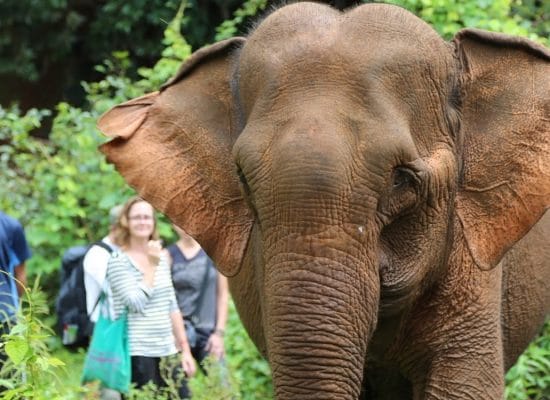
What does Ethical Volunteer Work with Elephants Really Mean?
Let’s be honest, not every spot that labels itself a sanctuary actually is one. Some continue to provide elephant rides, photo sessions with the animals, and shows to draw visitors. Real ethical volunteering avoids all of that. It’s built on respect, care, and education.
When you volunteer responsibly, you assist sanctuaries that save elephants from logging or tourism abuse. You practically take care of them by doing things such as preparing food, cleaning spaces or paying attention to their behavior.
Ethical elephant sanctuaries in Thailand and Cambodia follow strict welfare guidelines. Their focus is long-term care, not profit.
Why Choose Ethical Sanctuaries Over Tourist Attractions?
You might ask, “What difference does it make where I volunteer?”
Well, it does. Everything you do influences the welfare of elephants. There are plenty of reasons to reconsider before saying, “Yes,” such as:
- Many tourist camps continue to brutalize and chain elephants as a means of entertaining people.
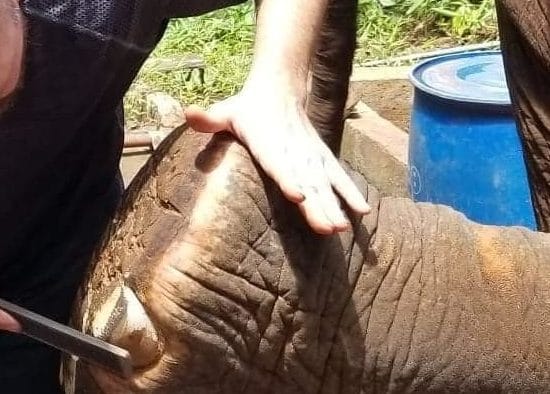
- Elephants are subjected to a brutal training process called “phajaan” (or “the crush”) to make them serve humans. It crushes their spirit and leads to long-term stress and injuries. Hence, the elephant rescue Thailand project was brought up.
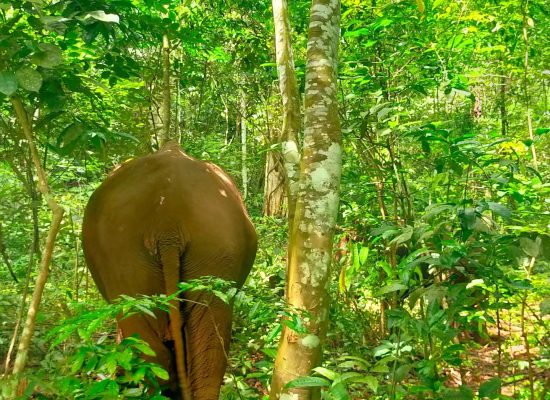
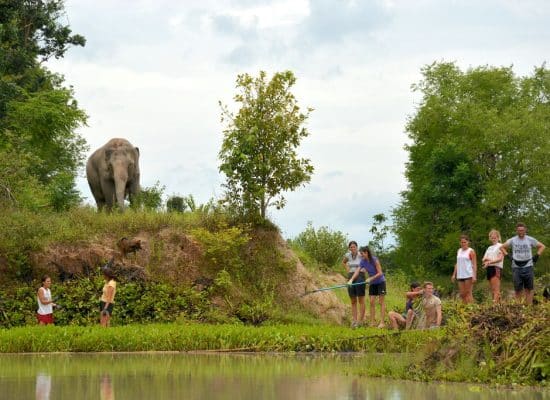
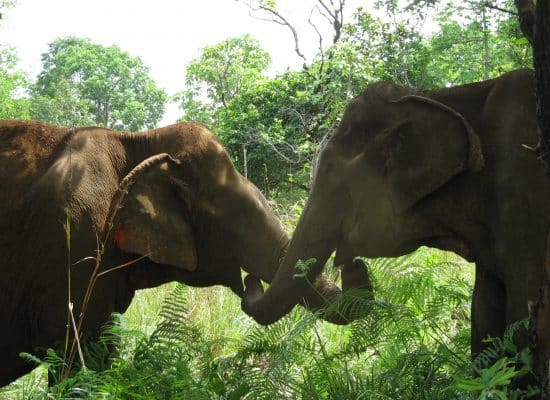
- Ethical sanctuaries are different in terms of animal volunteering abroad. They provide elephants with an opportunity to live naturally, walking through forests, bathing in rivers and developing relationships with other elephants.
By electing ethical volunteering, you invest in communities that advocate for wildlife instead of exploiting it. Read to know more about the positive impact you will make: “How Volunteering Supports Elephant Rehabilitation & Local Communities.”
What Kind of Work Do Elephant Volunteers Actually Do?
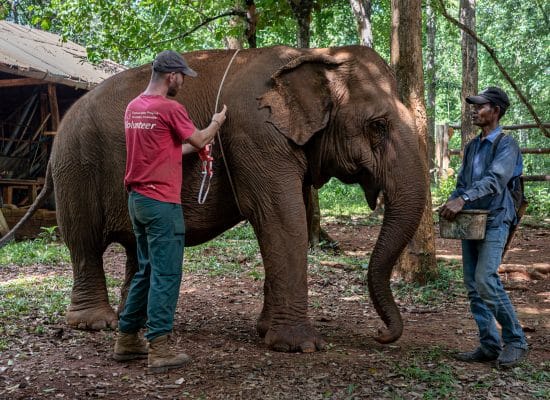
Every volunteer’s day is different, but one thing stays the same: your efforts truly matter. Each task in the elephant volunteer abroad project, big or small, helps elephants live freely and safely. Here’s a glimpse of what volunteering days might look like:
Preparing Meals for the Elephants
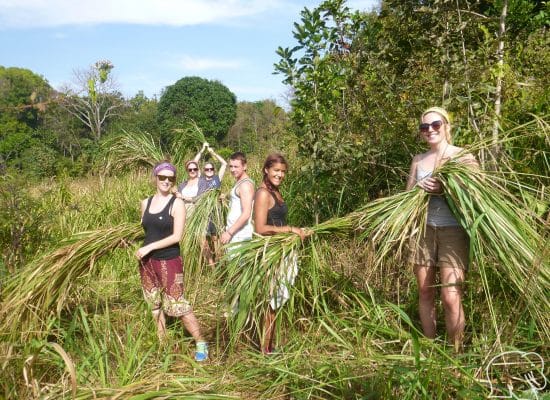
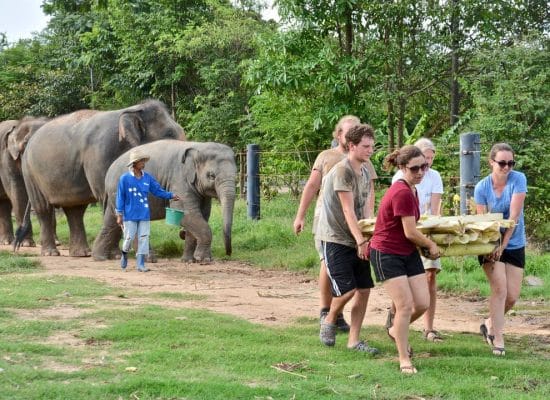
Mornings usually begin early, often before sunrise. Volunteers help prepare food made from bananas, sugarcane, and various grasses. It’s hands-on work, but deeply rewarding when you see elephants enjoying their food peacefully.
Assisting with Daily Care and Habitat Maintenance
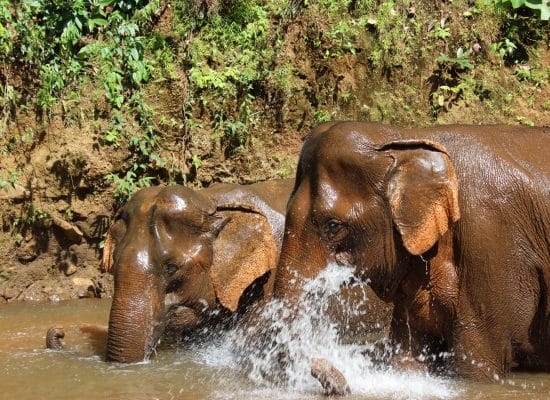
Elephants need clean and safe spaces to roam. Volunteers help wash feeding areas, collect branches, and sometimes assist in maintaining forest trails. You might also help clean water pools where elephants love to bathe and cool off.
Observing Elephant Behavior and Health
One of the most meaningful tasks involves observation. Volunteers often record elephants’ behavior, interactions, and movement patterns. These small notes help caretakers monitor health and emotional well-being.
Learning and Working Alongside Local Caretakers
You don’t need professional animal-care experience to join.
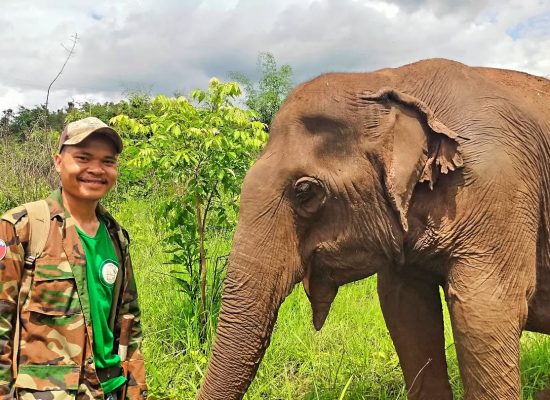
include full guidance from trained staff and local mahouts. They’ll teach you how to work safely and respectfully around elephants.
How Do Elephant Volunteer Projects Support Local Communities?
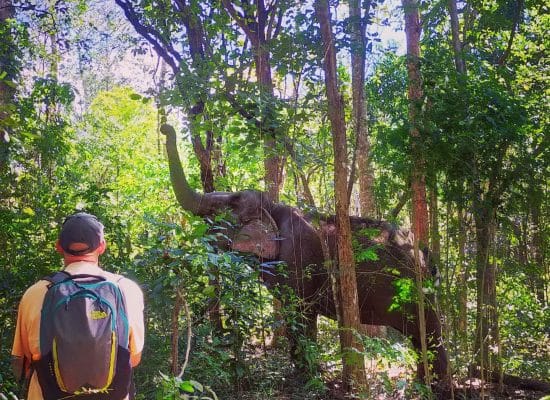
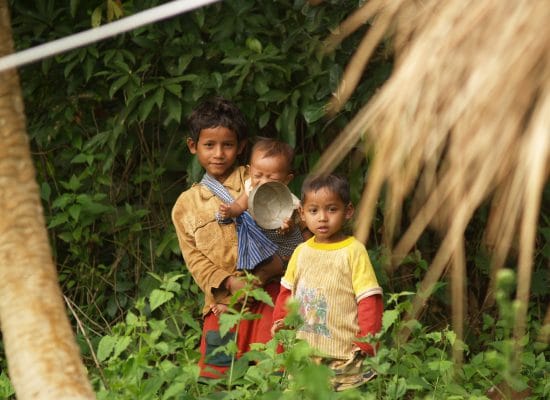
Here’s something that many people don’t realize: elephant sanctuaries also create jobs and support rural development in many ways. For instance,
- When tourists and volunteers choose ethical programs, local families enjoy fair wages as well as stable work.
- Sanctuaries buy food, supplies, and materials from nearby villages, thereby sparking a wave of new economic activity there.
- Many people also finance community education or health care projects.
By volunteering, you are part of this positive cycle. You are not just helping elephants survive; you are a force for communities to get ahead in life.
Why are Thailand and Cambodia Ideal for Elephant Volunteering?
Both countries have deep cultural connections with elephants because -
- Elephants are symbols of national pride in Thailand.
- In Cambodia, they have appeared in traditions for hundreds of years
Unfortunately, both countries also have a past of using elephants for the purpose of tourism and logging. That’s part of what makes being involved here worth it, because you get to be a solution.
Sanctuaries in Chiang Mai, Surin and Mondulkiri provide protection for the elephant to recover while living in peace. Whatever your choice, you will see elephants living in freedom: something no volunteer ever forgets.
How Does Volunteering Help Elephant Rehabilitation?
Rehabilitation of elephants is a long and wonderful journey.
- Many of the elephants are already injured or traumatized from what they have been through. Volunteers are a critical part of the healing process.
- You can start to regain their trust by feeding them healthy food, ensuring they have proper enclosures and simply being with them and around them peacefully.
- Eventually, the elephants also grow accustomed to their new environment. They become social, playing around and splashing in rivers.
If you’re curious about how you’re contributing to the elephant's being, read the following: “How Volunteering Supports Elephant Rehabilitation & Local Communities.”

What Should You Expect from the Living Experience?
Living at an elephant sanctuary Thailand volunteer work or Cambodia isn’t luxury travel, but that’s part of the adventure.
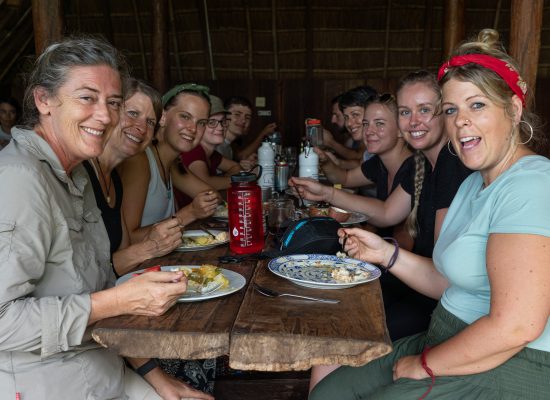
- Accommodations are simple but comfortable, and you will often share a room with like-minded volunteers from around the world.
- Meals are local, and they are extremely vegetarian-friendly.
- Days will be long and quick, yet filled with experiences, and you will have plenty of free time to explore the surrounding villages or natural sites. In Thailand, that could mean going to a waterfall or a temple. In the Cambodia Elephant Sanctuary, you might be trekking through the forest while chatting with families.
- You will also form a real bond with the elephants, the caretakers, and the other volunteers.
Many leave saying the same thing, “it changed how I see animals forever.”
What About Costs and Duration?
The fees are different depending on how long you stay and where the project is. Most programs include accommodations, food, and on-site training. There is a direct fee that goes to animal care, staff salaries, and sanctuary upkeep.
That way, your contribution funds a bigger cause. You can volunteer for one week or for as long as a few months. The longer you go, the deeper the connection will be.
If you want details on pricing, travel plans, or visa advice, you can check out “The Ultimate Guide to Volunteering with Elephants in Thailand & Cambodia.”

When is the Best Time to Volunteer with Elephants?
Thailand and Cambodia are great anytime, but the ideal months depend on what kind of experience you want.
- From November to February, the weather is cooler and drier, perfect for outdoor work.
- Between March and June, it is warmer, but the forests are lush and green.
- July to October brings rain, which means muddy paths but fewer tourists.
Whenever you go, you’ll experience something beautiful. If you want practical travel tips, packing advice, and timing insights, look out for our blog: “Planning Your Elephant Volunteering Trip: Packing, Best Time & Travel Tips.”
How Can You Choose Between Thailand and Cambodia?
That’s a tough one because both are special in their own way. In Thailand, you find more established sanctuaries and better connectivity from the major towns.
Cambodia, though, offers a quieter and more in-depth community experience.
If that seems like too much of a hassle, then perhaps Thailand is for you. Assuming you’re looking for rustic charm and a deep cultural connection, Cambodia is such a gem. Either way, you will be making an impact.
Can’t decide? Don’t worry, our next blog, “Thailand vs. Cambodia: Which Elephant Volunteering Program Is Right for You?” will help you choose.
Ready to Be Part of Ethical Conservation Volunteering Abroad?
Volunteering abroad with elephants isn’t just about animals. It’s a lesson of patience, cooperation and empathy. It is about being part of something bigger - a movement toward ethical travel and wildlife conservation.
When you walk into the forest and a young elephant takes its first steps into freedom after years of pain, you will see why it matters.
Every hour you give pushes towards a future where animals aren’t tied with chains and people view them for what they are – wild, intelligent and deserving of respect.
So, would you make your next visit meaningful? Become a part of Globalteer’s ethical elephant volunteer programs in Thailand or Cambodia and help create a better world.