
Peru is a land of wonders. You see ancient ruins, meet people with welcoming hearts, and experience diverse cultures.
However, many communities are underdeveloped and need support. Poverty is a real issue in Peru. So, volunteers are essential, and you can make a difference by contributing to various projects.

You can teach children, care for animals, preserve forests, or simply take part in cultural events. Every project you take part in leaves a lasting impact on the local communities and this is the magic of volunteering in Peru. It is more than a trip; it is a chance to change lives.
If you are thinking about volunteering abroad, this guide is for you. It covers everything including project details, costs, and daily life. So, let us explore the options and get ready for an adventure.
Why Choose Volunteering in Peru?
Peru is a unique country. For example, it has a rich history of great people and culture. The Incas lived here and their legacy still remains here.
At present, Peru faces some challenges that need external assistance. Many areas lack basic resources like water, schools need support, and rescued animals need care. As a result, volunteer programs in Peru are vital to bridge the gap and help communities grow.
Cultural Diversity and Needs
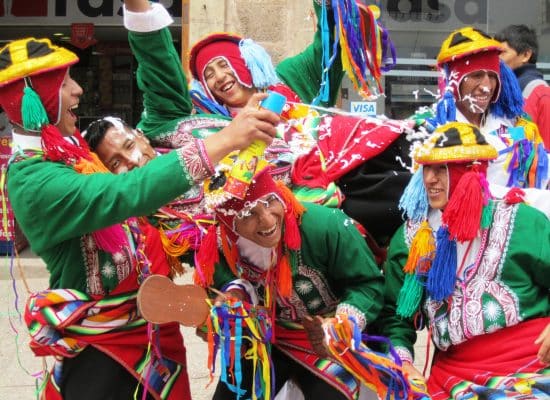
Peru has a diverse landscape. You get the coast, the mountains, the jungle, and a varied wildlife. Each region is different but its needs are similar. Education is a priority, and conservation is key to preserving their resources and culture. The communities in Peru welcome help and value your time. You learn about their culture and hospitality as a beautiful exchange.
Cusco is a Hub
Cusco is a famous region in Peru. It was the Inca capital and has a number of cultural heritage sights. Today, it is a travel hotspot for tourists who come for Machu Picchu. However, the rising need to maintain these historical locations creates many Peru volunteer opportunities. The city is safe for travellers, and people are friendly. If you want to volunteer in Cusco, Globalteer runs two programmes based in the city: supporting children at Picaflor House, or caring for rescued dogs.
Tourism and Volunteering
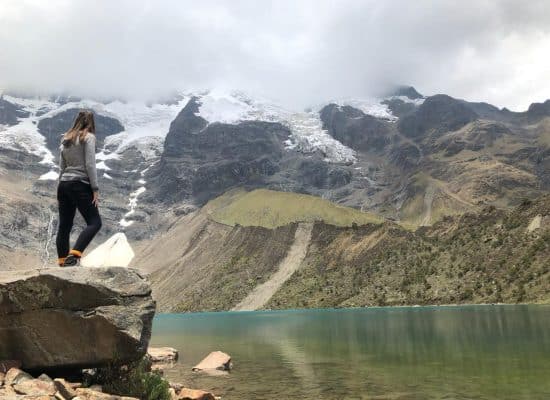
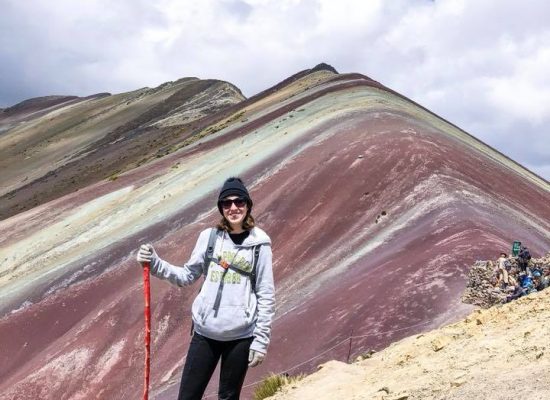
You can do both volunteering and tourism in Peru. First, you help the locals and wildlife and then you can explore. Visit the Sacred Valley for spiritual awakening, or hike Rainbow Mountain for scenic views. This lifestyle is balanced and rewarding. You work hard; afterward, you enjoy it. In other words, you do not just watch Peru’s rich heritage, you become a part of it through volunteering.
What Volunteer Programs are Available in Cusco?
There are many choices for volunteering in Peru, but you must pick the right one. Consider your skills and think about your passions. Do you love kids? Or do you love to work in nature? Perhaps you love dogs or maybe big animals like elephants. Globalteer has a project for every skill level and interest. We focus on long-term impact and safety. Check our page to know more about what we do.
Here is a quick look at our project types:
| Project Type | Main Focus | Who It Is For |
| Community & Teaching | Education & Support | Teachers & Mentors |
| Dog Welfare | Health & Shelter | Animal Lovers |
| Amazon Wildlife | Conservation & Care | Nature Enthusiasts |
Community & Teaching Programs
Education changes lives and shapes the future of any country. However, schools are crowded in Peru, and teachers have too much work to do. So, you can act as an assistant and provide extra attention or teach English in Peru. Here is how you can assist as a volunteer:
- Assisting Local Schools: You work in classrooms and help teachers with lessons.
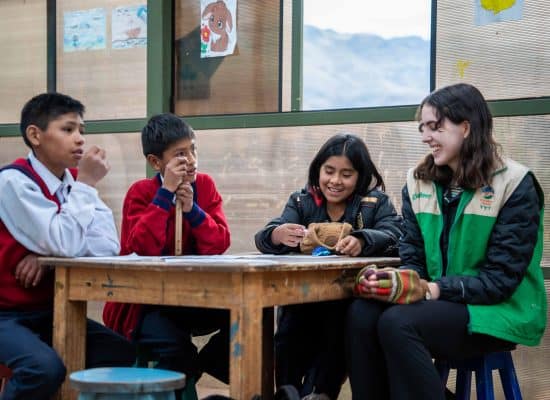
- Picaflor House: This is a special place for students. In Picaflor House, children come here after school, and they get help with homework.
- Creative Learning: You play games and help children with art. As a result, you make learning fun for them.
Check out this blog to know more about how to join educational volunteer projects in Peru and help children thrive.
Dog Welfare & Rescue
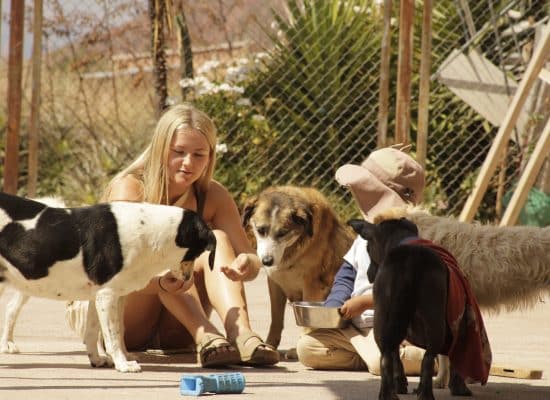
Cusco has many street dogs, and not all of them get the necessary medical treatment and care Peru animal shelters work hard to rescue these unspoken souls and you can lend a hand. Being a volunteer, you’ll get the opportunity to participate in the following activities:
- PAWS Project: This is our own animal welfare project. PAWS Project helps roaming street dogs and provides them with healthcare.
- Daily Tasks: You feed the dogs and clean their pens in shelter homes. Also, you may even walk or train them (if you are eligible).
- Ethical Care: Medical care is the most important thing for all living beings. You may provide basic treatment and medical care for rescued dogs in the animal sanctuary in Cusco, Peru.
We strive to make a real impact, and you will see the joy in a dog's eyes. Read this blog to know full details about how our volunteer projects help rescued dogs
Amazon Wildlife & Conservation
The Amazon forest is huge, and it is not possible for just the government to take care of it. Due to illegal wood cutting and poachers, animals lose their homes. So, they need protection and proper care after getting rescued. By volunteering in Peru, you can work in the jungle and remote areas with professionals. This will be a beautiful and fulfilling experience. Here is what a volunteer may do in Amazon wildlife & conservation projects:
- Forest Protection: You help keep the forest safe and help plant new trees.
- Sanctuary Tasks: While working at a Peruvian rainforest wildlife sanctuary, you prepare food for the animals, clean enclosures, and observe them.
- No Touching: We promote ethical volunteering. So, we do not allow anyone to pet wild animals or capture pictures without permission.
While working on the Peruvian Amazon conservation volunteer projects abroad, you live in nature and feel the spirit of the jungle. Click here to get a full glance at how volunteers work in Amazon wildlife and conservation projects.

How to Volunteer in Peru: Requirements & Process
Starting your volunteer work in Peru is easy. However, you must be prepared to face any situation. We guide you every step of the way and make it simple for you. Here is how to volunteer in Peru:
The Application Process
First, you apply for the volunteer program through the online portal. You tell us about yourself, and then we reach out to you. We will understand your goals and check your background. This keeps everyone safe throughout the project. Next, you secure your spot, and we send you a manual to help you prepare for the journey.
Age and Skills
There is no strict rule for joining our volunteer project abroad. Most projects are open to everyone.
- Age: Usually, you must be at least 18. However, children are welcome with their parents (under special permissions only).
- Skills: You do not need a degree or certification to be a volunteer. You just need passion and a high spirit. However, medical roles need training.
- Language: Spanish is the official language of Peru. But there are also over 70 indigenous languages, particularly Quechua and Aymara, spoken by locals. If you know these languages, it's good! If not, it works too, as we have translators who can help you understand.
Orientation
The moment you arrive at the venue, we arrange the initial orientation for the project. After that, we’ll introduce you to the team, show you the city and explain the rules. We provide complete assistance to support you during the whole volunteer program in Peru.
What Does a Typical Volunteer Day in Peru Look Like?
Every day is different during your volunteer work. However, there is a routine to give you structure and a plan for the activities.
Morning
You wake up early, and then you eat your breakfast. After that, you go to the volunteering destination by bus or you can also walk to enjoy scenic views.
Work Hours
- Teaching: You reach school at 13:00 PM. You help teachers with generic subjects like math, arts, and reading in the respective class periods. You might also join volunteers teaching English in Peru or other language lessons.
- Rescued Dogs: You clean the shelter in the morning once the dogs are out. Then, you feed them. You can take the food directly from the shelter or help with preparation as well. The working hours may differ depending on the shelter's rules.
- Wildlife: You chop fruit and feed the monkeys in the morning. Then you go to other animal enclosures to clean their pens. Or check the trails in the evening to keep it safe for everyone. It’s usually a full day of work!
Afternoon
You have a break where you eat lunch. In Peru, lunch is the main meal, so make sure to fill up your stomach a bit. Afterward, you might work more, or you might finish early. It’s up to you!
Free Time and Classes
Many volunteers take Spanish lessons in Peru in their free time. These classes are super affordable and can help you chat with locals. This will make the trip even better.
Evening
You have dinner, and then you relax. You talk to other volunteers, share stories, or might play games, and finally, you sleep.
Accommodation, Meals & Living in Peru
You need a home to stay where you can rest after a long day of volunteer work. Accommodation in Peru varies and may depend on the project:
Housing Options
- Homestays: You live with a family. This is an immersive experience. For instance, you eat with them, practice Spanish with them, and learn their ethical way of living.
- Volunteer House: You live with other volunteers in a shared space. It is fun and makes your social bond stronger. As a result, you can also make friends for life.
- Jungle Lodge: This is specific to volunteering in the Amazon. It is basic, safe, and gives you a chance to live right in nature.
Meals
Peru has a great cuisine. You may enjoy dishes made of potatoes, corn, and chicken.
- Breakfast: Usually included. Simple and fresh with eggs, bread, and milk. You can also try the local staple dishes like chicharrón de chancho, sangrecita, and jugo de papaya.
- Lunch: It is often the biggest meal in Peru. May include rice, chicken, or full-course authentic Peruvian meals. You can also try the local food like fresh ceviche (a cold dish of raw fish marinated in lime juice), lomo saltado (stir-fried beef), and ají de gallina (creamy chicken stew).
- Dinner: Sometimes you cook, sometimes the homestay family cooks. The dinner in Peru is usually lighter than lunch and is called Cena. You can have popular options like lomo saltado, ají de gallina, pollo a la brasa (rotisserie chicken), or even just a sandwich, tea, and bread.
Transportation
Getting around Peru is cheap. You can take a bus or hire a taxi at very low prices. We help you learn the routes, so it feels like an adventure.
Packing for Your Volunteer Project Abroad
The weather in Peru changes fast, so pack smartly. It can be hot & dry one week and cold & rainy the next. Here is a mini Peru packing list:
- Warm layers (fleece, jacket).
- Comfortable shoes (hiking boots).
- Rain jacket (essential).
- Sunscreen (high altitude sun is strong).
- Insect repellent (especially for the jungle).
Click here to get the full checklist on how to pack for volunteering in Peru.

How Much Does It Cost to Volunteer in Peru?
To be honest, volunteering in Peru is not free! You pay a fee which covers your stay, your food, and other formalities. Let’s discuss the true costs:
What the Fee Covers
- Accommodation: Your bed and room.
- Meals: Daily food.
- Transport: Daily transport and airport pickup.
- Support: Our staff is there 24/7.
- Donation: Part of the fee goes to the project. Thus, this also buys supplies and keeps the lights on.
Why It Is Not Free
Organizations have bills and rent, too, and support staff for volunteers. We do not get any funds from the government, so we rely on fees. Also, we believe in supporting the less fortunate in every program with real resources. So, when you volunteer abroad in Peru with Globalteer, you support their economy! See how we fundraise for local communities to help them thrive.
Tips for Responsible & Ethical Volunteering in Peru
We want to do good for the wildlife and people. So, our volunteer programs must be ethical. Here are some guidelines we adhere to and expect every volunteer to follow:
Respect the Culture
Peru is traditional and people are polite. So, always say "Buenos Días" to greet them. Also, ask before taking photos of local shops and animals. Be humble, learn from them, and do not break the local rules.
Animal Welfare
Be careful with animals. Do not pay anyone to take photos with wild animals or ride them. Only work with good non-profit wildlife animal sanctuaries. A real Peru animal shelter cares for health first, not benefits. For example, in the Peru dog rescue program, we focus just on providing essential care to animals without any intention to exploit them via tourism.
Long Term Goals
We want lasting change, not quick fixes. Your work continues even after you leave. Specifically, the next volunteer picks up where you left off. So, trust the process.

How to Get Started
Are you ready for volunteering in Peru with Globalteer?
Take the leap; it will surely bring a change to you. The physical and mental presence will make you stronger and kinder. You will see the world differently.
Visit our application page, read the details, talk to our team and we will answer all your questions. Do not wait; the best time is now. Join us in Cusco, where you can finally make a difference that will last for years to come.
Made up your mind? Visit our page to apply to volunteer abroad.