
Most people don't have three months to spare. Between work, study, and family, two weeks is often the most time anyone can take. That's why short-term volunteering abroad keeps growing, and why one recent volunteer-travel guide found the average placement has dropped to just twelve days.
So, can two weeks actually make a difference? The honest answer is yes, but only if you choose the right project. Here's how to tell.
Why Are Volunteer Trips Getting Shorter?
The reasons are practical. Annual leave is limited. Flights and time off work cost money. Students often have a short gap between terms, not a full year. For many people, the choice isn't between two weeks and three months. It's between two weeks and not going at all.
That's not a bad thing. It just means the project you choose needs to be set up for short stays.

Can You Really Make a Difference in Two Weeks?
It depends on who keeps the work going after you leave.
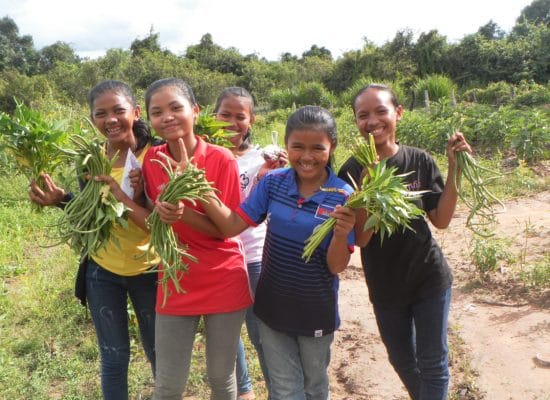
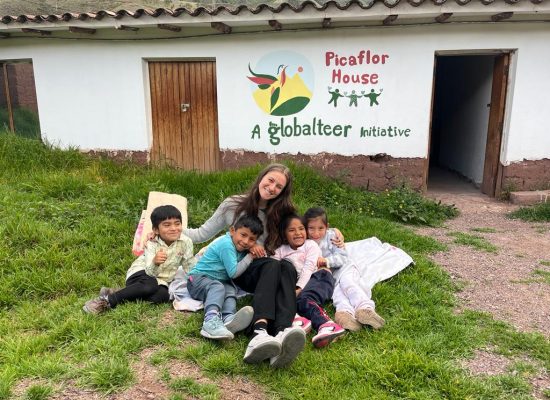
At a well-run project, local staff provide the continuity and volunteers add extra hands. At Picaflor House, our after-school project near Cusco, permanent local teachers lead the programme year-round. Volunteers support lessons that are already planned, help with homework, and run activities alongside staff. The children's routine doesn't depend on any single volunteer.
Animal care works the same way. At the Peru Dog Rescue, the work happens every day no matter who is there: feeding, walking, cleaning kennels, and socialising dogs that are learning to trust people again. Two weeks of reliable help with that routine is real, useful work.
The projects to be wary of are the opposite: ones where volunteers are the programme, and nothing continues when they go home.
Inside Picaflor House, Our After-School Programme in Peru
Picaflor House is in Oropesa, near Cusco. It gives local children a safe place to go after school while many of their parents are still at work, with homework support, food, and time to play.
What Can Two Weeks Do, and What Can't It?
| Works well in two weeks | Harder in two weeks |
| Daily animal care at a rescue or sanctuary | Leading your own classes |
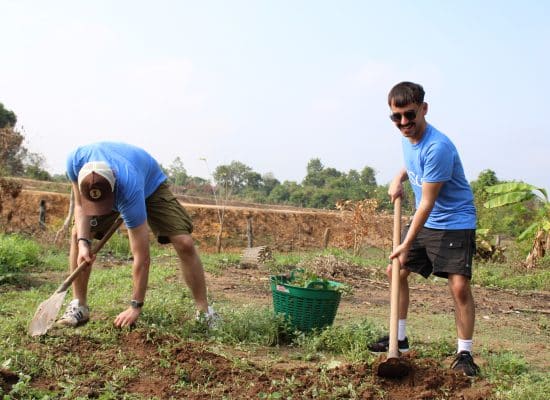
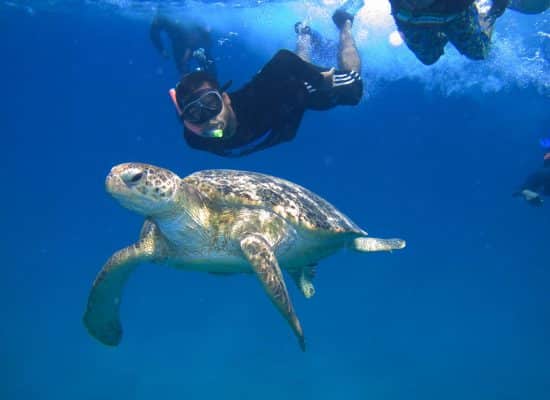
| Conservation fieldwork and habitat work | Building close relationships with children |
| Farming and garden projects | Roles that need fluent Spanish or Khmer |
| Supporting lessons led by local teachers | Training staff in specialist skills |
| Practical tasks like painting or building repairs | Long-term project planning |
If a short programme promises you'll lead a classroom or "transform" a community in a week, treat that as a warning sign.
How Can You Tell if a Short Programme Is Ethical?
A few quick checks go a long way:
- Local staff lead the work. Volunteers should support the project, not run it.
- Your role is clear before you arrive. You should know what you'll be doing each day.
- Children's projects have safeguarding rules. Expect a background check and a child protection policy.
- There's an orientation. Even a short placement should start with a proper introduction to the project and local culture.
- The organisation is open about fees. You should be able to see where your money goes.

How Do You Get the Most Out of Two Weeks?
Short placements reward preparation. A few habits make a real difference:
- Learn some basic phrases before you arrive. A little Spanish or Khmer helps you settle in faster.
- Ask staff what's most useful, rather than arriving with your own plan.
- Show up every day, on time. Consistency matters more than enthusiasm.
- Save the sightseeing for weekends, so project days get your full energy.
- Stay involved afterwards. Many volunteers keep helping by fundraising or donating once they're home.
When Is It Worth Staying Longer?
If you want to teach, build relationships with the children, or improve your Spanish, four weeks or more gives you time to settle in and take on more. Our placements run from one to twelve weeks, and our combined placements let you split a longer stay between two projects.
But if two weeks is what you have, that's still worth doing well.

Is a Short Volunteer Trip Right for You?
Two weeks won't change the world, and any organisation that says otherwise isn't being honest. What it can do is add steady, useful help to a project that local staff keep running all year.

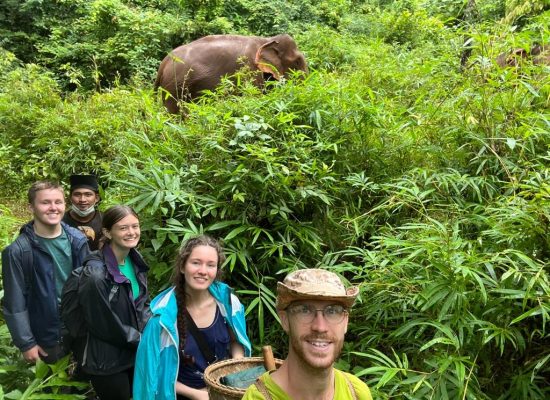
Take a look at our volunteer programmes to see which ones suit a shorter stay. If you're not sure, get in touch and we'll give you an honest recommendation. We'd love to have you.