
Traveling doesn't have to mean just sightseeing. Many people find their most memorable trips come from volunteering with children abroad. It's a chance to see a country from the inside and spend time with kids who could use an extra hand, a friendly face, and a sense of consistency in their day.
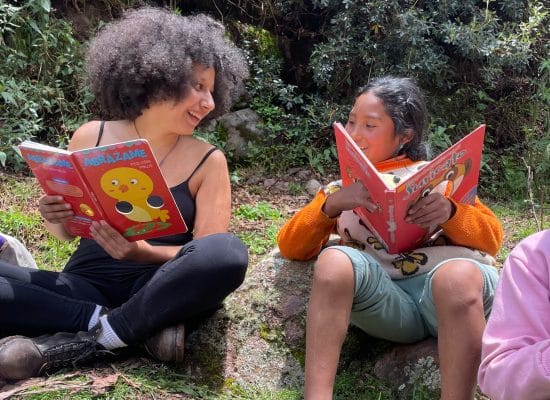
Is Volunteering With Children Abroad Right for You?
Not every traveler is suited to this kind of placement, and that's okay. It helps to know what to expect before signing up for a volunteer abroad program.
The Qualities That Make a Good Volunteer
Patience, flexibility, and a willingness to work alongside local staff matter more than formal qualifications. Consistency, punctuality, and dedication carry more weight than a polished CV.
What to Expect When Working With Children and Local Communities
Program days are built around existing schedules, school, meals, community life, not the volunteer's. You'll typically be paired with a local staff member for the first few days and are expected to observe closely before taking on any activity independently.
Understanding Your Role and Responsibilities
You're there to support, not to lead. Direction comes from local teachers and caregivers, with volunteers assisting alongside them. Understanding that early on is one of the key differences between a volunteer who thrives and one who struggles.

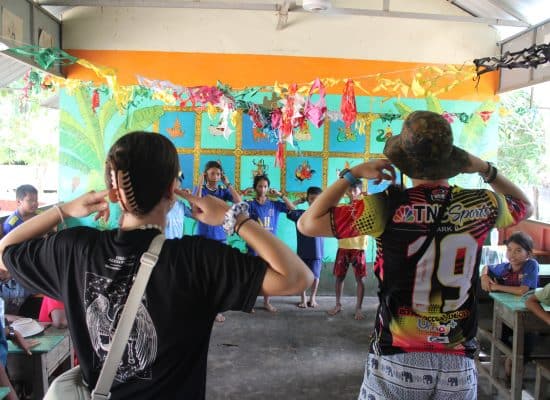
Ways You Can Support Children During Your Trip
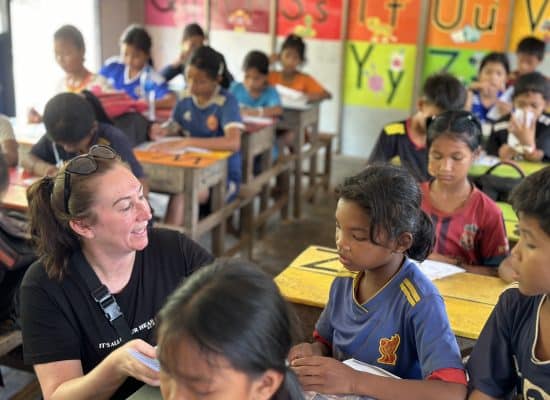
Once placed, volunteers typically take part in a mix of volunteer projects based on what a community needs that week.
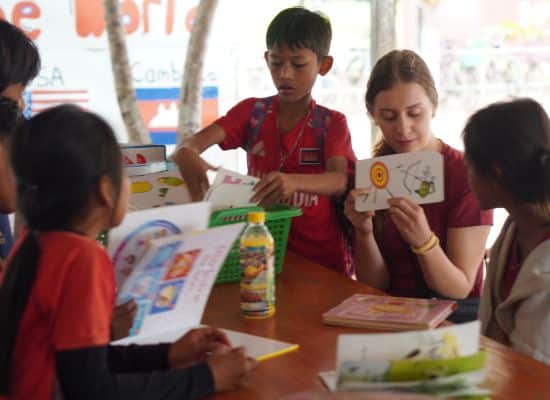
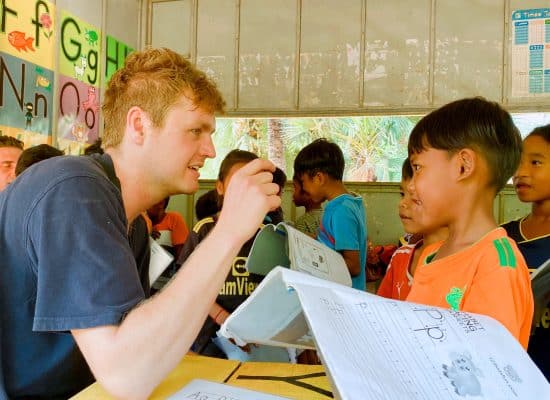
- Educational support: Homework help, reading practice, and English lessons alongside local teachers
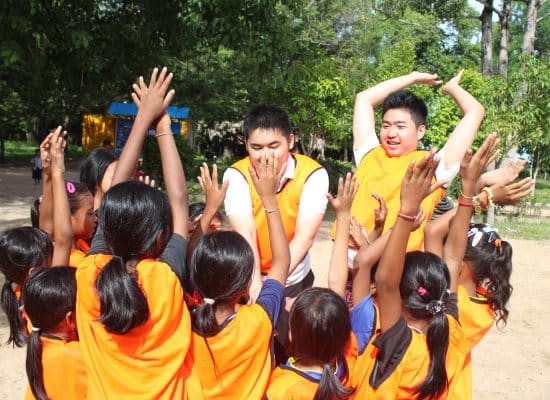
- Creative, sports, and recreational activities: Art, music, and games that give children a break from the classroom
- Community support: Small tasks that help the wider community, like maintaining play areas or keeping classroom resources up to date
- Skill-sharing, not just teaching: A two-way exchange with local staff, not a one-way lesson
What Should You Know Before Volunteering Abroad?
It's worth understanding the practical side of a placement before signing up, since requirements vary by program. Different volunteer abroad programs handle this differently, so it's worth checking directly with them rather than assuming your experience will match a friend's from a different program.
- Eligibility:Most placements have a minimum age requirement and a brief application process, sometimes including an interview
- Health checks: May require proof of certain vaccinations or a general fitness-to-travel note
- Orientation: A brief induction on arrival covering local customs, safeguarding basics, and what a typical day looks like
- Pre-departure knowledge: Many charities point volunteers toward safety tips for traveling abroad, covering things like local transport and staying safe day to day

What Can You Gain From the Experience?
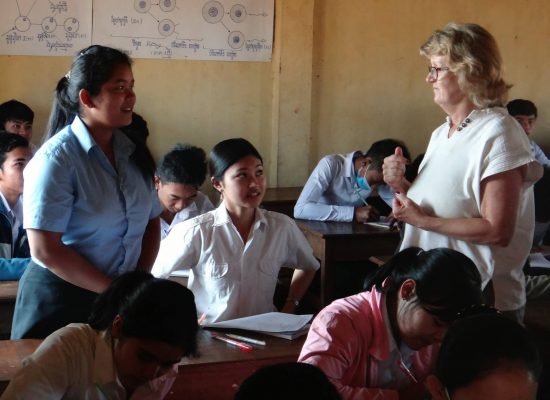
This isn't a one-way exchange, in most cases, volunteers gain as much as they give. Here's a quick look at what that typically includes.
| Area | What You'll Gain |
| Practical skills | Teaching support, project coordination, basic first aid |
| Confidence | Comfort operating in an unfamiliar environment |
| Cultural understanding | A closer, less touristic view of daily life |
| Relationships | Connections with local staff, fellow volunteers, and children |
Choosing a Responsible Children's Volunteer program
Not all placements follow the same process, so it's worth looking closely, and child safeguarding is never optional. A good organization will be upfront about how it screens volunteers and won't dodge questions about how a project actually runs before anyone gets near a classroom.
What to Look for When Comparing Programs
Check for background checks, a written child protection policy, and an organization that works with local communities, not just in them. Transparent pricing and a clear breakdown of where fees go are also good signs. If an organization can't explain its answers clearly, that's typically a red flag.
The Importance of Child Safeguarding
Safeguarding isn't a box-ticking exercise. It should shape how a project is staffed, how volunteers are screened, and how carefully children's daily routines are protected from disruption. Any organization worth working with takes this seriously, no matter how appealing the placement looks otherwise.
Questions to Ask Before Committing
Before committing, ask whether the organization has a formal Child Protection Policy and whether all volunteers, not just some, undergo background checks. It's also worth asking who runs the project day to day, whether that's the charity itself or a local operator, and what training is provided before you're introduced to the children.
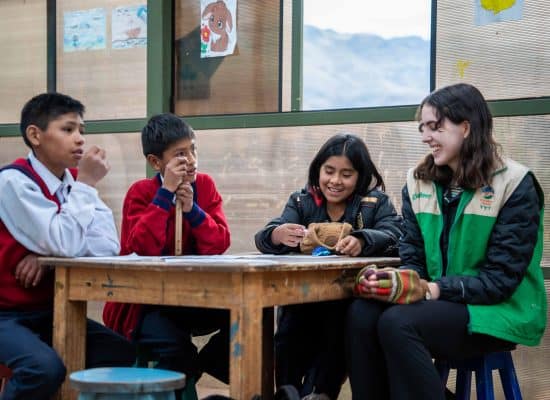
Why Choose Globalteer for Your Volunteer Experience?
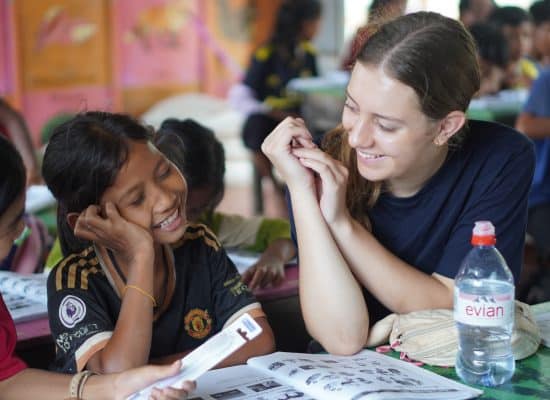
Globalteer builds long-term relationships with communities in Peru, Cambodia, and beyond, not just short visits. You won't be working independently; guidance and support are there throughout your placement. Whether you're considering a career break or gap year volunteer programs, this is a meaningful way to spend that time, and you still get to explore a new place with real purpose.
Ready to Combine Travel With Something More Meaningful?
When choosing a gap year volunteer program, think about what kind of impact you want from the experience, whether that's a place you helped, a memory you'll carry with you, or simply time you can look back on with pride. Whichever program you choose, research it thoroughly, ask specific questions, and don't skip the safety advice that any reputable charity should be glad to provide.

Start Your Volunteer Experience With Globalteer Today
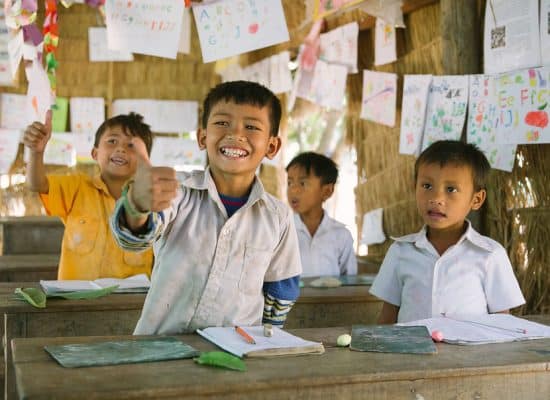
Looking to make your next trip more than just a holiday? Deciding to volunteer with children overseas is often one of those choices that stays with you long after you're back home. Check out Globalteer's placements and speak with the team.