
Travelling across the world is easier than ever. More and more people are closing up shop, packing their bags and taking the leap to explore. This phenomenon brings plenty of benefits: it boosts local economies, strengthens global connections, and deepens our understanding of different cultures. Yet, it’s not all positive.
Planning a Responsible Trip Abroad
Some forms of travel take advantage of host countries, leaving behind environmental, economic, and social harm. Thats why I’ve put together a list of top tips to help you plan a responsible trip. Not only will it help ensure you’re not negatively impacting the places you visit, but it’ll also lead to a more enjoyable and authentic experience.
1. Do your research
Not a revolutionary suggestion of course; the more research you do the better! Now, despite being a Gen-Z I would urge you to stray away from TikTok: most of the suggestions are very generic and you end up surrounded by other tourists. I prefer reading travel blogs as they offer different and honest opinions. Some of my favourites are Nomadic Matt, South America Backpacker, Along Dusty Roads and the good old Lonely Planet. Another benefit to research is for people who are not as comfortable travelling across the world. Reading these articles can give you a taste of what’s to come and manages expectations! Most importantly, it helps you make informed and ethical decisions for your trip, but more not that later.
2. Choose your tours wisely
For many countries especially those developing, tourism has become ever more important for the economy. Habitants of touristic hotspots rely on this sector to make a living. Yet, as more tourists arrive, you see a rising number of package tours organised by foreign companies. Although these are usually high-quality, the money is not put back into the country but exported internationally. This is why research is vital as you can find the best tours that also support the local people. Importantly, many foreign companies overcharge online and usually you find the best rates from native companies. They know the best routes and you can avoid the crowds with them.

3. Travel throughout the seasons
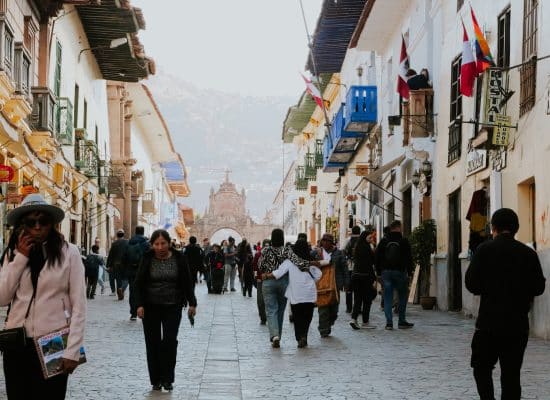
Booking a holiday in the off-season seems counterproductive. However, in this time you find better deals for tours, experience places with less tourists and equally help the local community. Places which rely on tourism can really suffer during the low season and additionally struggle to manage the large numbers during the popular time. Choosing the low season balances out this issue and, in my opinion, offers a more authentic and relaxing trip.
4. Learn the Local Phrases
You don’t have to be a master linguist to pick up some of the local phrases. Write down a list to look over on the flight there with key words you may need. I always think it’s great to at least know “please” and “thank you”. Knowing some phrases is not just about making travel easier but also communicating with local people and creating connections along the way. Over the years, I have found the best travel tips simply from chatting with a fruit seller on the street or a waiter.

5. Avoid the package holidays
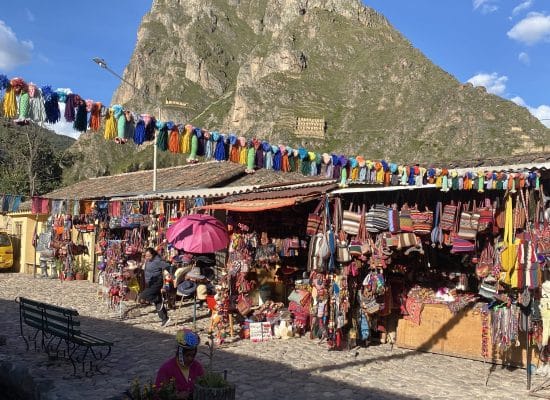
I understand the appeal of package holidays. They are hassle-free, all-inclusive and come with a range of activities for cheaper. However, as they are owned by large cooperations, they rarely contribute to the local economy. Countries who rely predominantly on tourism as their main economic activity, find that these places drain their resources without giving anything back to the community. Equally, you rarely travel outside the boundaries of the hotel walls, so you do not tend to see the real side of a country on these holidays. There are many boutique lodges to stay which support a local business and will be able to give you the best advice during your trip.
6. Eat local
I understand that it can be daunting to try local dishes in a new country. Hygiene regulations vary from place to place; water is not always clean. However, I am here to encourage you to branch out and eat locally when travelling. Some of the best food I have ever eaten has come from street stalls and restaurants undetectable on google maps. A good indicator of delicious food is a queue of local people or a one dish place. In Peru many places only serve one dish a day, so you know you are getting the best of it. Importantly, eating the local cuisine opens your mind to new flavour combinations that you can bring home with you.
If you are still hesitant about this idea, ask a guide for their favourite place, they always know the best spots.


7. Do your bit for the local environment
Go wild on holiday, find a different version of yourself they say but... respect the environment whilst doing so, Travel is a time to relax but not so much you become complacent about environmental consequences. Countries have different regulations so you may still find a lot of plastic cups and straws scattered about. Don’t take this as a sign to stop caring but importantly, to care more! A good way to reduce plastic is to bring your own water bottle, even better a filter one when clean water is not readily available. I have used a Water-to-Go bottle for many trips; they are so useful. As for eco travel, there are a few more tips for that below.
8. Take Public Transport
Reducing your carbon footprint can be difficult whilst travelling. Yet, one simple way is to take more public buses and trains instead of taxis. Yes, public transport can be complicated in our own cities let alone in a new one, but I urge you to give it a go. It’s a bit of an adventure, new routes, novel driving customs and if you're lucky some snacks to dig into. I have always liked trying a new transport system abroad; there are always people there to help you on the way!
9. Travel Slower and Go off the beaten track
In the digital age, everyone wants to go everywhere then post the proof online! It’s hard not to feel like you're missing out when this type of travel is paraded into front of your eyes. However, this is the time to embrace travelling slower; not hopping quickly from one place to another. When you spend more time in a particular area, you can explore lesson common routes and truly get to know the surroundings. As a bonus, slower travel often means fewer flights, buses or car journeys – making it a more sustainable choice too!
10. Volunteer and Give back to the community
One of the easiest ways to ensure you travel more responsibly is volunteering. Even if you dedicate a week of your travel time to give back to the community, you can make a difference. We have a variety of volunteer programmes all over South America and Southeast Asia. Whether you are an animal lover, passionate about teaching or want to do you bit for the environment, we have something for you. Volunteering is also the perfect opportunity to meet people from around the world and connect with the local population. Do not hesitate to check out your options below!