
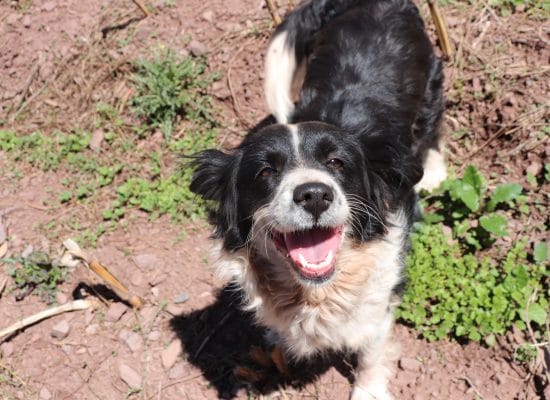
Life on the street is hard for any dog. Without someone to care for them, they face hunger, traffic, illness, and a constant fear of humans. Most street dogs aren't aggressive, just overlooked. Volunteer projects help build the trust behind real street dog rescue and rehabilitation, starting small: a regular mealtime, a calm voice, a bandage changed with care.
Here's how that kind of consistency adds up to a safer life for a street dog.
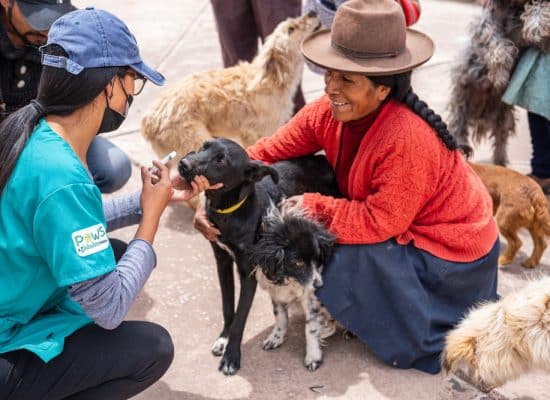
Could You Be the Right Person to Help a Street Dog?
Not everyone who loves dogs makes a good shelter or street worker, and that's okay. The work takes patience, calm energy, and a willingness to learn, since rescued dogs come from such different backgrounds and each one responds differently to people.
Some qualities that make a good dog rescue volunteer:
- Comfortable with uncertainty and slow, incremental progress
- Willing to follow local staff instructions, even when they go against instinct
- Physically fit enough for outdoor, hands-on tasks
- Genuinely patient with dogs that are shy, reactive, or still healing
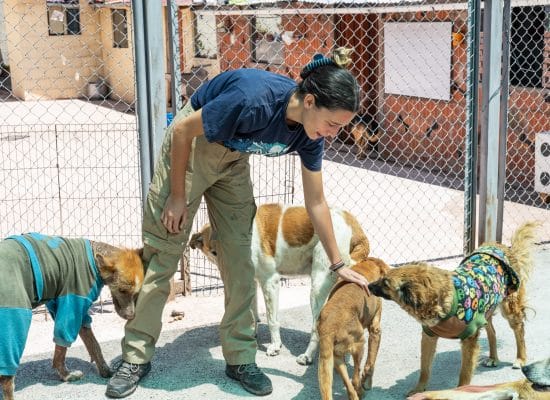
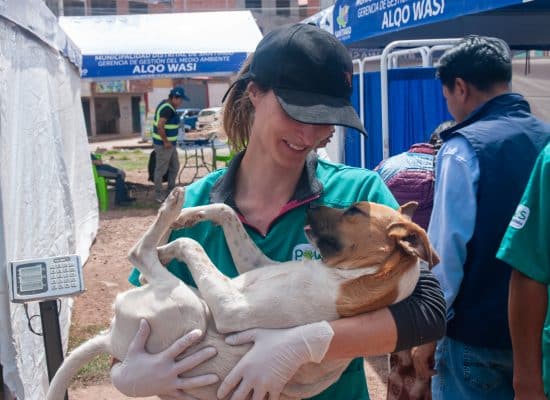
From Food to Friendship: Where Can Volunteers Help?
Rescue work isn't as dramatic as it looks in photos, and that's a good thing. What helps animals recover is consistency, not heroics.
Most volunteer projects follow a similar daily rhythm. Common volunteer tasks include:
- Assisting with feeding and basic health checks
- Cleaning kennels, yards, and shelter spaces to reduce disease and stress
- Supervising gentle socialization with other dogs and people
- Supporting the local team with day-to-day tasks such as laundry, walking, and enrichment
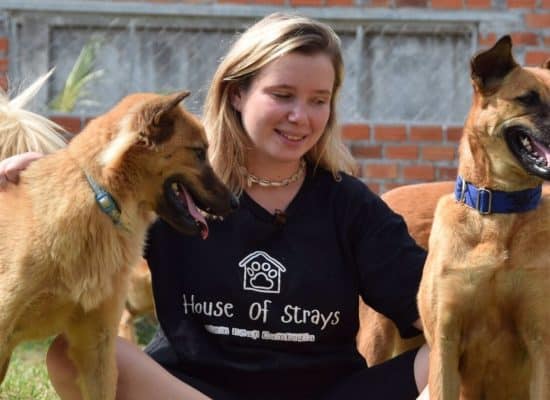
Whether you are an experienced handler or a first-time dog rescue volunteer, the Cambodia Dogs & Cats project is built around this same rhythm: practical care, repeated over time.
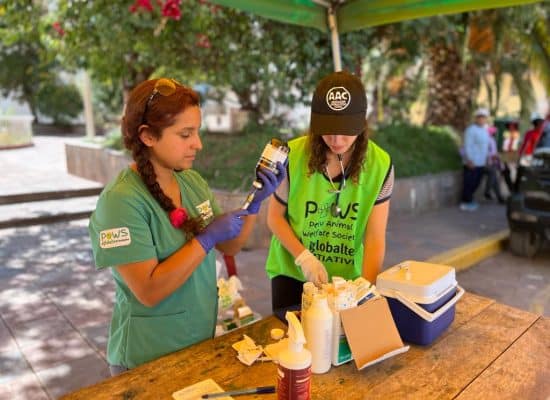
Before You Volunteer, What Should You Really Know?
A little preparation goes a long way. Most reputable volunteer programs abroad cover these essentials during orientation, but it helps to know what to expect before you go.
Common Requirements for Animal Volunteering
Placements generally require at least 1-2 weeks and a reasonable level of fitness. You don't need any prior experience with animals: onsite training is standard at reputable volunteer programs abroad.
Learning How to Approach Unfamiliar Dogs Safely
Before touching a dog, volunteers learn to read its body language: a tucked tail, flattened ears, or a stiff posture are all signs to slow down. This simple habit protects both the volunteer and the animal.
Understanding Animal Behavior and Personal Boundaries
Each dog has its own comfort zone, and respecting it matters as much as affection does. Volunteers are taught to recognize signs of stress and give the dog space, rather than assuming every dog wants the same kind of attention.
Why Volunteers Should Follow the Guidance of Experienced Caregivers
Local staff know the history, triggers, and progress of each dog far better than a guest in their first week. Following their guidance is one of the easiest ways to stay safe, even when it doesn't feel like common sense.
Beyond Rescue: How Everyday Care Builds Trust
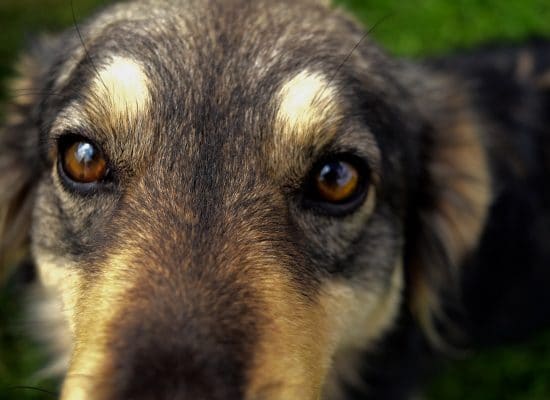
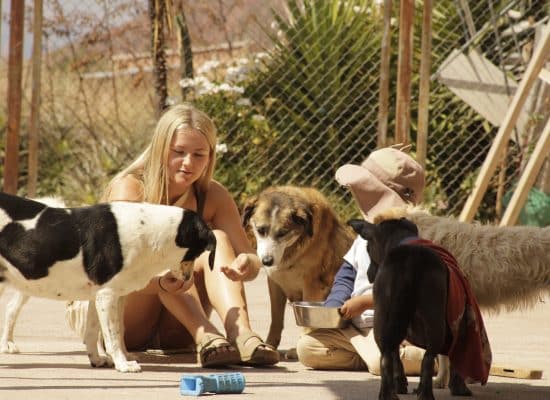
Rescuing a dog off the street is just the beginning. What happens afterward determines whether that animal will ever feel safe around humans again, and it rarely comes down to one dramatic moment.
- The dog is allowed to approach on its own terms, without being coaxed or picked up before it's ready.
- Trust matters more than affection: volunteers who show up at consistent hours each day build more trust than those who show up sporadically.
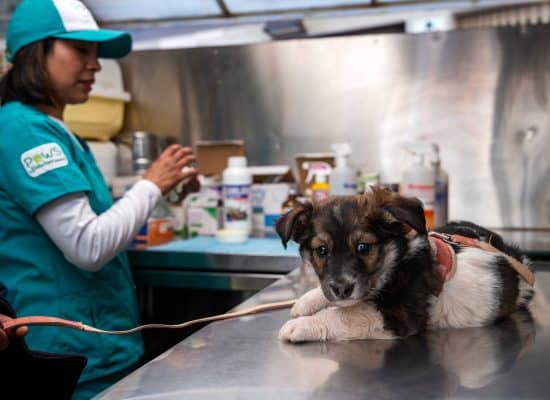
- No one fixes a dog by working alone; recovery is a collective effort between volunteers, vets, and long-term local caregivers.
- Small wins, like a wagging tail, eating in front of someone new, or accepting a leash, are real signs of progress, even if they look unimpressive from the outside.
How Do You Recognize a Responsible Dog Rescue Program?
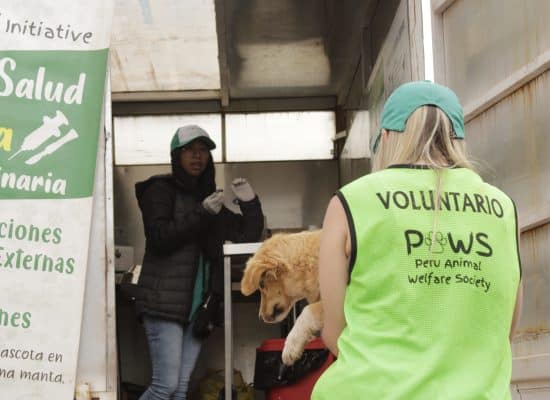
Not every animal-placement facility is created equal. Emotional photos and tempting offers don't always mean a good project.
| What to Look For | Red Flag | Good Sign |
| Animal contact | Unsupervised handling of wild or unpredictable animals | Structured, supervised interaction only |
| Local involvement | Volunteers replacing paid local staff | Local caregivers leading, volunteers supporting |
| Transparency | Vague answers about where donations go | Clear reporting on impact and finances |
| Long-term care | Dogs used mainly for volunteer photos | Focus on rehabilitation and, where possible, rehoming |
When researching a placement, ask the organization directly about its approach to animal welfare, how local staff are involved, and what happens to the animals once volunteers leave. See Globalteer's guide to how to recognize an unethical volunteering organization.

Why Make Globalteer Part of Your Animal Volunteering Journey?
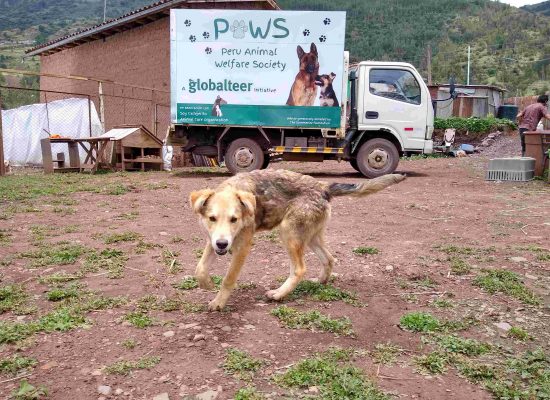
Globalteer runs its animal projects through long-term partnerships with local teams, so the work is based on what the animals in that community actually need.
Opportunities to Contribute to Animal Welfare Projects
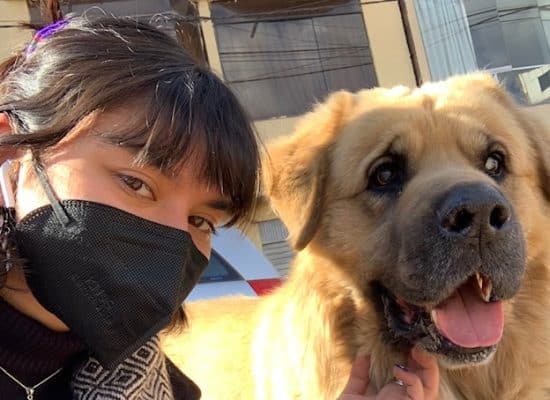
Whether it's the Peru Dog Rescue program or the Cambodia Dogs & Cats project, volunteers join local staff in the day-to-day work of caring for animals that need shelter.
Working Alongside People Who Understand Local Needs
Each placement relies on local, professional staff who understand the animals, the culture, and the practical realities on the ground. Volunteers support that work; they don't replace it.
Support and Guidance Throughout the Volunteering Experience
Pre-departure training and onsite orientation prepare volunteers for what to expect, so they know how to help safely and effectively from day one.
Discovering Cambodia While Contributing to a Meaningful Cause
For volunteers placed in Southeast Asia, Cambodia offers the chance to explore a country rich in culture and history, alongside work that takes steady hands and real effort.
Ready to Turn a Little Kindness Into Something Bigger?
It's not about finding the "best" project. It's about finding the right fit: for some, that's a street dog rescue project; for others, a wildlife project; for others, a community project. Find a volunteer program that matches your interests and the time you have, and get ready for a trip that mixes sightseeing with hands-on work.
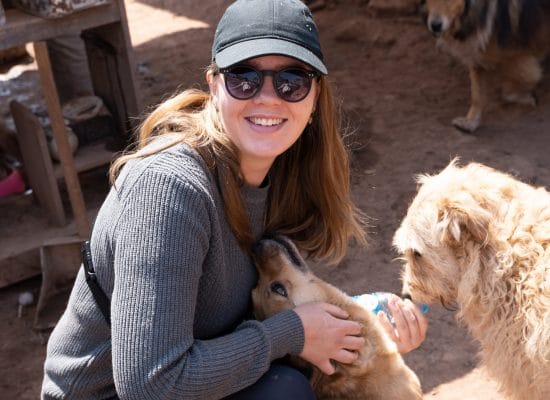
Real change rarely starts with one big action. More often, it starts with someone showing up again and again, until a frightened animal realizes the stranger is safe.
Give Your Time, Share Your Kindness, Change a Life
Saving a stray dog's life rarely happens in one go. It relies on people willing to show up again and again for street dog rescue work, with patience and care. If you're ready to be part of that story, explore Globalteer's animal care volunteer programs and apply to volunteer abroad today. Your time really can make a difference.