
In Peru, English opens doors for young people, from doing better at school to landing a first job in tourism. That is a big reason why many volunteers choose to teach English in Peru: you help local students build their future while getting to know a new culture. Done responsibly, it also builds real partnerships with the community. In this guide, we look at why English matters, how volunteers get involved and what you can expect.

Why Is English Education Important for Students in Peru?
Language is more than a school subject. It shapes how students learn, work and see themselves, and well-planned education support makes the biggest difference for children.
- English is widely used in tourism, business and higher education, so even basic skills can lead to more opportunities
- Reading and writing in English connects students with books, websites and the wider world
- Speaking practice builds confidence in class and in everyday life
- Many students have few chances to use English outside school, so extra practice really helps


How Can You Teach English in Peru as a Volunteer?
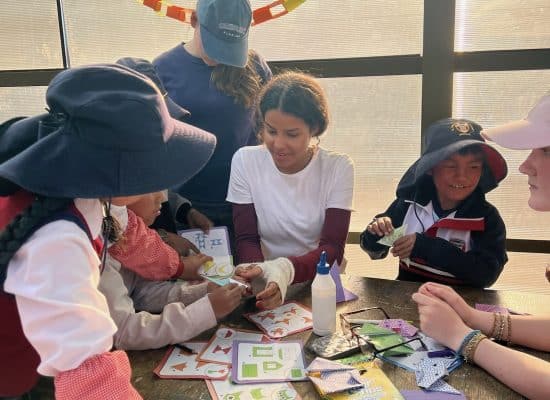
Most volunteer placements in Peru support teachers rather than replace them. At Globalteer’s community education projects, volunteers help local staff with English, homework, arts, games and sport. Your tasks could include:
- Joining class activities and helping students practise speaking English
- Working with small groups on vocabulary, pronunciation and reading
- Running lively activities with games, songs and pictures
- Adapting tasks to each student’s age, level and learning style

What Can You Teach Students in Peru?
Think small and practical. A few phrases students can use straight away are worth far more than a long list of grammar rules. Songs, flashcards and short quizzes all help, and repeating phrases over several lessons helps them stick.
Speaking and Listening
Start with simple, everyday vocabulary such as greetings, classroom instructions, family members and hobbies, and build in short speaking and listening tasks. Conversation builds confidence, even when the grammar is not perfect yet.
Reading and Writing
Match the task to the age group. Younger children might label pictures, while older students can write short sentences. Real-life scenarios, like buying something in a shop or introducing yourself to a new friend, keep it useful.

How Can Teaching English Support Local Communities in Peru?
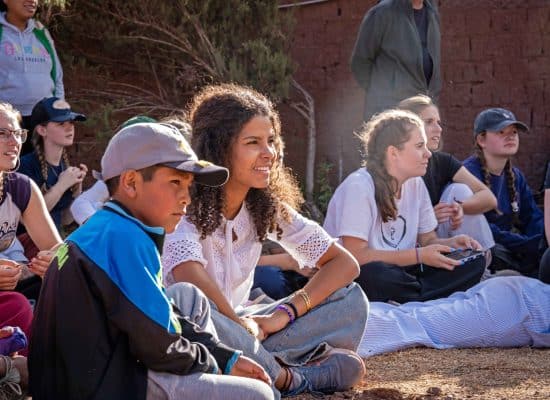
Teaching English does more than build language skills. It can also strengthen the community around the classroom.
Creating Opportunities for Students
Better English can open the way to further study and future jobs. The education support that lasts is long-term and led by local people.
Supporting Local Teachers
The best volunteering supports local teachers and their programmes rather than replacing them. To teach English in Peru responsibly, look for projects where local staff lead the way. Our guide to education volunteer projects in Peru shows how this works in the Cusco region.
Building Positive Relationships
Learning together builds trust between volunteers, students and staff. Volunteers who stay longer tend to form deeper bonds, which often makes lessons more effective.
Contributing to Community Development
Confident students share what they learn with their families and neighbours, so the benefits reach beyond the classroom.


What Can You Learn While Teaching English in Peru?
Education works both ways. Volunteers often learn as much as their students, including:
- Communication, teamwork and classroom support skills
- How education differs between cultures and communities
- A better understanding of local customs and Peruvian life
- How rewarding teaching can be as a cultural experience
For practical details on projects and preparation, see our guide to volunteering in Peru.

How Can Volunteers Make Teaching English More Effective?
A little preparation and the right attitude make lessons more enjoyable for everyone. These two habits help the most.
Prepare and Stay Patient
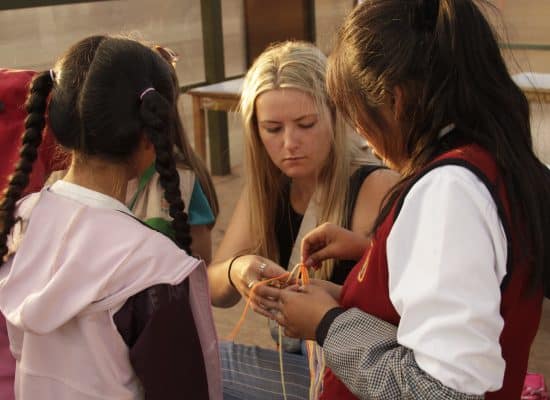
Plan simple, friendly activities and keep two spare ones up your sleeve. Some students need more time to pick things up, so be patient and encouraging rather than rushing. A relaxed, positive attitude goes a long way, especially if this is your first time volunteering overseas.
Respect Local Ways
Watch and follow local teaching methods, school routines and community norms, and ask staff when you are unsure. Students learn best in a classroom where mistakes are fine. Remember that you are a guest, and trust is earned over time.
Why Choose Globalteer to Teach English in Peru?
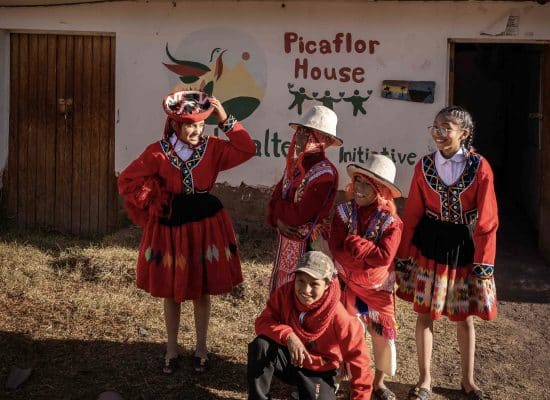
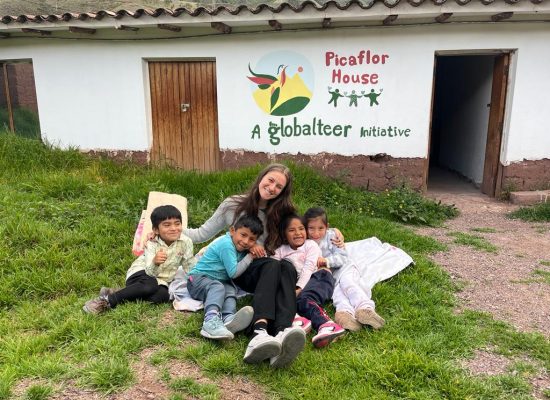
Globalteer is a UK charity that runs and supports local projects in Peru and Cambodia. Volunteers on our Peru Community Project spend their afternoons at Picaflor House in Oropesa, near Cusco, teaching English and helping children with homework, arts, games and sport. You work alongside Globalteer’s local team, with:
- Projects that combine teaching, culture and community
- Clear guidance on your role before and during your placement
- An orientation and induction when you arrive, plus support from our Cusco staff
- Hands-on experience that builds real teaching and communication skills
Inside Picaflor House, Our After-School Programme in Peru
Picaflor House is in Oropesa, near Cusco. It gives local children a safe place to go after school while many of their parents are still at work, with homework support, food and time to play.
Ready to Teach English in Peru and Support Local Students?
Learn a few words of Spanish, bring some games and get talking until everyone feels at ease. Whether you have a week or a few months, your time can make a real difference to the children you work with. Join our community project in Cusco. We’d love to have you.