
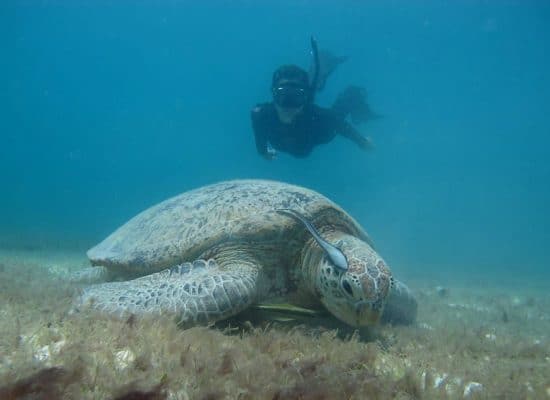
The need for sea turtle conservation has never been greater, as most of the remaining species have survived for more than 100 million years, and all are now either threatened or endangered. Declines in their numbers influence coastal ecosystems, as they play an important role in maintaining seagrass beds and regulating jellyfish populations. Keeping them safe requires years of night watches, nesting location monitoring, and building up community confidence to save the turtles, season after season. Here's a closer look at what that takes.
What Are the Most Significant Threats to Sea Turtles?
Sea turtles face a mix of old and new threats, many of them caused directly by humans. Here's a quick overview of the biggest threats they face:
| Threat | How It Affects Sea Turtles |
| Plastic pollution | Turtles mistake bags and debris for food, leading to injury or starvation |
| Coastal development | Decreases or eliminates the beaches that turtles rely upon for nesting |
| Fishing bycatch | Turtles get trapped in nets and lines not meant for them |
| Climate change | Changes in sand temperature, hatchling sex ratios, and sea levels |

How Does Habitat Loss Affect Sea Turtle Conservation?
Nesting beaches are the most fragile stage of the sea turtle life cycle. Lose the beach, and every other conservation effort loses its purpose.
Why Safe Nesting Beaches Are Essential for Survival
Female turtles return to the beach where they hatched to lay their own eggs, and if that beach has eroded, they have nowhere else to go. To ensure eggs develop and reach the sea, nests need stable sand temperature, easy access to water, and undisturbed ground.
The Impact of Artificial Lights and Human Activity
Hatchlings become disoriented by bright lights from resorts and roads near the beach, and end up crawling away from the ocean instead of toward it. Noise, foot traffic, and abandoned beach gear can disrupt an otherwise perfect night for nesting.
How Coastal Development Can Disrupt Nesting Behavior
Sand compaction and physical barriers created by seawalls, hotels, and beach development eliminate traditional nesting areas. Beaches might be unsuitable even after a few nesting seasons due to changes in drainage and erosion patterns from nearby development.
Safeguarding Beaches for Future Generations of Turtles
A long-term protection plan tracks nests after they're laid and limits construction, lighting, and public access in nesting areas. These limits aren't decided season to season; they take shape over decades of consistent monitoring.
Why Is Protecting Sea Turtle Nests Such a Challenge?
Choosing an appropriate nesting beach doesn't ensure a safe beach after eggs are laid. Conservation teams face several risks:
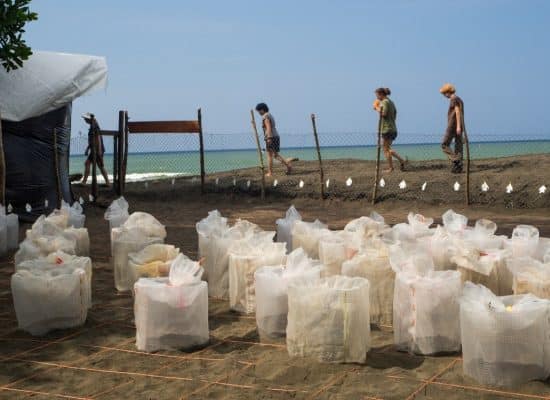
- Crabs, birds, and other animals dig nests before they hatch.
- Eggs could be broken by foot traffic, vehicles, or beach fires.
- Staff regularly check nests to track estimated hatching dates and watch for problems.
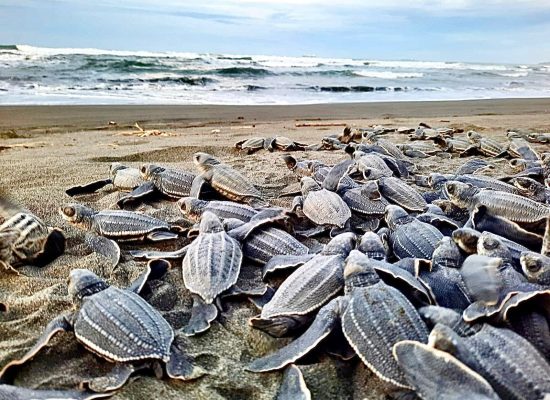
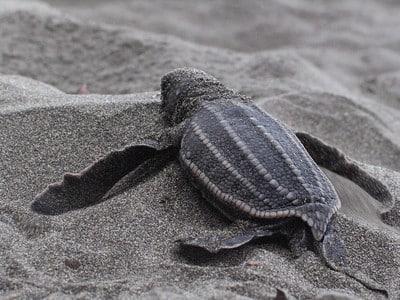
- The perilous journey from nest to ocean leaves newly-hatched turtles vulnerable to predators, disorientation and exhaustion.
How Is Climate Change Reshaping the Future of Sea Turtles?
Global warming affects sea turtle biology in ways beyond warmer water, from hatchling sex ratios to the beaches where turtles land.
How Rising Temperatures Affect Sea Turtle Populations
In a warmer world, turtles are affected across their life stages, from egg incubation to migration timing. Even modest changes in average temperature lead to regional-level responses such as nest date and hatchling survival.
The Connection Between Sand Temperature and Hatchling Development
Depending on the temperature of the sand at the time of laying, hatchlings can either be male or female, and increased temperatures yield more females. Many nesting populations are already skewed female, leading to chronic declines in breeding potential and loss of genetic diversity.
Rising Sea Levels and Disappearing Nesting Beaches
Rising sea levels are destroying and flooding nesting beaches before eggs can hatch. Other beaches that have historically supported nesting are also becoming unavailable during peak season, making it even less likely turtles nest there each year.
Why Climate Action Is Becoming Part of Turtle Conservation
Manual re-nesting, beach restoration, and shade planting are now common tools, alongside traditional nest netting. Addressing climate change is as critical to turtles as predator or poaching avoidance.
How Can Conservation Programs Help Overcome These Challenges?
A well-designed Sea Turtle Conservation Program unites all of these contributions and benefits turtles.
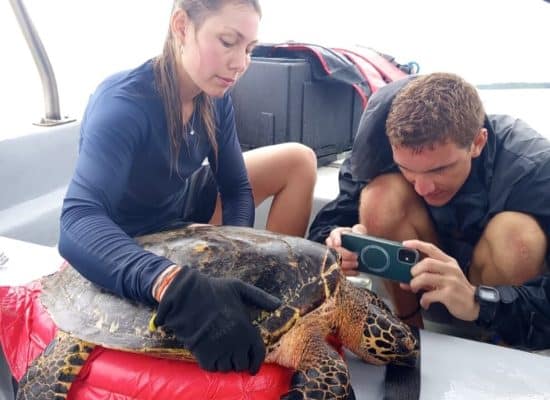
- Monitoring nesting sites and turtle activity throughout the season
- Facilitating scientific studies that inform sound conservation decisions
- Minimizing light pollution, debris, and other disturbances at important nesting sites
- Providing training to local communities, which ensures protection is sustained after the volunteers have gone


Why Do Volunteers Matter in Sea Turtle Conservancy?
Sea turtle conservation depends heavily on people who show up consistently, not just conservation professionals. That's why so many volunteer projects abroad exist: to extend the reach of local teams across long stretches of coastline.
Supporting Beach Patrols and Conservation Activities
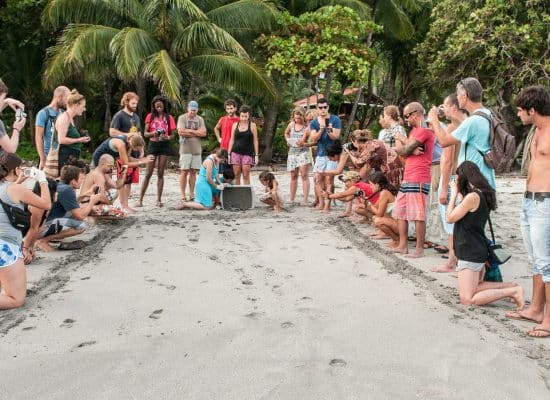
Night patrols usually find and record nests before predators or the rising tide can reach them. Volunteers walk their stretch of beach on a set timetable and pass what they find to local teams, who use it to plan protection.
Helping Monitor Nests and Nesting Turtles
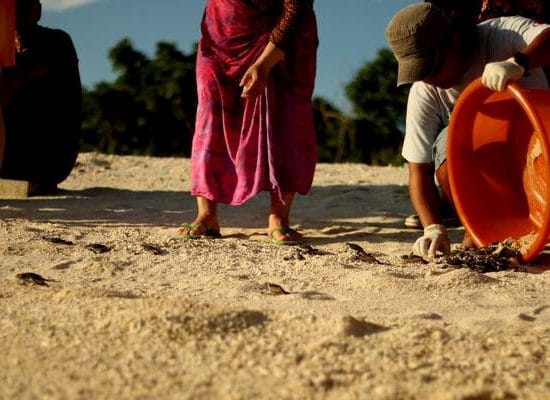
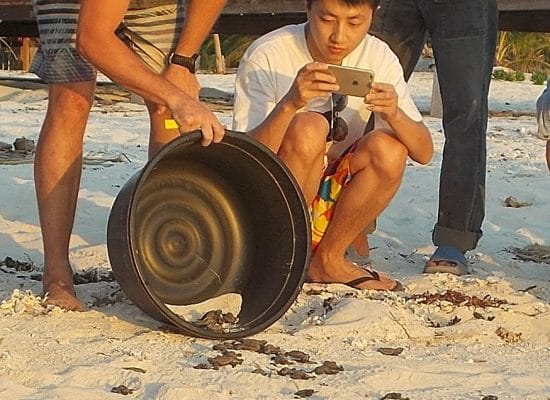
Once a nest is located, volunteers help monitor incubation, move eggs to safer hatcheries when necessary, and watch over hatchling releases, work that's labor-intensive for small teams over a full season.
Contributing to Awareness and Community Education
Public opinion shifts more easily when people see photos, read real stories, and hear directly from volunteers on the beach. When volunteers share their experience responsibly, they help build momentum for a campaign that lasts well beyond their own trip.
How Responsible Volunteers Can Support Local Conservation Teams
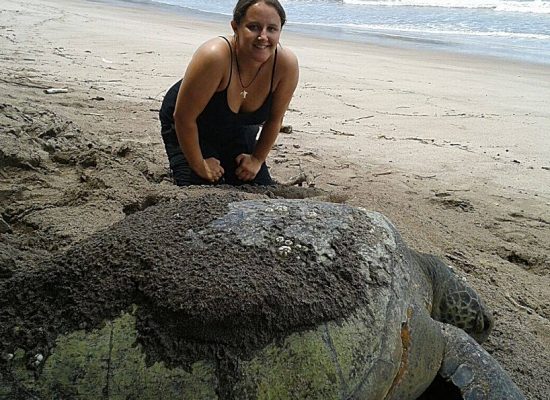
The best volunteers follow local guidance, respect the time conservation teams set, and do not disturb nests or turtles for the sake of a photo. That is how local teams learn to rely on and trust outside volunteers, year after year.


Why Choose Globalteer to Support Sea Turtle Conservation?
Globalteer's conservation volunteering programs are designed around hands-on, locally-led work, working alongside local volunteer teams and conservation practitioners who know the coast. It offers practical, easily transferable experience for anyone interested in marine biology, ecology, or fieldwork, with placement options in different countries, including a sea turtle conservation field project in Malaysia.
Conclusion
There's no single fix for a sea turtle conservancy issue; it depends on protected beaches, monitored nests, planning in a climate context, and communities that remain engaged beyond the days of their volunteers. Each individual Sea Turtle Conservation Program that continues from year to year makes a real contribution to that effort, and funding projects overseas is one of the best ways to get involved, rather than just watching from home.

Ready to Help Protect Sea Turtles and Their Future?
Each patrolled beach, protected nest, and educated community adds up to a brighter future for sea turtles. When you feel ready to make a difference, visit Globalteer's volunteer placements and see where you can help.