
Children in rural Cambodia face social and educational issues. Hence, this limits their self-esteem and growth. More children are starting school, but many still can't afford to finish their education. The dropout rate is about 15.5%, according to the Cambodian Ministry of Education, Youth and Sport.

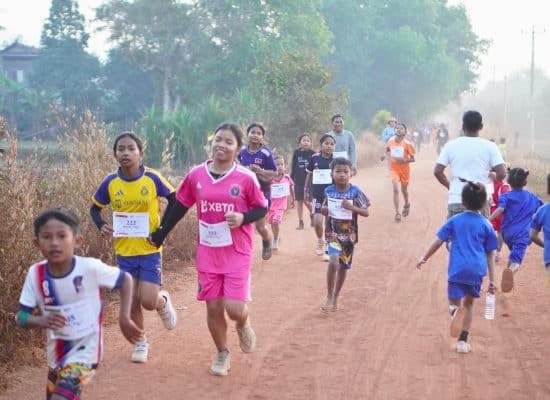
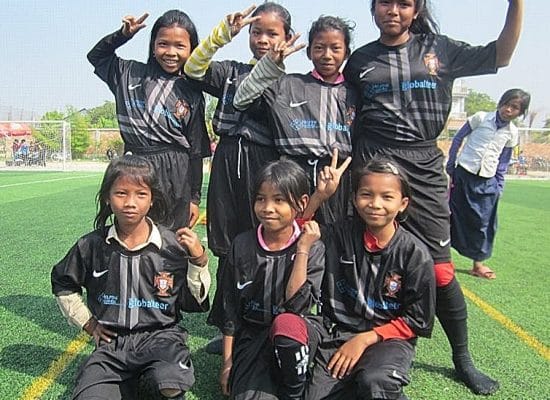
Thus, the children's sports programs by Helping Hands Cambodia usees sport to build trust and unity among rural kids. The programme helps the children in Siem Reap and other local groups. This guide will show how sports for children change lives, impart key skills, and bring success.
Why Rural Children Benefit from Sports Programs?
Due to economic pressures, limited access to schooling resources, and health issues, many rural families struggle to provide children with full access to formal education. As a result, children often miss out on key chances for social growth.
Economic and Social Pressures
Families living in isolated villages tend to use subsistence farming and casual employment. Instead of engaging in happy learning institutions, such as youth sports programs by Globalteer, children do chores, farmwork, or earn income.
Limited Access to Resources
A large number of rural schools are missing supplies, trained teachers, secure playgrounds, and after-school sports programs. Without organized programs, children are deprived of the aspects of teamwork, communication, and leadership growth. Thus, Helping Hands Cambodia aims to help schools with educational and sporting funding.
Health and Nutrition Challenges
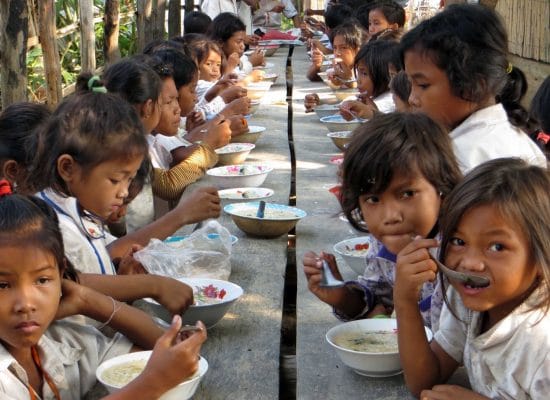
Unhealthy or malnourished children are unable to focus, remain active, or learn. This is why it is key to integrate sports activities for kids and nutrition support. Hence, Globalteer programs provide children with meals and physical activity.
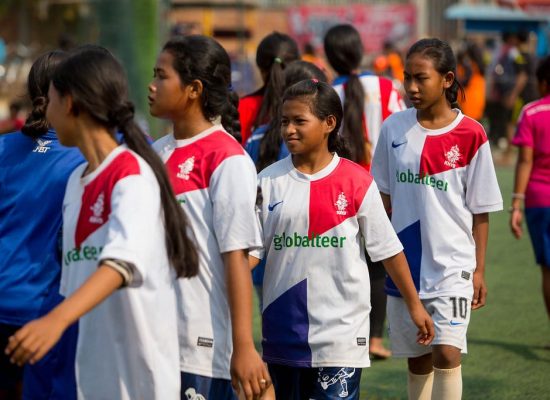
How do sports for Children Build Confidence?
Resilience and self-belief were fostered through sport participation in children:
- Skill mastery: The growth of new sports skills makes them more confident.
- Positive reinforcement: Coaches and fellow-teammates stimulate advancement.
- Dealing with defeat: Victories and losses boost self-worth.
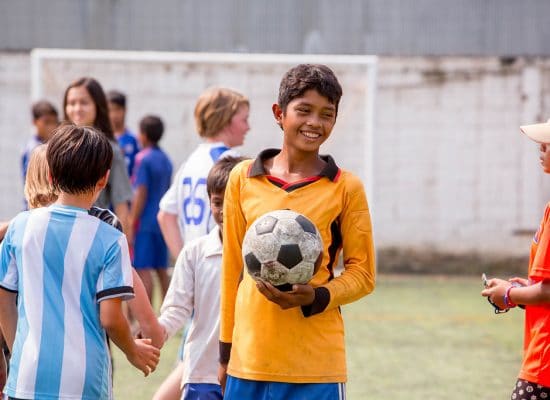
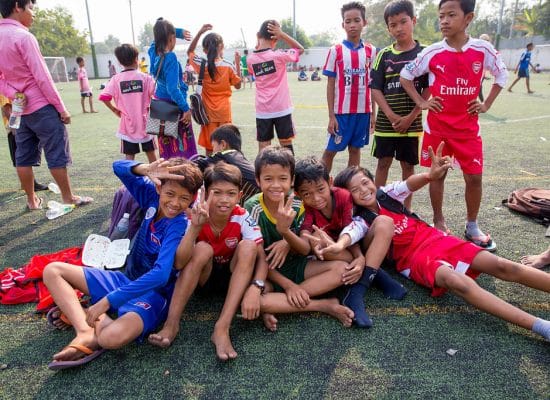
As an example, those students who participated in sports activities organized by Globalteer tend to come back to school more assured and eager to be more engaged in classes and society. This shows the benefits of sports for kids beyond the field.
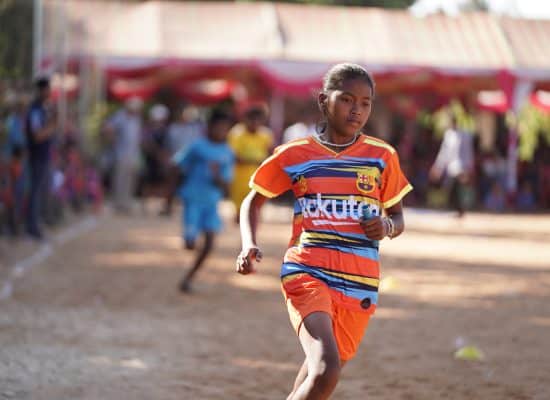
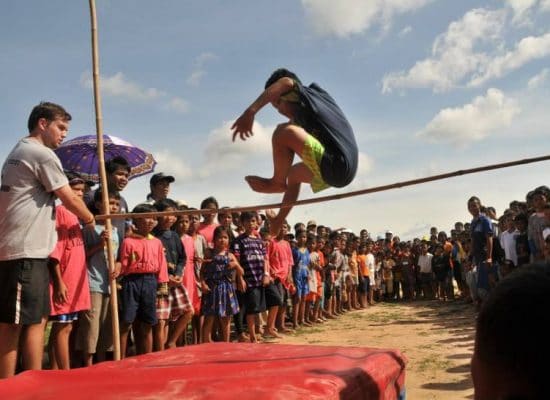
How Sports Build Leadership?
Leadership skills are inbuilt in sporting environments:
- Role models and team captains build responsibility.
- Critical thinking is enhanced by strategic decision-making.
- Encouraging colleagues develops sympathy and interaction.
These traits easily translate into school leadership growth and group participation that increases the long-term value.
How To Promote Inclusion Through Sports?
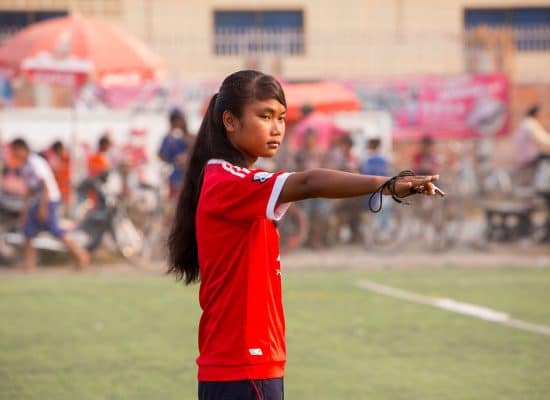
Gender roles and social lines may restrict children (particularly girls) in most of the rural regions. Teaching sports programs is open as they help:
- Break traditional stereotypes by being mixed-gender.
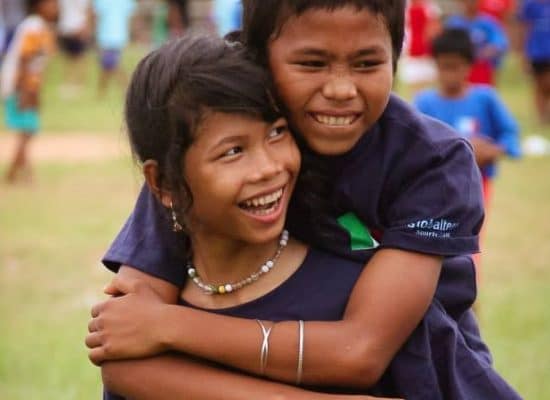
- Promote collaboration among diverse children.
- Teach about compassion and respect for peers with disabilities.
Globalteer programs help all children feel included and engaged. Thus, community sports programs are vital; they make safe and welcoming spaces for everyone.
How To Integrate Education and Community Support?
Sports for children are more effective in a holistic program, which also promotes schooling and wellbeing:
- Children are provided with school supplies and uniforms, which lowers fiscal hurdles.
- Healthy eating keeps the children active and learning.
- Care workers help with sports coaching, and teachers help.
A detailed plan boosts physical health. Hence, it improves personal ability, school attendance, and performance.
What are The Real-Life Impact Success Stories?
The following are actual stories of how sport and learning have transformed the lives of children.
Mai Mod (Grade 6)
Feeling confident and now hopes to become a mentor in sport. Being involved in teamwork activities has enabled Mai to open up later on in the classroom and to be proactive in group tasks. Younger students in her village now have her to look up to.
Nhorn Kimyong (Grade 5)
Her contributions increased her participation in school in addition to her communication abilities. By engaging in regular sports training, Nhon has gained skills to cooperate with peers, negotiate, and be motivated, leading to increased involvement and attention in her academics.
Khon Sreyleak (Grade 9)
Mastered leadership, collaboration, and strength in addition to his role in school. Through leading his school team, Khon has learned to solve problems and lead other team members, yet he has managed to retain his studies and help with group activities.
How Can You Support Sports Programs?
Globalteer year-round programs are supported by volunteers overseas and supporters all over the world:
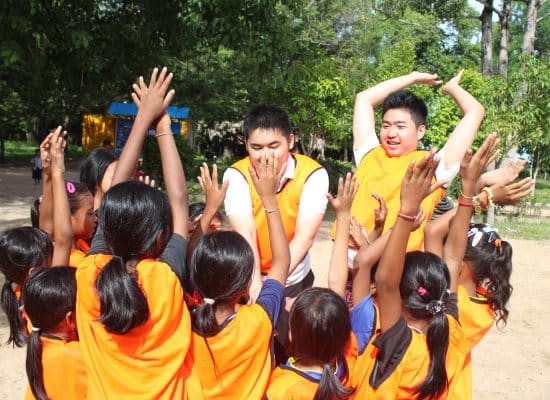
- Volunteer overseas: Coach sports, help instructors, and mentor children.
- Donate: Sport equipment, meals, training, and uniforms.
- Advocate: Increase awareness of the sustainable child development benefits of active sport in rural settings.
Whether in the form of care work or donations, the rural children have a chance to grow, learn, and prosper.
Globalteer’s Community-Led Approach
Helping Hands Cambodia keeps safe, group-oriented principles:
- Locally led and staffed programs make them culturally relevant and long-lasting.
- Child protection policies guarantee the safety and well-being of children.
- The longer interaction fosters continuity and trust in the societies.
The children participating in these programmes acquire more than sports skills; they gain trust, leadership, inclusion, and future life skills.
Conclusion
Importance of Sports in education for children in rural Cambodia offer more than just games. They help children gain trust, build skills, and promote inclusion. Thus, with Globalteer Helping Hands, sports mixed with education and support to the group leave a lasting mark. By caring, donating, or raising awareness, you can help Cambodian children build groups.