
Volunteering abroad is a powerful way to develop new skills, experience different cultures, and make a meaningful impact on communities in need. But one of the first decisions you’ll face is whether to choose a short-term or long-term placement. While it might seem like a simple choice, the right option depends on your personal goals, available time, budget, and the kind of impact you want to have. In this guide, we’ll help you explore both options so you can decide what works best for you.
What Is Short-Term Volunteering?
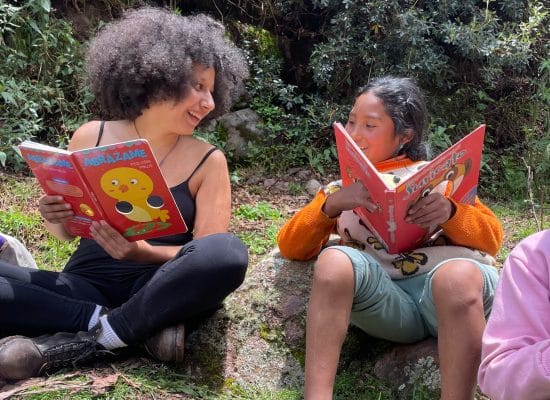
Short-term volunteering can last days or weeks. Sometimes, it can go up to 2–3 months. However, these are usually included in the volunteer travel programs where you can mix traveling with meaningful work. As an example, you can teach kids, volunteer with animals, or take part in conservation work. Thus, these program activities are simplified for volunteers to accomodate their short duration.
Benefits of Short-Term Volunteering
Short-term volunteering is a great way to gain meaningful experience in a short time while still making a positive impact.
- Flexible duration that fits holidays or breaks
- Lower overall cost due to short stay
- Quick exposure to new cultures and lifestyles
- Easy entry into volunteer work overseas for beginners
- Combines travel with meaningful service
- Builds basic skills like teamwork and communication


Challenges of Short-Term Volunteering
Short-term volunteering can be a rewarding experience, but its limited timeframe can present some challenges. Many people choose shorter placements due to time or budget constraints, and well-structured projects often adapt their programmes to accommodate this. However, the shorter duration can still affect the depth of your experience and impact.
- Limited time to create a lasting impact
- Quick adjustment to new cultures can be challenging
- Interactions with local communities may remain surface-level
- Fewer opportunities to develop or refine skills in volunteer work overseas
- Time constraints can create pressure to achieve meaningful outcomes quickly
What Is Long-Term Volunteering?
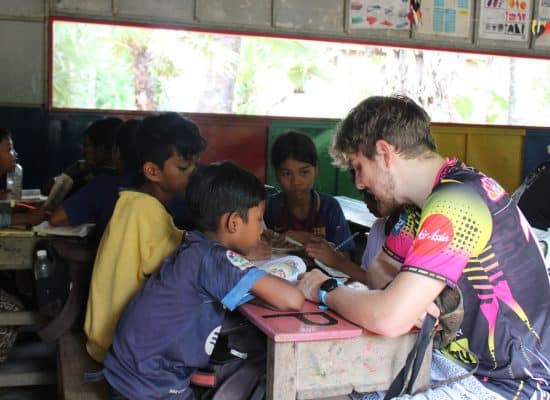
Long-term volunteering typically lasts from three months to a year or more, offering a deeper and more immersive experience. These placements are often delivered through structured volunteer programmes run by international organisations, designed to support both volunteers and the communities they serve. With more time on the ground, you can fully integrate into the community—whether that’s helping to train local staff, supporting infrastructure projects, or contributing to healthcare initiatives. These longer placements are often referred to as “internships,” as offered by Globalteer, reflecting the greater responsibility and hands-on experience involved.


Benefits of Long-Term Volunteering
Long-term volunteering allows for deeper, more meaningful impact. With more time, you can build strong relationships, contribute to sustainable projects, and see real progress unfold. It also provides the opportunity to develop valuable skills such as leadership, teamwork, and problem-solving. Being immersed in a community for an extended period often leads to a greater understanding of local cultures and a broader global perspective.
Challenges of Long-Term Volunteering
While long-term volunteering can be incredibly rewarding, it also requires a serious commitment. Adjusting to a new environment over a longer period can be demanding, both emotionally and practically in longer volunteer programs abroad.
- Extended time away from home
- Homesickness and emotional challenges
- Higher cost and planning for volunteer work overseas
- Slower cultural adjustment process
- Risk of burnout during long volunteer projects abroad
- Limited flexibility to change plans

What are the Key Differences Between Short and Long-Term Volunteering?
Understanding the differences between the two will help you make the right choice for your goals and circumstances.
|
Aspect |
Short-Term | Long-Term |
|
Duration |
A few days to weeks | Months to a year+ |
| Commitment | Low |
High |
|
Impact |
Limited | Deep and lasting |
| Experience |
Travel-focused in volunteer travel programs |
Immersive service experience |
| Skills | Basic skills in volunteer work overseas |
Advanced, hands-on skills |
|
Flexibility |
High |
Low |
What Questions Should You Ask Before Deciding?
Before choosing between short- and long-term volunteering, it’s important to take a step back and reflect on what you want from the experience. These key questions can help guide your decision.
What Is Your Goal?
Are you mainly looking to explore a new country, or do you want to make a deeper, long-term impact? Short-term volunteering is often ideal if your focus is travel and gaining a brief experience. If your goal is to contribute more meaningfully and see lasting change, a longer placement may be the better fit.
Short-term volunteer work overseas is ideal if your aim is travel and experience. However, if you would like to be most effective in creating change, then go long-term.
How Much Time Do You Have?
If you only have a few weeks available, short-term programmes are the most practical option. However, if you’re able to take several months or even a year out, long-term volunteering can offer a far more rewarding and impactful experience.
What Is Your Budget?
Cost is an important factor to consider. Short-term programmes may have a lower overall cost but can be more expensive per week. Long-term placements often offer better value over time, and in some cases, discounts or scholarships may be available. Many organisation like Globlateer offer free accommodation and meals for long-term volunteer programs abroad.
Are You Ready for a New Culture?
Adapting to a new culture can be both exciting and challenging. Short-term placements provide a brief introduction, while long-term volunteering requires a deeper level of adjustment and commitment to a new way of life.


What are the Types of Volunteer Work You Can Choose?
Irrespective of the amount of time, there are various types of work you can do.
Local Development
You can contribute to the construction of schools, educating kids, or helping local organisations. These can be found in both the short-term and long-term programs.
Environmental Projects
A lot of people take part in volunteer travel programs to conserve nature. For example, you can clean beaches or plant trees.
Healthcare Support
You can help in clinics or health camps if you have medical expertise.
Animal Welfare Projects
Volunteers may assist with rescued wildlife, help care for street dogs and cats, or support ethical elephant sanctuaries where the focus is on rehabilitation and wellbeing rather than tourism.
Education Programs
Teaching is one of the most popular forms of volunteer work overseas. You can teach English, math, or basic skills.

What are the Tips for Choosing the Right Program?
It is crucial to make the right choice. So, here are some simple tips.
1. Research Carefully
Always check the organisation or company. Search reviews and stories of success. Also, make sure the program is ethical and truly helps.
2. Start Small
If you are new, begin with short-term volunteer opportunities abroad. Then, once you gain confidence, you can move to long-term programs.
3. Set Clear Expectations
Know what you will do and what you will learn. This helps you avoid confusion later.
4. Check What Is Included
Some volunteer programs abroad include food, housing, and transport. So, always check the details before you sign up.

Why Ethical Volunteering Matters?
Today, ethical volunteering is very important. Not all programs are helpful. Some programs focus more on profit than impact. So, you need to be careful. Choose programs that support local communities. Also, avoid projects that replace local jobs. Ethical volunteer work overseas ensures your efforts truly make a difference.
When Short-Term Volunteering Is the Best Choice?
Short-term programs are best when:
- You have limited time
- You are new to volunteering abroad
- Want to combine travel with meaningful experiences
It’s also an excellent way to test the waters before committing to a longer placement. Many people begin with short-term volunteer travel programmes and later transition into longer-term opportunities once they gain confidence and experience.

When Long-Term Volunteering Is the Best Choice?
Long-term programs are preferable when:
- You are looking to build meaningful relationships
- You want to contribute to lasting change or create real impact
- You are ready to commit to a more immersive experience
It suits those who are ready to dedicate more time and energy to a project and want to be fully involved in the community. In addition, long-term volunteer opportunities abroad can support personal and professional development, helping you gain valuable experience, strengthen your CV, and open up future opportunities.
Conclusion
Choosing between short- and long-term volunteering ultimately comes down to your goals, availability, and level of commitment. Short-term programmes offer flexibility and are perfect for those seeking a brief but meaningful travel experience. Long-term volunteering, on the other hand, allows for deeper impact and greater personal growth. Both options have their benefits—the key is to choose the one that aligns best with your intentions and circumstances.
Quick and flexible experiences are suitable for short-term volunteer travel programs. Volunteer programs abroad can be long-term, more influential, and growth-based.