Is Machu Picchu Still Worth the Hype?
“The rush to experience bucket-list landmarks has led to overcrowding, rising costs, and cultural damage making once-iconic destinations no longer worth the hype”.
This is how an article published by Travel and World Tour describes Machu Picchu, highlighting how the archaeological site is one of the most endangered by tourism. That’s why meaningful travel is gaining attention. But what does this mean?
Mass Tourism vs. Meaningful Travel: Understanding the Real Costs
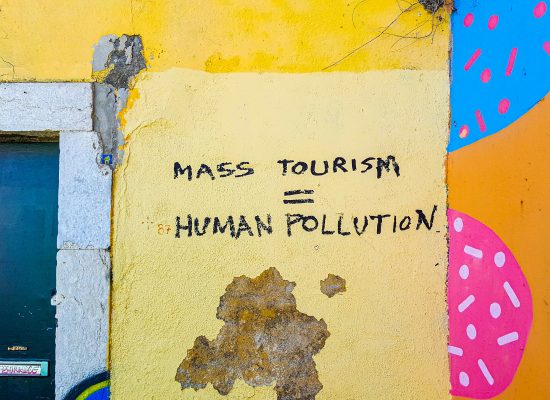
It has been broadly studied how mass tourism is changing both the appearance and the experience of popular destinations. Living in Cusco for three months as an intern with Globalteer, I’ve seen the impacts of overtourism up close.
When Travel Becomes a Checklist
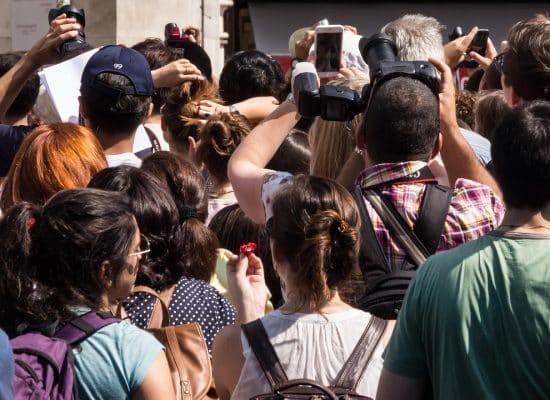
Walking through Cusco’s historic center I often notice the same scene: incredibly crowded streets where travelers line up for the perfect photo. Meanwhile, equally beautiful streets a few steps away remain empty.
Vacations are becoming all about taking the perfect Instagram photo in a famous place, rather than learning the history and the meaning behind the place visited. Take for instance the ponchos sold everywhere. Most people don’t know these beautiful prints once had deep meanings in Inca culture. Today, those meanings are largely forgotten in the rush for a picture-perfect souvenir.
Inca culture is extremely rich and fascinating, and Peru has much more to offer than Machu Picchu. It is a pity that most tourists in Peru miss the beauty of Peruvian traditions: cuisine, music, dances and history are incredibly rich.
Don’t get me wrong, Machu Picchu is stunning, and the culture behind it is fascinating. If you come to Peru, you should absolutely see it. But what I’ve learned during my time here is that there’s a whole world beyond that single postcard view that most travelers miss.
Who really benefits?
Tourism is certainly a big economic source for many countries, but its effects are clearly selective. According to the International Labour Organization, most tourism jobs are informal. This leaves workers vulnerable and without stable livelihoods.
The contrast is impressive. While Cusco’s city centre thrives on tourism, just a short drive away the rural communities struggle with unpaved roads, unnamed streets and high illiteracy rates.
Gentrification
Walking through Cusco’s historic center, I noticed that many old houses have turned into hotels or Airbnbs. It’s easy to see why tourists want to stay in these charming colonial buildings. But locals often can’t afford to live here anymore, and traditional neighborhoods slowly lose their identity.
Slow Travel in Peru: What It Means and Why It Matters
Slow tourism and meaningful travel share the same goal: creating authentic experiences while reducing the negative impact of mass tourism. In contrast to the speed and quantity of vacations promoted by overtourism, slow tourism is about longer stays in fewer places. The experiences are more enriching, often leading to real connections with local communities and a better understanding of the meaning and culture of the places visited.
The question now is: how can travelers embrace this movement? One of the best ways is through volunteering or interning abroad, and Globalteer makes it possible!
My Experience With Globalteer: How Volunteering Brings Meaningful Travel to Life
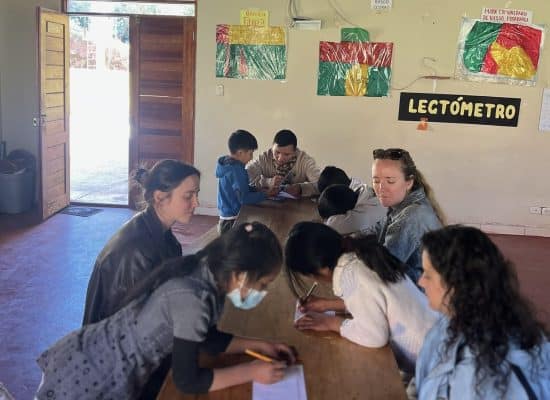
When you decide to volunteer or intern with Globalteer, whether in Peru or Cambodia, you don’t just visit a destination: you live it. You will work for projects that involve local communities and make a real impact.
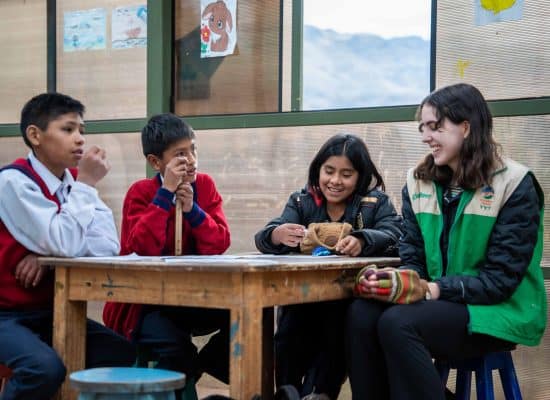
During my time in Cusco I’ve had the privilege of joining two incredible Globalteer initiatives: the Mobile Library and Picaflor House.
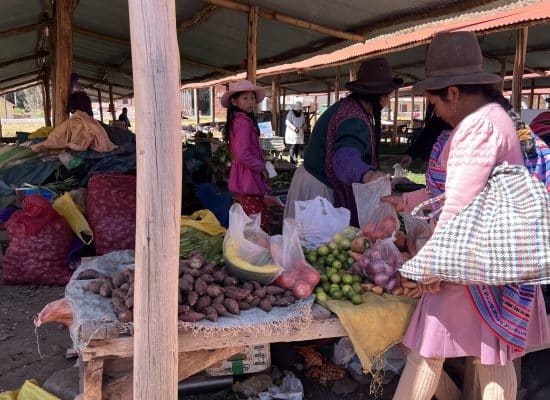
With the Mobile Library I visited rural communities far from the tourist trails. This is when, for example, I learned about the ancient Inca tradition of freeze-drying potatoes to preserve them for months, a technique that’s still used today. It’s details like these that you’ll never discover on a quick trip to Machu Picchu.
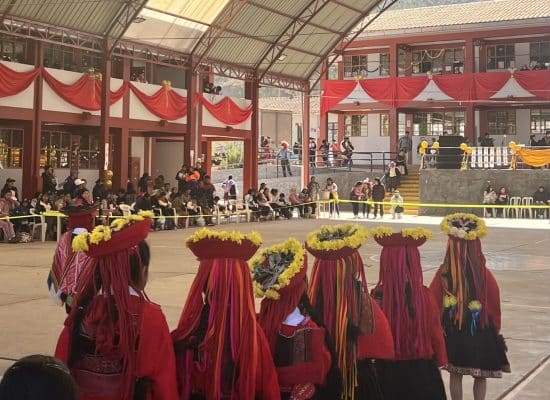
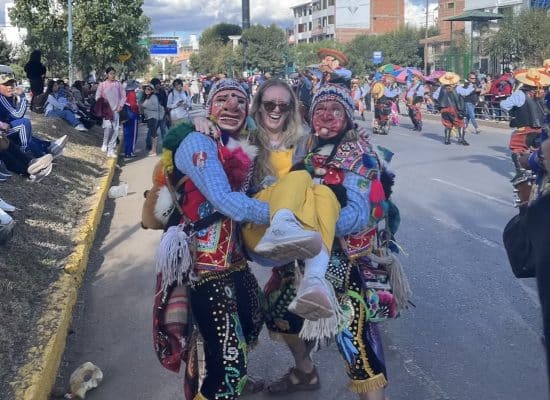
Working with Picaflor House a unique experience was being invited to the 50th anniversary of the school of Oropesa. During the celebrations I was able to see many different traditional dances and to learn about the stories behind them.
Daily interactions with locals let you experience culture in ways no traditional vacation can. They will be happy to share stories, tips, and even a laugh. You will create memories that last a lifetime.
Moreover, you will work with an international team, making friends from around the world. You will share everyday life and cook traditional dishes together. You’ll also learn each other’s languages. This experience is transformative. You will return home more open-minded and with knowledge that no textbook can provide.
If Peru is on your bucket list, consider meaningful travel: slow down, immerse yourself, and make a real difference. You will return home with more than just pictures, you’ll bring back memories, skills and a new perspective about what meaningful travel is.