
Our oceans are home to incredible marine life, but growing environmental challenges are putting this ecosystem at risk. Climate change, plastic pollution, and overfishing have hurt marine life for a long time. Recent studies have reported 0.001-140 microplastic particles/m3 in water and 0.2-8766 particles/m3 in sediments at different marine environments, which raises a lot of concerns for aquatic life.
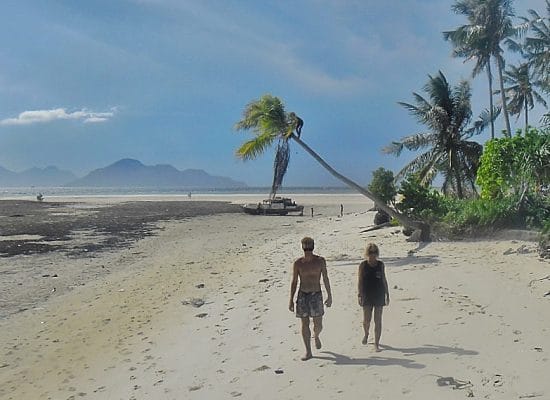
That's why volunteers are needed now more than ever. If you love marine life and want to do volunteer conservation work, this might be the perfect opportunity for you. Luckily, there are programs for everyone, whether you're an expert or a novice who wants to take part in conservation tasks. This guide will tell you what each marine conservation program with Globalteer covers and how to find the one that's right for you.
What is Marine Conservation Volunteering?
Marine conservation volunteering is not about just showing up; it's about making a real impact at important locations. You’d be working on tasks like surveying reefs, cleaning beaches, and educating others about the ocean. Marine conservation is vital to the long-term life of our oceans. Some programs go even further, focusing on in-depth research into marine life and restoration initiatives. Whether you're new to marine conservation or an expert, volunteer programs put you right where the impact happens.
What are The Different Types of Marine Conservation Projects?
Marine conservation projects come in many forms, each protecting a different part of the ocean. These include coral reef restoration, marine wildlife research, and environmental education. Here is a closer look at some of the most famous types of programs:
Coral Reef Restoration
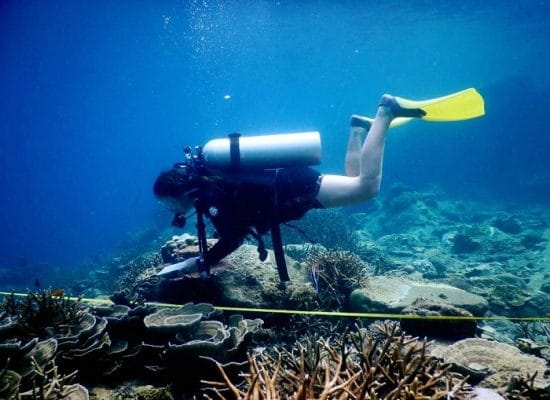
Coral reef restoration is one of the most satisfying ocean conservation volunteer options available. Volunteers help build underwater coral beds, growing and placing coral pieces to help reefs repair. However, many tasks, like scuba diving, are also part of the work, and if you didn’t get your diving certification, volunteers get PADI certified to take part in vital coral reef conservation work
Sea Turtle Conservation
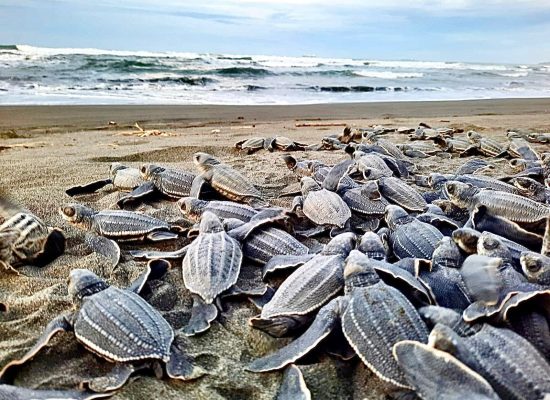
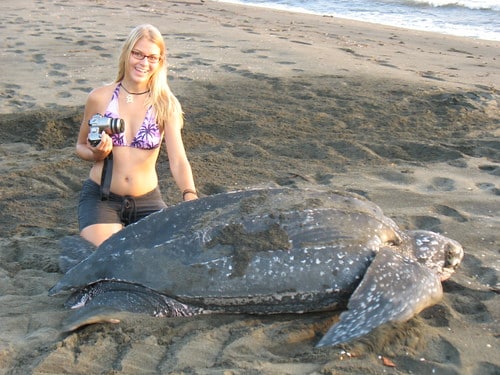
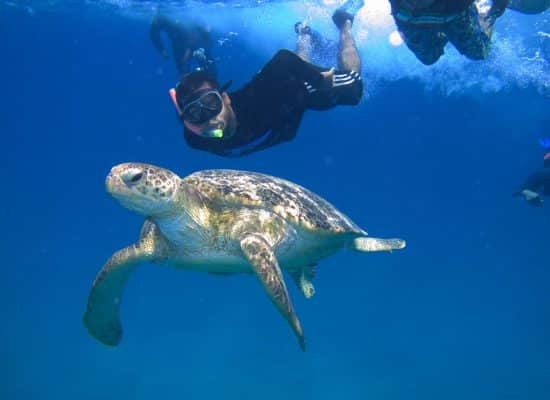
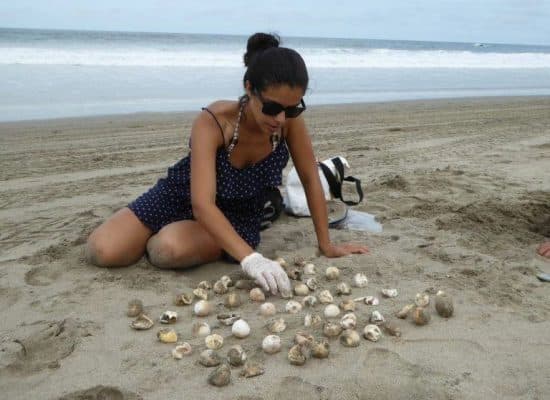
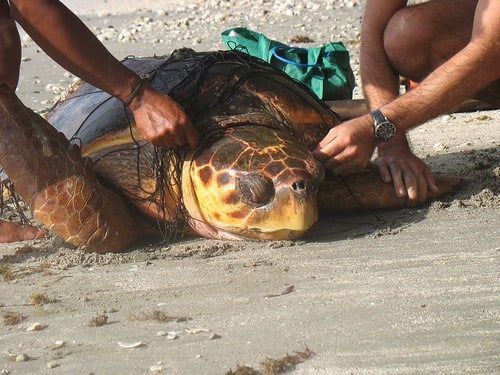
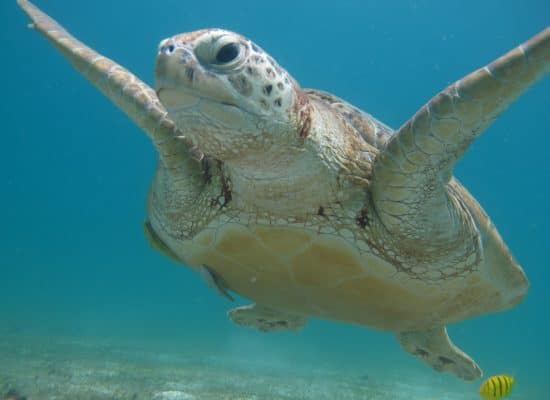
Sea turtle conservation in Costa Rica or Malaysia is one of the most satisfying volunteer options. There is always meaningful work to do, from monitoring nests to helping protect hatchlings. Volunteers aim to patrol the beach at night, free hatchlings, and monitor local sea turtles for their safety.
Marine Wildlife Research and Monitoring
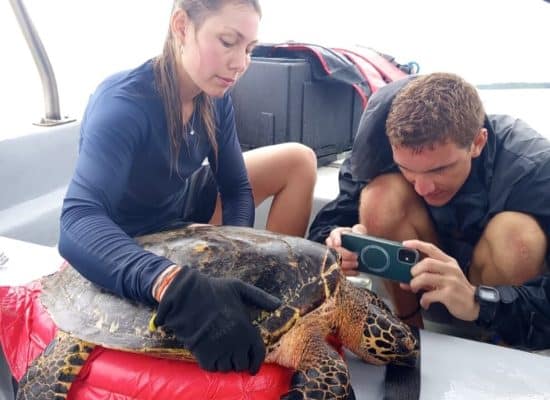
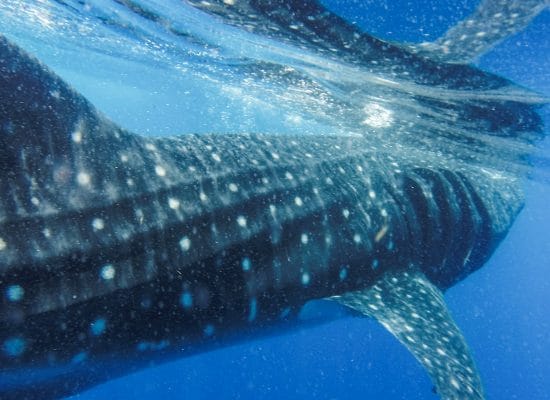
For those keen on research, there are programs that focus on studying marine life. They focus on tagging sea turtles, tracking whale sharks, and gathering data for conservation teams. Volunteers play an important role in supporting these research projects. They help collect data, identify species, and support ongoing monitoring efforts. Their work makes a big impact in managing marine life.
Seagrass and Reef Health Tracking
Seagrass meadows are often ignored, yet they are a vital feature of the ocean, as they help in marine biodiversity, storing carbon, and sheltering hundreds of marine species. Thus, underwater surveys done by volunteers with expert marine workers help conservation teams to check seagrass beds and reef health daily, helping researchers identify changes and protect vulnerable habitats.
Environmental Education and Local Reach
Many marine conservation programs cover local aquatic life protection work. Volunteers take part in environmental education programs, recycling, safe fishing awareness, and school workshops. Therefore, these programs help create long-term awareness about ocean conservation and sustainable practices..

What are The Top Marine Conservation Volunteer Programs in 2026?
Volunteers take part in reef restoration, wildlife management and observation, research, or environmental education. Some of the most important marine conservation projects are:
1. Malaysia Marine Conservation Program
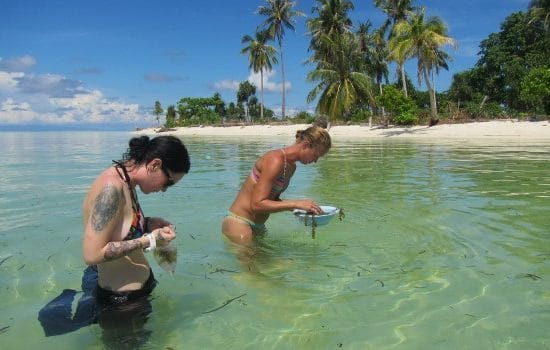
This project takes place in a tropical reef with high biodiversity. Participants actively help protect the coral reef and monitor marine habitats. Hence, this is ideal for hands-on marine conservation work in a biodiverse reef environment. Volunteers help with:
- Coral reef health surveys
- Marine species identification
- Beach and ocean cleanup activities
- Reef tracking dives
- Marine conservation education sessions
This program is also ideal for travelers who wish to do diving volunteer work, field experiences, and dive in the ocean. This makes it a great spot for marine biology volunteer opportunities.
- Duration: 1–12 weeks
- Best For: Reef conservation, diving volunteer work, ocean conservation volunteer programs
Read More: Malaysia Marine Conservation Program
2. Borneo Marine Conservation Project
Borneo is among the most biologically diverse marine areas in Southeast Asia, and so is a vital place to visit for marine conservation volunteer programs. This project is aimed at protecting coral reefs and supporting long-term marine conservation efforts. In this program, volunteers help with:
- Coral reef tracking
- Reef restoration
- Underwater biodiversity surveys
- Marine ecosystem research
- Beach conservation tasks
- Local sustainability education
The program mixes science with real conservation work. It gives volunteers a solid base in real marine conservation volunteering.
- Duration: 2-12 weeks
- Best For: Ocean conservation volunteer, marine research, conservation volunteer opportunities
Read More: Borneo Marine Conservation Project
3. Peru Marine Conservation Project
The Peru Marine Conservation Project is unique compared with many other marine conservation destinations. Nutrient-rich ocean currents help a wide array of marine wildlife along the Pacific Coast. However, the marine conservation volunteer program focuses on coastal habitat protection and on tracking marine biodiversity. As a result, volunteers help with:
- Marine wildlife tracking
- Habitat conservation tasks
- Beach cleanups
- Environmental education programs
This project gives volunteers the opportunity to support conservation efforts in one of South America's most unique marine environments.
- Duration: 1–8 weeks
- Best For: Marine wildlife conservation, coastal safety, ocean conservation volunteer programs
Read More: Peru Marine Conservation Project
What are The Best Destinations for Marine Conservation?
Marine conservation programs address many oceans, and the issues they cover are unique as well. Let's look at how each is so special:
Malaysia
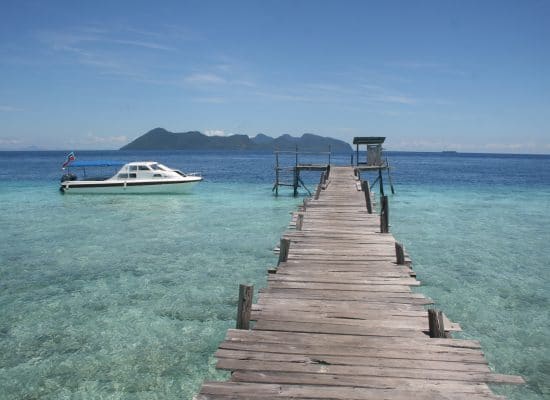
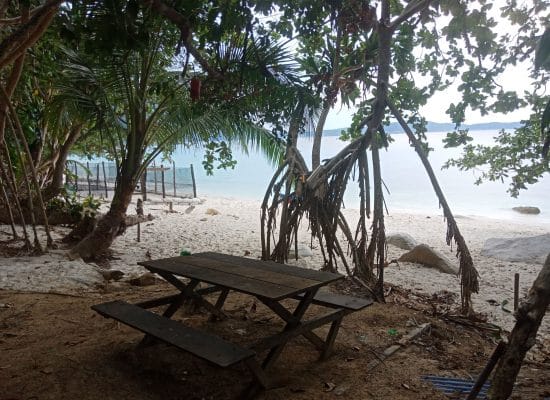
The marine conservation volunteering program in Malaysia protects the region’s clear waters, healthy reefs, and rich marine biodiversity. Hence, volunteers in the Perhentian Islands contribute to reef restoration, scientific research, and ocean conservation. These tasks take place in an open, safe marine park.
Borneo
Borneo offers a remote and unique setting for marine conservation work. The Celebes Sea is in the middle of an area of water that is home to many kinds of marine life, like coral reefs, sea turtles, fish, and sharks. For an adventure, visit Pom Pom Island. Here, people help in saving the reefs and repairing ocean damage.
Peru
The Pacific coast of Peru supports rare species and ecosystems unique to the ocean. But at the Peru Marine Conservation Project, you can help protect marine wildlife and coastal ecosystems. Whether it's tracking wildlife, cleaning up beaches, or gathering data, you will make a huge impact to save the most rare marine ecosystems in South America.
What are The Skills & Qualifications You'll Need?
Most of the marine conservation volunteer programs are easily available. But there may be jobs that require a license. Therefore, useful skills include:
- Swimming skills: Most marine conservation programs need workers to be good swimmers and feel at ease in open water.
- Diving certification: For a few specific projects (Borneo or Malaysia), a diving certification may be required. You can check out novice diver courses or PADI license programs.
- Physical fitness: Many conservation programs need fieldwork and outdoor tasks, so being fit will help.
- Commitment and trust: Active volunteers follow instructions, support conservation activities, and follow project guidelines.
A Day in the Life: What Marine Conservation Volunteering Actually Looks Like?
Marine conservation volunteering typically includes a day with both field and learning tasks.
Morning activities:
- Reef tracking or marine surveys
- Species identification
- Diving or snorkeling research
Afternoon tasks:
- Data recording and review
- Conservation classes
- Local education programs
Evenings:
- Team discussions
- Briefings
- Free time or local tasks
What Are the Costs and Program Durations for Marine Conservation Volunteer Programs?
Volunteer programs vary in length, from short-term (1-2 weeks) to longer-term stays (several months). Most marine conservation programs cover:
Borneo Marine Conservation Project
From £1,214 / US$1,335 for 2-12 weeks. Thus, this package covers lodging, meals, a dive kit, project training, PADI dive training, and conservation activities.
Peru Marine Conservation Project
From £836 / US$920 for 4–12 weeks. Hence, this covers housing, airport pickup, travel, project kit, briefing, and in-country help.
Malaysia Marine Conservation Project
From £617 / US$740 for 1–12 weeks. This covers an overnight stay, food, dive training for novices, local backup, and protection.
Read more: Why Do You Have to Pay to Volunteer Abroad?

How to Choose an Ethical Marine Program?
Ethical and long-term ocean conservation volunteer programs are vital when choosing one. Look for programs that:
- Engage in local projects
- Focus on sustainable, long-term conservation efforts
- Avoid harmful wildlife contact
- Operate with transparency and clear communication
- Deliver measurable environmental benefits
Ethics in marine conservation volunteering always come before the travel goals.

Why Globalteer’s Marine Programs Stand Out?
Globalteer offers lasting and ethical marine conservation volunteer programs. These programs create a huge impact and focus on:
- Coral reef protection
- Marine life tracking
- Shore care
- Environmental education
They include hands-on conservation tasks and fair travel values. This allows volunteers to make a meaningful contribution to ocean conservation.
Save the Ocean: Join a Program
About 71% of the Earth is water, and the ocean is vital to maintaining the climate and balance on Earth. But with increasing pollution and careless tourism, the marine ecosystems face growing challenges and need ongoing protection. If you want to do something for the ocean, you can join Marine Conservation Volunteer programs with Globalteer. You can also find many other ways to help, like working in marine biology or taking part in diving projects. If you're ready to make a difference, explore the available volunteer abroad programs and find the conservation project that matches your interests and skills.