
Volunteering with children in Cambodia is an incredibly rewarding experience, offering the chance to support education, build meaningful connections, and see the direct impact of your time and effort. However, it’s natural to ask: is it safe? Like any form of international volunteering, it’s important to understand the realities on the ground—from safeguarding practices and ethical considerations to health, travel, and choosing a responsible organisation.
In the guide, we’ll discover what safe community volunteering looks like, what to avoid, and how to contribute positively through the right volunteer opportunities in Cambodia!
Why Safety Is the First Conversation to Have?
When working with kids, safety is the most crucial factor. As not all Cambodia volunteer programs follow safety protocols, checking projects will protect you and the children. Thus, research these key points:
- Who runs the program and what is their background
- Whether clear child protection policies exist
- If volunteers receive proper training
- How supervision is handled during activities
- What past volunteers say in reviews
How does Helping Hands Cambodia Keep Children Safe?
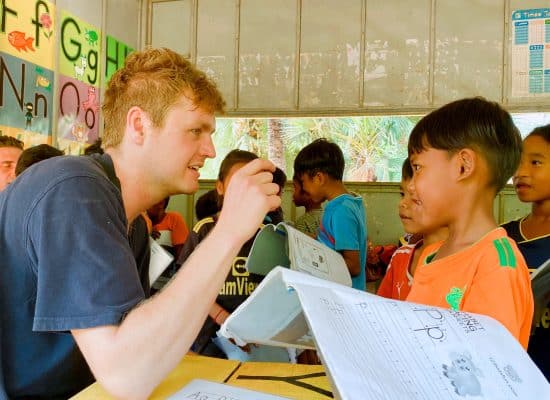
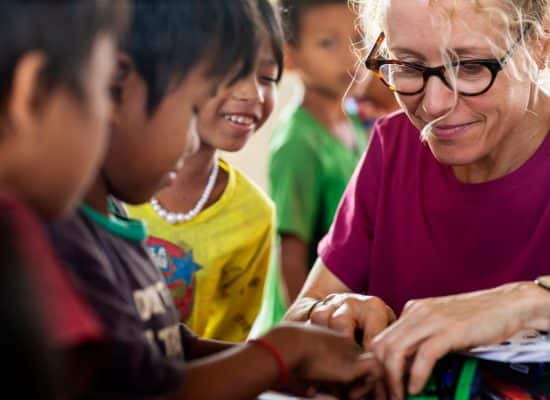
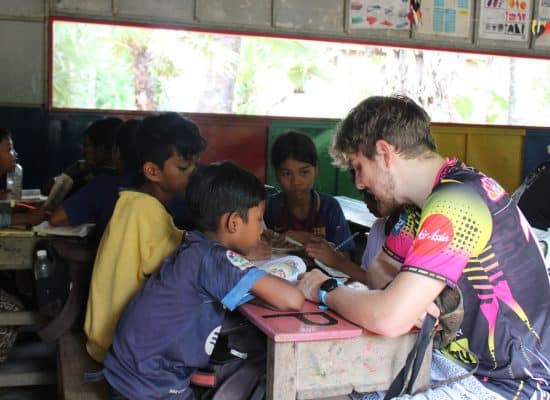
Helping Hands Cambodia focuses on keeping children safe with clear rules, policies and protocols. Screening and training teachers and coaches, making sure that children are never left alone with adults, makes voluntary work in Cambodia safe. Key practices include:
- Screening adults before working at the project
- Providing role-specific training
- Ensuring supervision at all times
- Following strict child protection policies
- Focusing on long-term child growth

What are the Red Flags to Watch Out For in Cambodia Volunteer Projects?
Of course, not all programs are safe or ethical, so you must remain alert. The most important part is choosing an ethical volunteer organisation.
|
Red Flag |
Why It’s a Concern | Safer Option |
|
Lack of transparency |
Funds or goals unclear | Choose programs with clear policies |
| No supervision | Children or volunteers at risk |
Ensure trained staff are present |
| Quick impact | Can harm children |
Focus on long-term programs |
| No volunteer training | Volunteers unprepared |
Confirm training is provided |
| Organisation registration | Profiting from children |
Make sure they are non-profit |
Is It Safe for You as a Volunteer?
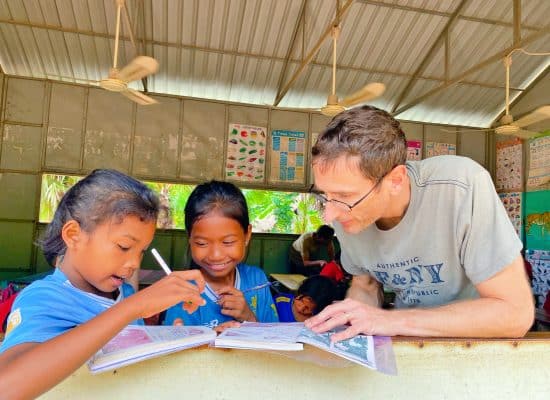
Volunteer workers in Cambodia are safe as long as you are aware of any potential issues and fully prepared. A lot of volunteer opportunities in Cambodia will provide secure housing and local support. Thus, some key safety tips for the volunteer in Cambodia programs are:
- Get travel insurance before you leave
- Get travel vaccines well in advance
- Follow health and safety advice
- Always be aware of your environment
- Be Respectful of local customs and program rules
What Volunteer Roles Are Available at Helping Hands?
Helping Hands in Cambodia offers a range of structured roles designed to support children and the wider community in a safe and meaningful way. Each role is carefully organised to ensure responsible involvement and long-term impact.
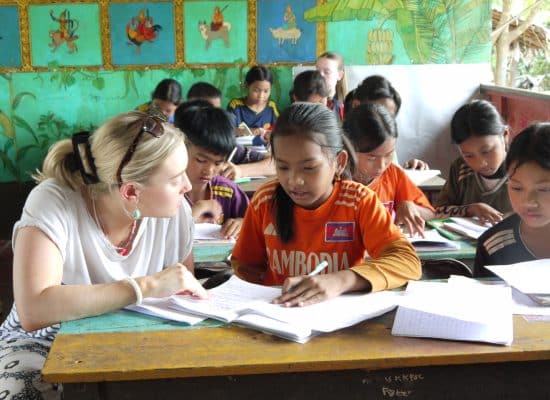
Education Support
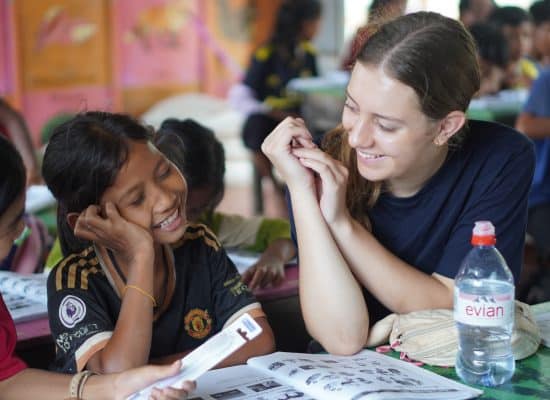
Support in education includes assisting with lessons, tutoring, and classroom activities. This helps reinforce learning for students while giving participants hands-on experience supporting education programmes in Cambodia.
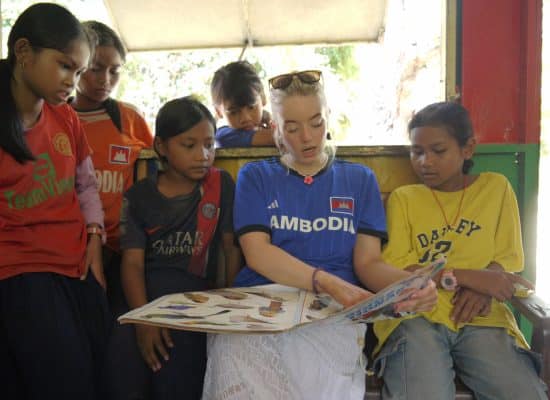
Sports Volunteering
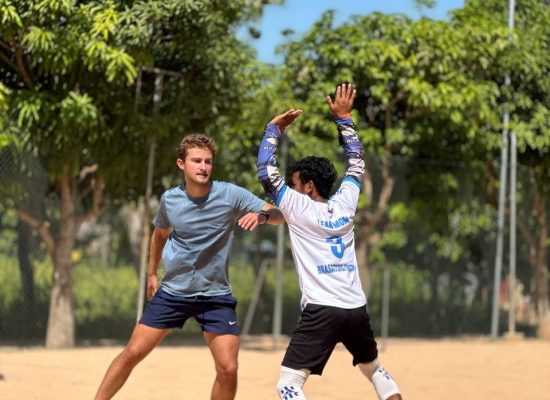
Helping Hands also offers Sports sessions to over 2,000 children in the wider community. Providing children with opportunities to build confidence, teamwork, and leadership skills. Volunteers can help organise games, assist with coaching, and support structured sports sessions under the guidance of local staff.
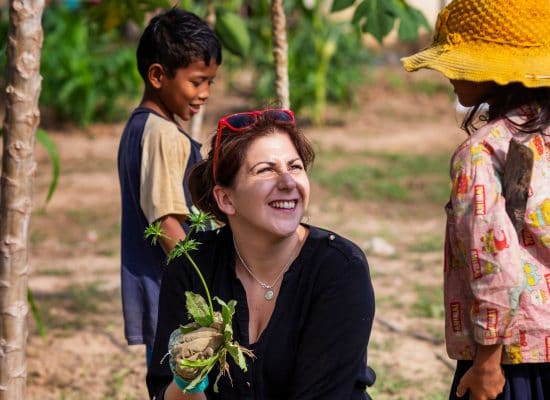
Food and Farming Volunteers
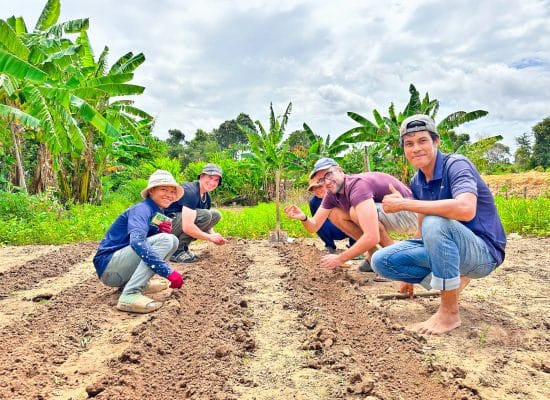
This area focuses on nutrition and sustainability. Volunteers may support meal preparation, school feeding programmes, or small-scale farming initiatives that help provide fresh food for the children while teaching valuable life skills.
Conclusion
Volunteering with children in Cambodia can be a safe, meaningful, and life-changing experience when approached in the right way. By choosing a responsible organisation, understanding safeguarding practices, and respecting the role of local communities, you can ensure your time has a positive and lasting impact.
It’s not just about what you give, but how you give it—supporting existing programmes, building trust, and contributing to sustainable development. With the right preparation and mindset, volunteering can be both a rewarding personal journey and a valuable experience for the children and communities you support.