
As per the World’s Veterinary Journal, worldwide, millions of pet animals become strays each year due to abandonment and uncontrolled population growth. It's a number that shows how urgent stray-animal welfare is. In Cusco, Peru, local estimates place the number of stray dogs at 14,000–40,000.
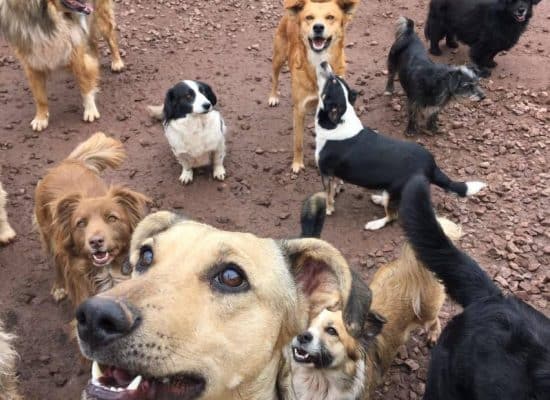
This data shows why ethical volunteer support is vital for animal welfare, community health, and long-term rescue efforts. Through Globalteer’s rescue programs, such as Peru Dog Rescue Project and PAWS (Peru Animal Welfare Society), dog volunteers help injured dogs, support local education, and strengthen welfare systems.
This blog explains how Globalteer’s ethical dog rescue in Cusco, Peru, works. Additionally, we explain what the Peru Dog Rescue Project and PAWS (Peru Animal Welfare Society) are, and what you can expect when you volunteer with dogs abroad.
How Does the Peru Dog Rescue Project Work?
Globalteer’s rescue dog project operates with due diligence to provide the proper care with the help of dog volunteers. Here's how they work behind the scenes.
Condition of Dogs Arriving at Rescue Centres
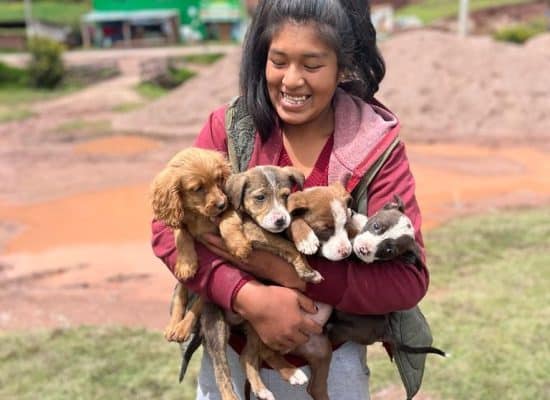
Most dogs arrive injured, abandoned, or severely malnourished. Additionally, some come as street-born puppies needing urgent support. Furthermore, staff respond to calls from locals, and this is where volunteering with dogs abroad becomes vital as you help provide basic care while the animals stabilise.
Working of the Rescue Centres
The Peru Dog Rescue Shelters offers safe shelter, medical care, and rehabilitation for rescued street dogs. Moreover, dogs stay until they are healthy, socialised, and ready for adoption. The dog shelter volunteer team also focuses on humane treatment and long-term welfare.
Support of Vets and Staff
Local vets manage diagnoses, treatment plans, and essential surgeries when needed. Meanwhile, staff handle daily routines, coordinate rescues, and guide volunteers. As a result, this teamwork allows each dog to recover at a steady and safe pace.

What is PAWS and How Does It Help Cusco’s Dogs?
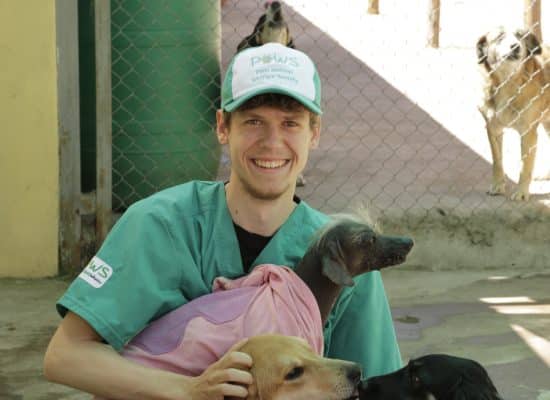
PAWS (Peru Animal Welfare Society) is Globalteer’s community-focused programme in Cusco, Peru, which works to reduce the population of street dogs. It is done through education, free sterilisation, and long-term welfare support.
Sterilization to Reduce Street Dog Populations
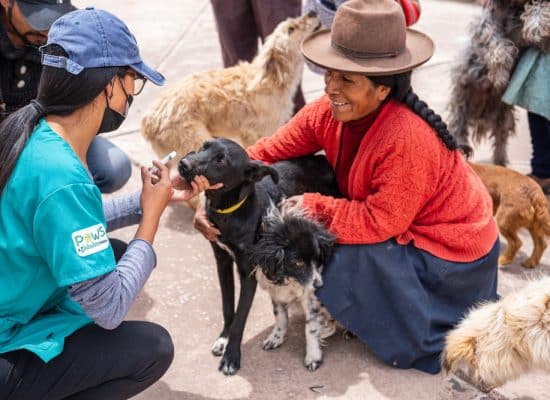
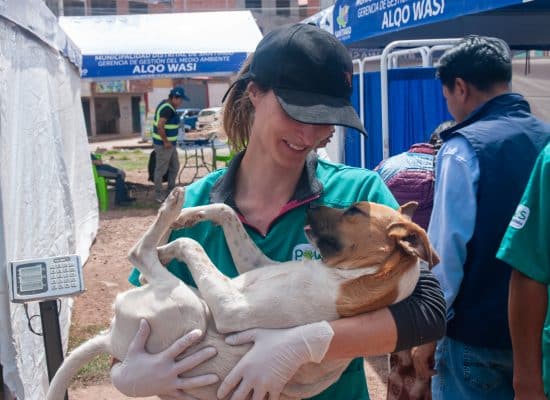
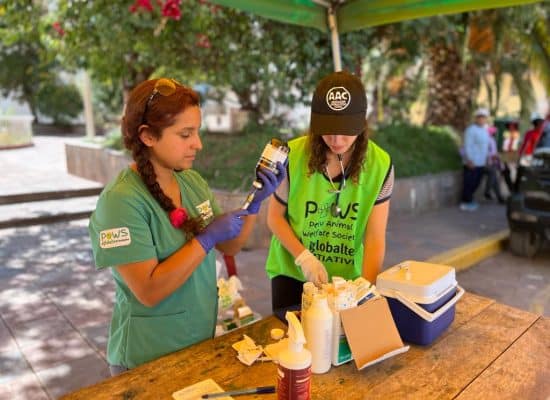
PAWS organizes sterilization campaigns to stop uncontrolled breeding. These campaigns lower the number of street dogs and reduce future suffering. Volunteers support events by helping staff and guiding owners.
Owner Education for Long-Term Change
PAWS teaches families about responsible care, nutrition, and humane treatment. Education sessions help owners make better decisions, which improves dog welfare over time. Additionally, dog shelter volunteers often assist with presentations during awareness workshops or event support.
Community Outreach to Strengthen Local Care
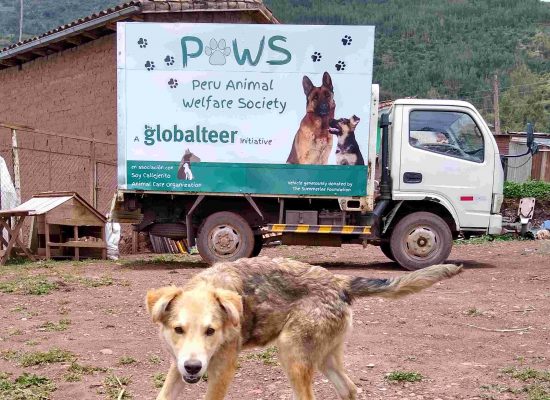
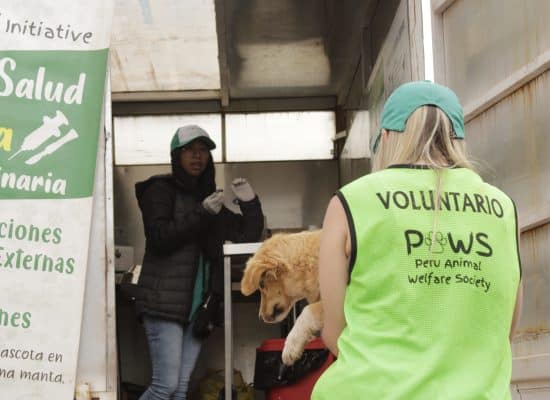
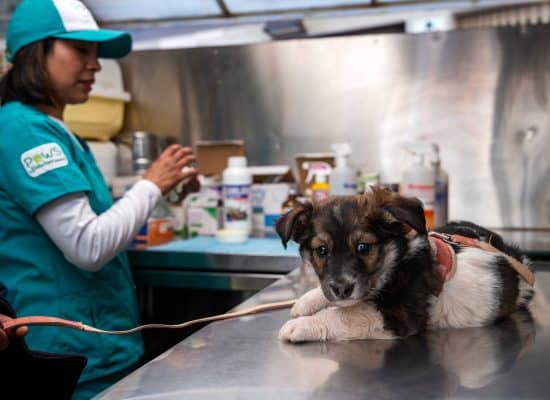
The PAWS team visits communities in our mobile clinic to provide checkups, vaccinations, and advice. Outreach increases trust and encourages more families to seek help. Dog volunteers play a supportive role in these activities.
PAWS vs Peru Dog Rescue Centre
If you’re opting for dog volunteering, you need to learn the difference between the two to perform the duties better. Here are the major differences between the two programs:
|
Feature |
PAWS (Community Outreach) |
Dog Rescue Centre (Shelter Care) |
|
Main Focus |
Prevention + education | Rescue + rehabilitation |
|
Key Activities |
Sterilization, training owners |
Feeding, treatment, recovery |
|
Location |
Across communities |
Centres in Cusco |
|
Volunteer Role |
Support events |
Help with daily care |
|
Goal |
Reduce future suffering |
Save dogs in crisis |
What Do Volunteers Do at the Dog Rescue Centre?
When you volunteer with dogs abroad, you support the daily routines that keep the animals safe, healthy, and calm. This also allows the rescue team to manage each dog’s care smoothly.
Daily Care Tasks
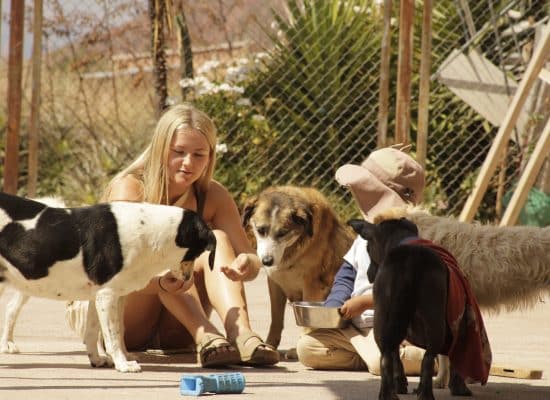
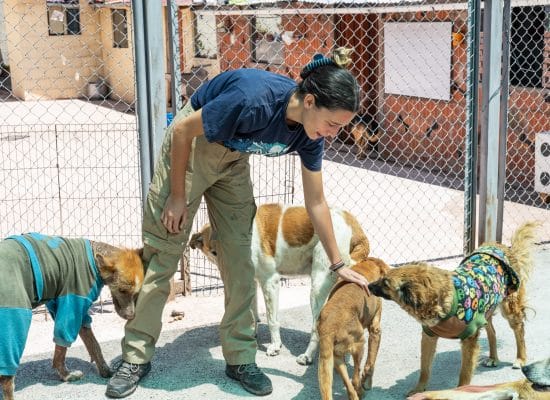
Volunteers feed dogs, clean kennels, and refill water bowls. They also help maintain shared areas, which creates a safe and comfortable space. These simple tasks ensure dogs feel secure throughout the day.
Rehabilitation and Enrichment
Dogs need gentle social time to rebuild trust. Volunteers join play sessions, calm handling, and basic training activities. These moments help dogs grow confident and prepare for adoption.
Medical Support Under Supervision
Volunteers assist by preparing supplies and observing treatments. They may also support recovery routines under careful staff supervision. This guidance ensures every dog receives proper and safe care.
Community Outreach
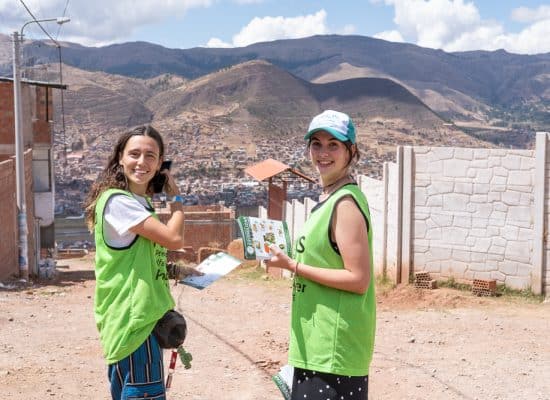
Some volunteers join local visits to share simple pet-care advice. These sessions teach families about nutrition, safety, and long-term welfare. As a result, outreach helps reduce preventable issues in the community.

What Training and Support Do Volunteers Receive?
You receive guidance before working directly with dogs. Before you start, you join an orientation that explains rules, safety, and daily routines. You also learn dog-handling basics, stress signals, and methods for calm interaction.
The training includes things such as:
- Understanding safe handling
- Learning behaviour signs
- Following hygiene rules
- Supporting vets when asked
In terms of support, volunteers also feel inspired by success stories and PAWS progress. Sterilization campaigns have improved welfare across several districts and reduced dog populations over time.

What Should You Expect When Volunteering in Cusco?
Volunteering in Cusco offers a structured routine and steady support from the rescue team. Here is a simple guide to daily life.
Daily Experience Overview:
|
What to Expect |
Description |
| Daily Routine | Your mornings usually start with feeding the dogs and cleaning their spaces. Afternoons can be time off or include enrichment, gentle training, or play sessions. This balance keeps each day active and purposeful. |
| Physical Demands | Some tasks require steady effort, especially when cleaning or lifting supplies. You may also meet large dogs that need calm handling. These duties are manageable with guidance from staff. |
| Emotional Realities | You may support injured or fearful dogs recovering from trauma. These moments can feel emotional but also very meaningful. Many volunteers gain confidence as they see dogs improve each week. |
| Working With Teams | You will work with local staff, vets, and international volunteers every day. This teamwork helps create a smooth and supported environment. It also teaches you safe and effective rescue practices. |
Volunteers often describe the experience as rewarding, meaningful, and deeply educational.

Who is this Volunteer Program Perfect For?
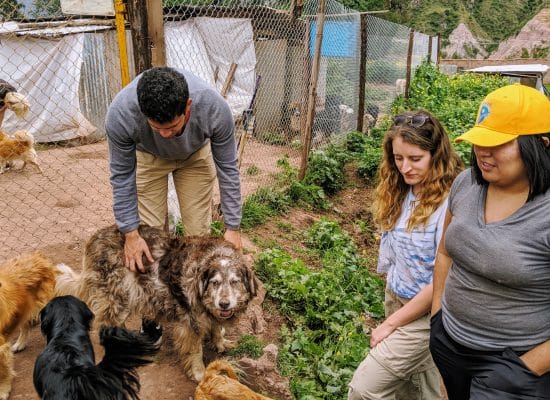
Volunteer programs in Peru are ideal for people who want hands-on animal care experience.
Perfect Volunteers Often Include:
- Animal lovers ready for daily care
- Veterinary students seeking field learning
- Gap-year travelers wanting meaningful service
Many volunteers also join because they love dogs and want to help Peru animal shelters.
How to Prepare for Your Volunteering Journey Abroad
Practical preparation guarantees that your volunteer abroad trip goes without incident. Follow these guidelines:
Visas, Vaccinations, and Insurance for International Volunteering
Most people can get a Peruvian visa on arrival, otherwise you should get your visa in advance. You can volunteer on a tourist visa. Also keep your vaccination, insurance and other suggested documents ready!
Preparing Emotionally and Mentally for Volunteering Overseas
Ethical volunteering abroad can be an emotional experience. Expect to face injured animals, hard treatments, and limited supplies. Psychological conditioning trains you to be productive and resist feeling crushed.
How to Volunteer Abroad Responsibly and Respectfully
Responsible volunteering is acknowledging your own shortcomings and letting the locals make decisions. Talk less and listen more at least in the beginning. Pay attention to how local workers care for animals and connect with people. After you observe for a while, offer respectful ideas that could make things better.
How Can You Prepare for Volunteering in Peru?
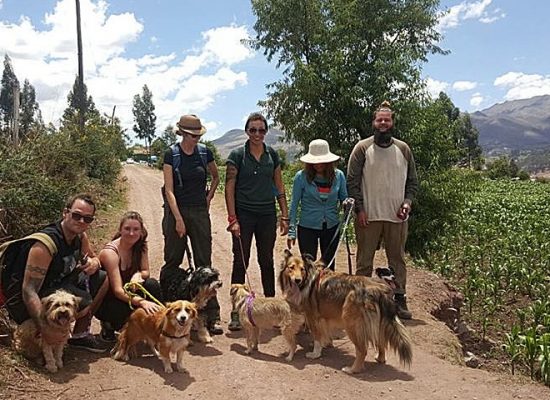
To prepare for becoming a volunteer in Peru, the first and foremost thing is willpower. You need to have that desire to change things for these silent creatures. Other than this, you can follow these basics:
Packing Essentials
Peru packing list includes gloves, sturdy shoes, and clothes suitable for cleaning and daily care. Peru’s weather shifts often, so pack layers and sun protection. A small medical kit is useful for everyday needs.
If you're still wondering what to pack for Peru? You can read this detailed guide on how to pack for a volunteer trip abroad.
Health and Safety Basics
Cusco sits at a high altitude, so adjust slowly and drink water often. Basic vaccines are usually recommended for travellers. Always follow the safety instructions shared by the rescue team.
Emotional Preparation
Some dogs arrive with trauma or fear from the streets. You may see tough cases, so prepare for emotional moments. However, progress often comes quickly and feels deeply rewarding.

How Can You Apply for Volunteering in Peru?
Peru volunteer opportunities are many and the application is simple, and the team guides you through every step so you feel supported from the start.
Steps and Requirements:
- Apply through the official pages
- Dog Rescue: https://www.globalteer.org/volunteer-programmes/peru-dog-rescue/
- PAWS: https://www.globalteer.org/paws/
- Follow the instructions for your documents and personal details.
- Choose your preferred duration and travel dates
During the volunteer work in Peru, you will receive full guidance before you arrive, so you feel ready and confident.

Wrap Up
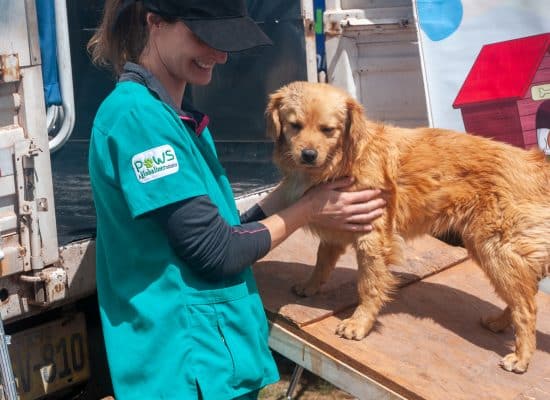
Volunteering with dogs abroad is a meaningful way to make a real difference. In Peru, many dogs need rescue, medical care, and safe shelter. Additionally, joining this programme supports both urgent care and long-term initiatives like PAWS.
Moreover, you gain hands-on experience, learn from trained staff, and help dogs recover and find loving homes. As a result, dog volunteer opportunities improve animal welfare across Cusco while bringing hope to dogs that need it most.