
Group volunteering is a powerful way to travel while making a meaningful contribution. Many participants choose volunteer abroad programmes that allow them to work collaboratively on a variety of projects rather than independently. This approach encourages teamwork, cultural exchange, and shared experiences, making it especially valuable for students, professionals, and organised groups looking to turn their efforts into real impact.
What Is Group Volunteering Abroad?
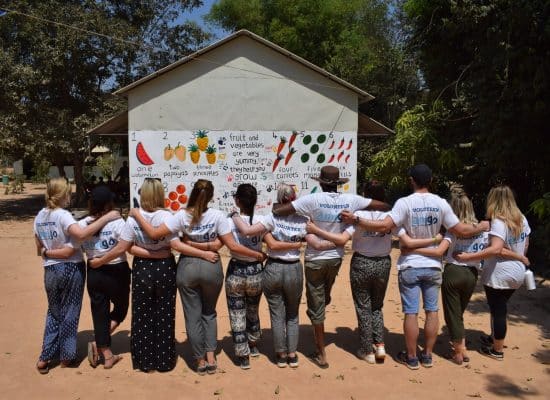
Group volunteering abroad involves participating in organised programmes that support local communities through a range of projects, often coordinated by international volunteer organisations. These initiatives can include areas such as education, construction, health, and community development. Volunteers contribute to strengthening local capacity and supporting ongoing programmes in the regions where they work.


Why Choose Group Volunteering Abroad?
One of the main benefits of group volunteering is the added sense of safety and support, making it an ideal option for those new to volunteering abroad. Key advantages include strong teamwork and shared responsibilities, structured guidance and assistance, easier access to international programmes, lower costs compared to solo travel, and valuable opportunities for cultural exchange with local communities.
- Strong focus on teamwork and shared responsibilities
- Greater sense of safety and structured support
- Easier introduction to international volunteering experiences
- More cost-effective than travelling or volunteering alone
- Enhanced opportunities for cultural exchange with local communities

What are the Types of Group Volunteering Programs?
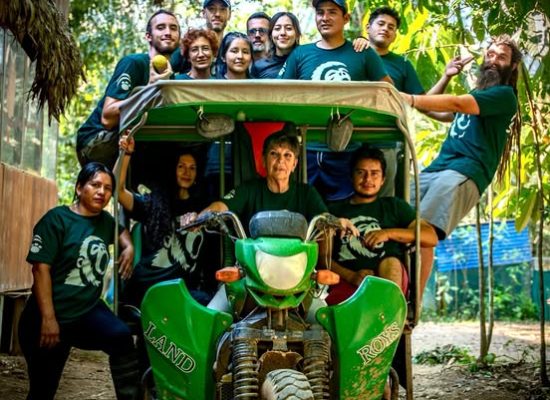
There are a wide range of organisations offering group volunteering programmes abroad, each providing unique experiences based on your interests and skills.
Community Development Programs
These programmes focus on improving the quality of life for local communities, often through initiatives in education, infrastructure, and social support.
Teaching and Childcare Programs
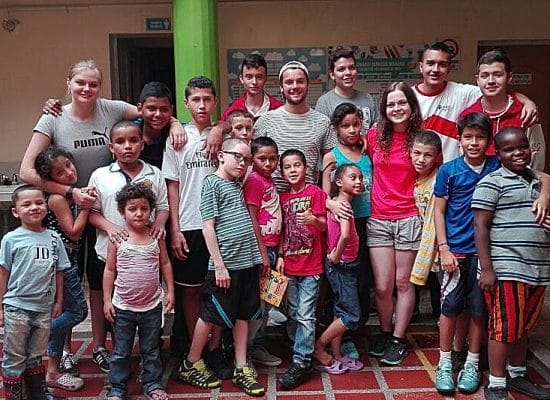
Volunteers support schools and learning centres by assisting with lessons, educational activities, and childcare in underserved areas.
Environmental and Conservation Projects
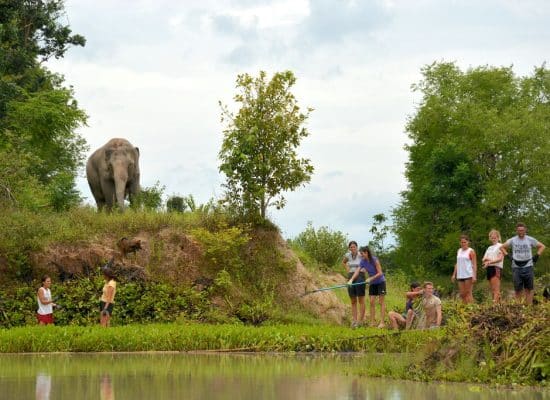
These include activities such as tree planting, clean-up campaigns, and conservation efforts aimed at protecting natural environments and promoting sustainability.
How to Choose the Right Group Volunteering Program?
Choosing the right programme ensures your experience is meaningful, safe, and impactful. To find the best fit:
- Review costs, roles, and the level of support provided
- Align the programme with your interests, whether that’s community work, education, or the environment
- Read reviews and feedback from past volunteers
- Ensure strong safety measures and reliable in-country support are in place


What to Expect Before You Go?
Before joining a group volunteering programme, there are a few important steps to prepare for your experience.
How to Apply and Join
Most international volunteer organisations have a simple application process, which may include an interview and, in some cases, background checks to ensure suitability.
Train and Preparation
Volunteers are typically provided with guidance on local culture, safety procedures, and their specific roles to help them feel confident and prepared.
Cost and Practical Arrangements
Participants should plan for programme fees, travel expenses, accommodation, and basic living arrangements, all of which are usually outlined in advance.
What to Expect During the Program?
Once you arrive, you can expect a structured yet hands-on experience.
Daily Tasks
Each day is organised around project work, with tasks depending on the type of programme you have joined.
Living Conditions
Accommodation is often shared, encouraging teamwork and helping volunteers build strong connections with one another.
Teamwork and Group Bonds
Working closely as a team is central to group volunteering, with collaboration and communication playing a key role in the overall experience.
Cultural Immersion
Volunteering internationally lets you learn from local groups and experience cultural diversity. Living and working alongside local communities offers a valuable opportunity to learn about different cultures, making this one of the most rewarding aspects of volunteering abroad.

What are the Challenges You May Face During Group Volunteering?
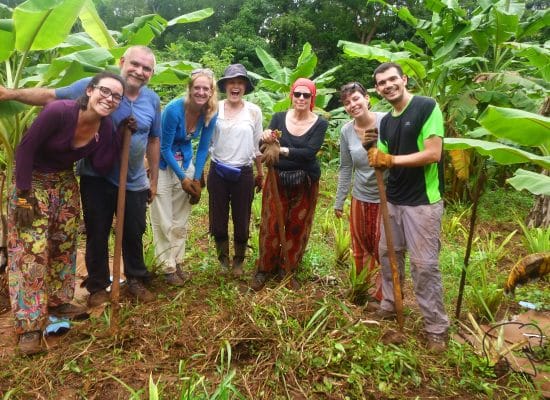
While group volunteering offers many benefits, it can also come with challenges. Volunteers may need to adapt to new languages and cultural norms, take part in physically demanding outdoor work, and navigate group dynamics. Adjusting emotionally to a new environment can also take time. However, these challenges are a natural part of the learning experience and are often supported within well-structured volunteer programmes.

What are the Skills You Can Build Through Group Volunteering?
Group volunteering is a great way to develop practical experience while strengthening key personal and professional skills.
- Builds cooperation and teamwork through shared responsibilities
- Enhances cross-cultural communication and understanding
- Develops leadership and problem-solving abilities
- Encourages adaptability in new and unfamiliar environments
- Provides real insight into how volunteer projects operate abroad
Many participants also gain a clearer sense of their interests and potential career paths through their experience in organised volunteer programmes.
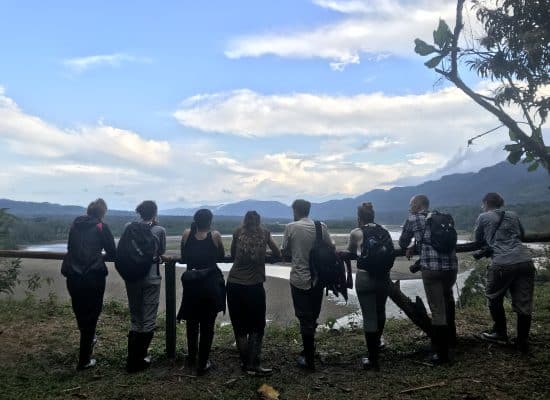

What Is the Real Impact of Group Volunteering Abroad?
While individual tasks may seem small in day-to-day terms, group volunteering can contribute to meaningful long-term support for local projects. The combined efforts of volunteers help strengthen ongoing initiatives and create lasting value for communities.
Some of the key impacts include:
- Supporting community development initiatives
- Contributing to environmental and conservation efforts
- Encouraging collaboration between local and international teams
- Raising awareness of global social and social development issues
- Creating sustainable impact through consistent, collective effort

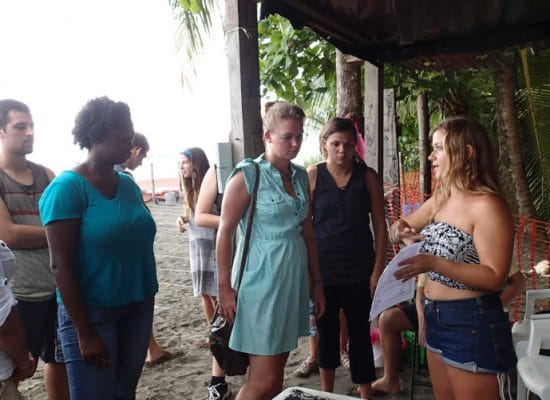
What are the Benefits of Group Volunteering Abroad?
Group volunteering abroad offers a wide range of personal and practical benefits, including:
- Stronger teamwork and leadership skills
- Increased global awareness and social responsibility
- Hands-on experience supporting local communities
- Opportunities to connect with fellow volunteers from around the world
- Personal growth and improved self-confidence
Many participants go on to seek further volunteer opportunities abroad after their first group experience, inspired to continue making a difference.
How to Prepare for Group Volunteering Abroad?
Good preparation is essential for a successful group volunteering experience. Key steps include:
Research the Program
Choose organisations with a strong track record of running ethical and well-supported volunteer projects abroad.
Pack Smart
Pack basics for your volunteer projects abroad. Bring essential items such as appropriate clothing, basic supplies, and important documents needed for your placement.
Build Team Connections
Connecting with your group before travel can help strengthen relationships and improve teamwork once the programme begins.
Learn About Local Culture
Understanding local customs and traditions helps improve communication, shows respect, and supports a more meaningful cultural exchange.


What are the Tips for a Successful Experience?
To make the most of your group volunteering experience, it helps to keep a positive and adaptable mindset. Key tips include:
- Be flexible and open to new experiences
- Respect local customs, people, and environments
- Communicate clearly and consistently within your group
- Focus on making a meaningful impact rather than personal convenience
These habits help ensure a more rewarding, effective, and enjoyable volunteering experience.


Conclusion
Group volunteering abroad is more than just travel; it is a shared experience that creates meaningful impact. Participants contribute to both local communities and group projects through organised programmes, while also developing valuable skills and a broader global awareness. International volunteer organisations help ensure these experiences are safe, structured, and lead to positive, lasting outcomes.