
A well-run elephant trek lets you watch elephants forage, socialize, and move at their own pace, without expecting them to perform. That kind of quiet observation builds real respect, not just a photo opportunity, and it's what more travelers are looking for. This guide explains what that connection means, what makes an encounter meaningful, and how giving back can turn it into real support.

What Makes an Elephant Experience Meaningful?
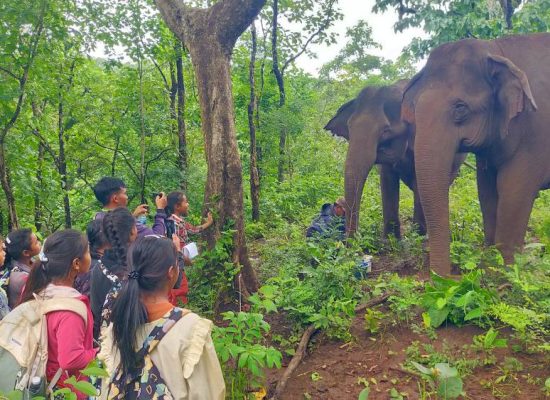
A few things separate a meaningful elephant encounter, the kind involved in true elephant sanctuary volunteering, from one built purely for entertainment:
- Time with elephants in their natural habitat, guided by people who know how to handle them
- Clear explanations of elephant behavior and needs, alongside shared cultural experience
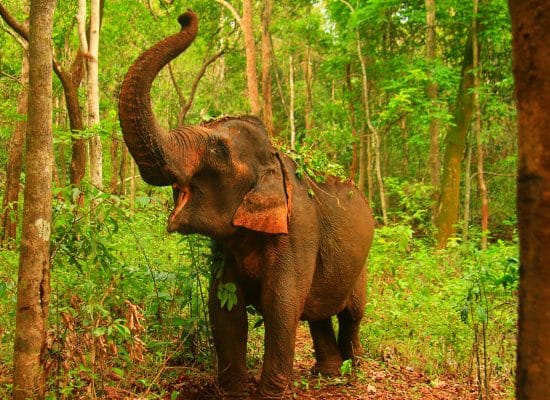
- A different way to enjoy wildlife, with no performances, rides, or music
- Interactions focused on the experience itself, not the photo
How Can You Connect With Elephants Responsibly?
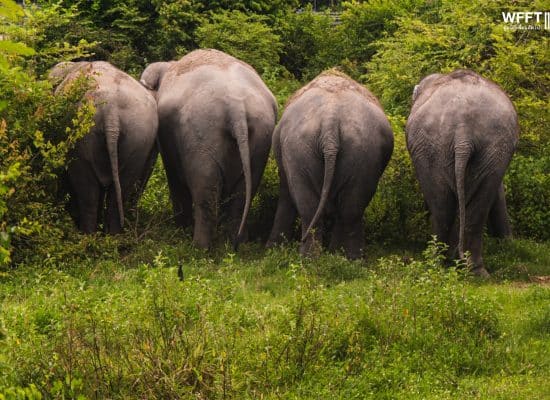
Responsible connection comes down to keeping your distance, being patient, and letting the elephants set the pace.
Observing Elephants in a Calm and Respectful Environment
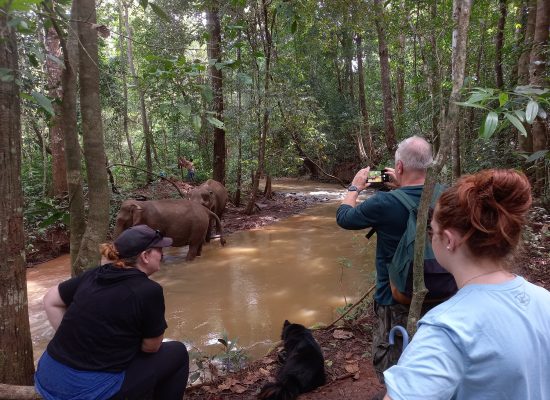
Watching from a comfortable distance, with no crowding or sudden movements, helps the elephants stay as relaxed and natural as possible.
Learning About Their Daily Routines and Individual Personalities
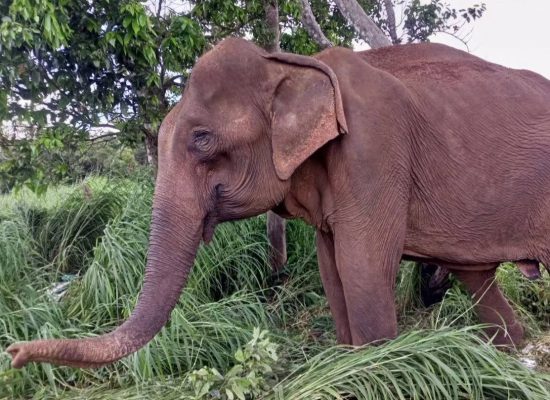
Each elephant in a sanctuary has its own history, routines, and personality. Learning these details makes every sighting more meaningful and personal.
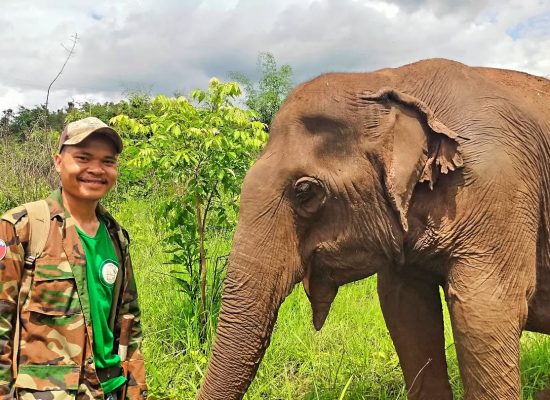
Following Guidance From Experienced Local Staff and Caregivers
Trained mahouts and caregivers set the pace and explain what visitors are seeing. That's how a well-guided elephant trek works.
Giving Elephants the Space and Freedom They Need
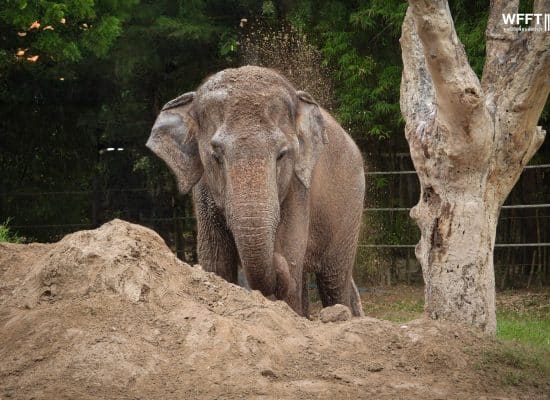
Elephants are at their best when they can walk, eat, or rest undisturbed, and that's when the best encounters happen.
Why Is Elephant Welfare Important for Wildlife Experiences?
Elephant welfare isn't a secondary part of a good wildlife program. It's the starting point.
| Priority | Why It Matters |
| Elephant wellbeing first | Ensures decisions are made for the animal, not the visitor experience |
| Natural behavior and freedom | Lets elephants roam, forage, and socialize without forced routines |
| Care, respect, and conservation | Builds long-term protection rather than short-term entertainment value |
| Responsible tourism standards | Encourages other operators to adopt higher welfare practices |
What Can You Learn From an Elephant Trek Experience?
An elephant trek offers more than a close-up view of elephants. It can change the way you see wildlife tourism.
Discovering More About Elephant Behavior and Social Interactions
Watching a herd comfort, discipline, and cooperate with one another reveals far more than a quick visit ever could. Over a couple of days, patterns start to appear: which elephants stay close, which ones lead, and how the group moves together.
Learning About the Challenges Elephants Face in Tourism and Captivity
Many rescued elephants live with lasting physical and behavioral effects from their past that still need care. Knowing that history shapes how you view elephant tourism elsewhere, and makes it easier to see the truth behind claims about conservation and care.
Developing a Deeper Understanding of Wildlife Conservation
Seeing the day-to-day work of conservation, from veterinary care to daily monitoring, makes the bigger picture of wildlife protection feel real. Anyone can read about conservation online, but seeing it in action is different.
Turning a Memorable Experience Into Greater Awareness
The best part isn't the experience itself. It's the understanding that stays with you afterward. Visitors often leave asking sharper questions about future animal tourism experiences, rather than booking the first or cheapest option they find.
How Can Volunteers Support Elephant Conservation?
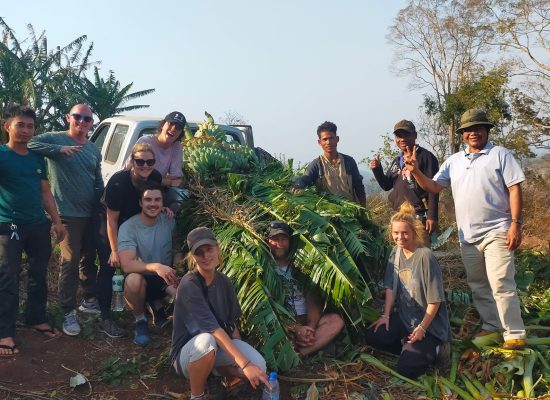
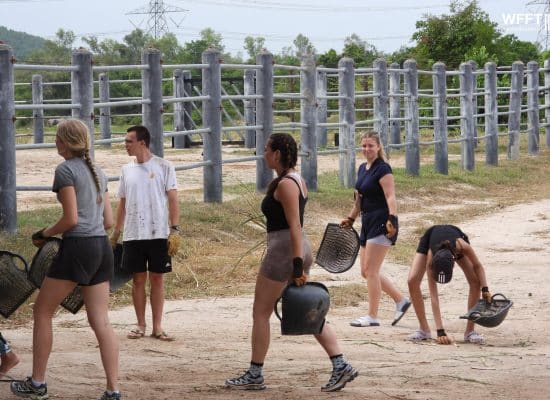
Beyond observing, some visitors choose to get more involved through animal volunteer work abroad:
- Supporting elephant conservation under the direction of local staff
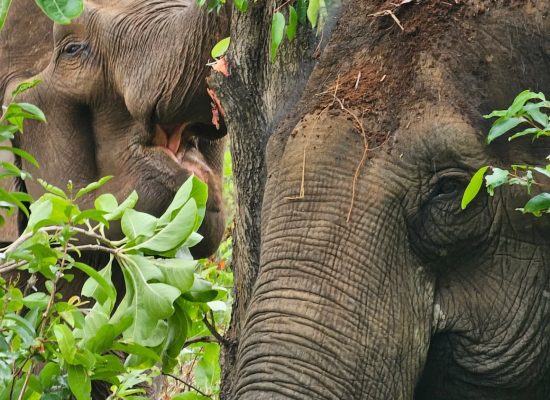
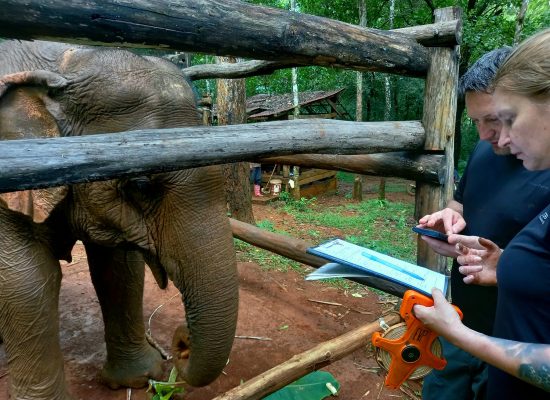
- Helping with habitat maintenance, feeding, daily care, and basic monitoring
- Supporting conservation teams and the local communities they work with
- Learning how small, consistent volunteer efforts make a difference over time
How Can Responsible Tourism Benefit Elephants and Communities?
Done well, responsible tourism benefits people as well as elephants.
Encouraging Informed Wildlife Tourism Choices
Visitors who ask about elephant care, instead of just booking the cheapest or closest option, help raise standards over time.
Supporting Local Conservation and Community-Based Projects
Conservation volunteering abroad works best when it's done directly with local organizations, so funding and decision-making stay in the local community.
Creating Opportunities for Communities to Benefit
Beyond the long-term conservation benefits, jobs for caregivers, guides, and support staff bring immediate income to local communities. They also help keep a healthy elephant population on the land those communities depend on.
Promoting Greater Awareness of Elephant Welfare
Every time a visitor learns there's a better way to care for elephants than rides, shows, and other cruel practices, they become more likely to support ethical projects instead.
Why Choose Globalteer for an Elephant Conservation Experience?
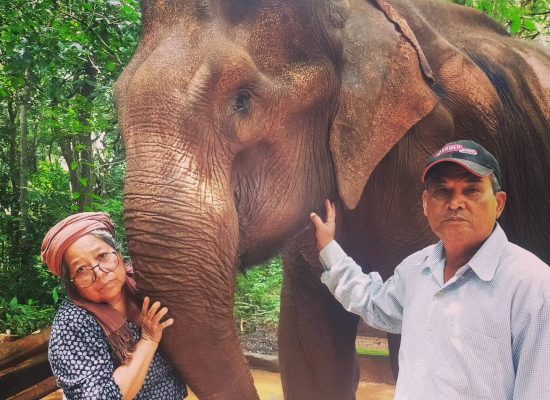
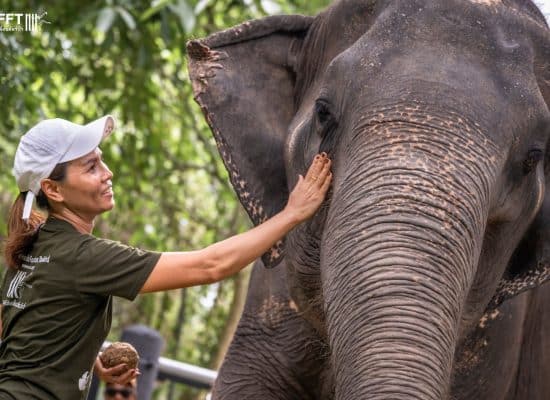
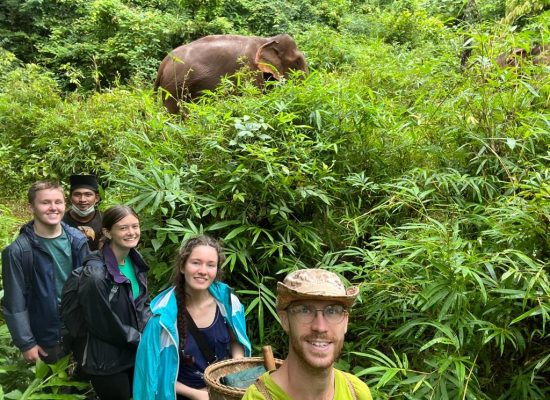
At the Cambodia Elephant Sanctuary, volunteers who join Globalteer work alongside skilled local staff caring for the elephants, instead of watching them perform. It's a practical example of responsible animal volunteer work abroad, set deep in Cambodia's jungle. You help the elephants and see how your support benefits the community that cares for them.
Conclusion
A meaningful elephant encounter depends on the right priorities: no riding, keeping your distance and following local guidance, and choosing projects that put elephants before people. The impact on the elephants and the communities protecting them isn't a one-time event. It's a long-term change.

Ready to Create a Meaningful Connection With Elephants?
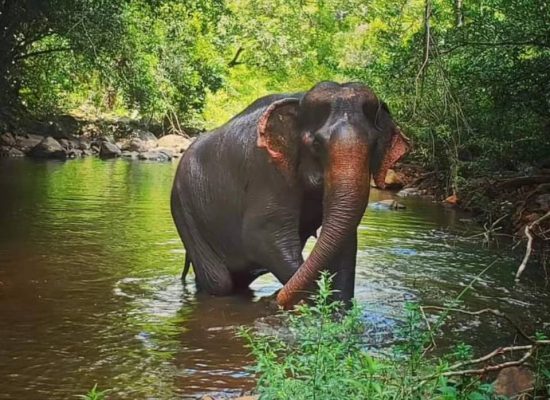
Globalteer's elephant sanctuary program lets you learn about the elephants and support their recovery on their terms, not yours. We'd love to have you.