
Ever wondered how you can help elephants while traveling?
Thailand and Cambodia offer great options for ethical elephant volunteering. Today, many travelers avoid riding elephants or watching shows. Instead, they want to make a real difference.
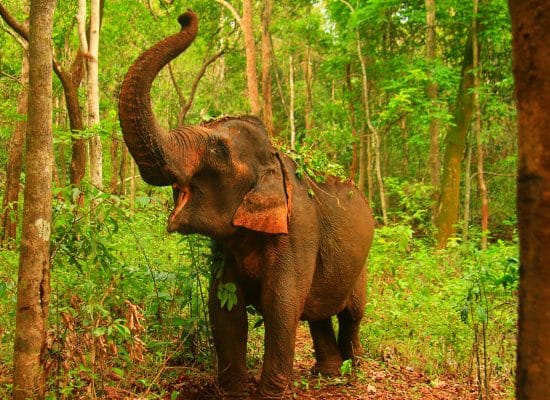
In 2020, World Animal Protection shared a report. About 2,798 elephants are kept in tourism venues across Thailand. Sadly, 63% lived in poor conditions. By 2025, the number of captive elephants reached about 3,500. Most still lived in tourist camps. Because of this, ethical volunteering is now more important than ever.
You can join programs for volunteering in Cambodia and Thailand. These programs help you volunteer to take care of elephants. They protect elephant habitats and involve volunteers in daily work. They also support local communities.
Current State of Ethical Elephant Volunteering
Elephant volunteering has changed a lot in recent years. Today, programs focus on the needs of elephants, not tourists. Volunteers want honest and safe roles. They want elephants to live naturally.
Progress Made in the Last Decade
Thailand and Cambodia reduced elephant shows and rides in the last ten years. Instead, many places now offer hands-off activities and forest walks. These changes help improve elephant volunteer programs and elephant sanctuary volunteer opportunities in both countries. They also let volunteers support local people in better ways.
Why Ethics Became a Priority?
People began noticing old elephant practices. Consequently, ethics became more important. Travelers wanted experiences that were kind to animals. Now, travelers want cruelty-free elephant care.
- Places provide elephants with better lives.
- Now, ethics have improved volunteer work in Cambodia.
- Also, it gives safe volunteer elephant sanctuary Thailand experiences.
- Volunteers trust and feel confident in their choices.
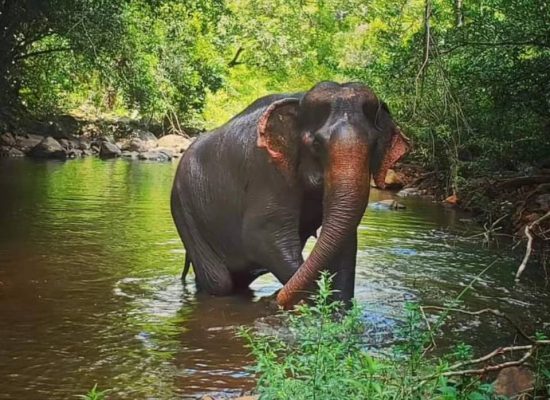
What Makes Volunteering “Ethical” Today?
Ethical volunteering uses clear rules to protect elephants. Programs now focus on respect, honesty, and care. In short, this is what makes volunteering ethical today:
Core Welfare Standards
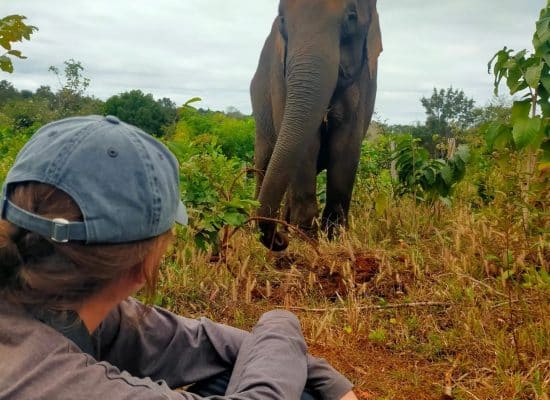
Top ethical programs make sure elephants aren’t forced. Volunteers help prepare meals or watch elephants, but don't ride them. Therefore, these teach volunteers how to work with elephants in safe and honest ways.
Sanctuary Requirements
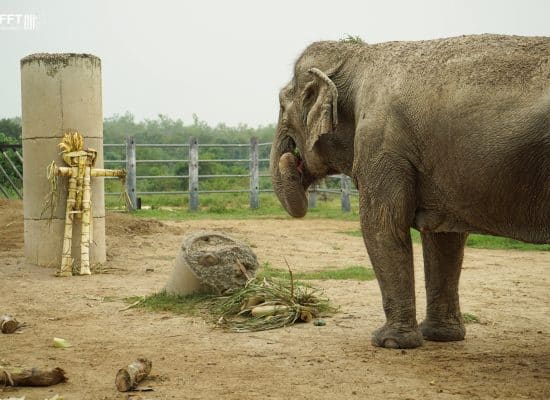
Good sanctuaries always put elephants' needs first. They let elephants move freely and pay mahouts fairly. They also share information with volunteers. Moreover, many local groups and programs offer voluntary work in Cambodia and Thailand. The trusted volunteer elephant sanctuary initiatives let volunteers do long-term care work.
| Globalteer’s broader Animal Rescue and Community Projects in Cambodia support both elephants and people. |
Industry Guidelines
Travel groups and experts now set clear rules for safe wildlife jobs. As a result, these rules protect both elephants and people. Apart from this, it makes sure meetings are safe. Initiatives that follow these rules gain trust and confidence. In addition, the projects must:
- Limit touching elephants to keep meetings safe.
- Safety rules to guide workers at every step.
- Caring rules ensure the health of the elephants.
- Jobs following these standards are better.
Now, you can choose volunteer work with elephants in Thailand easily.
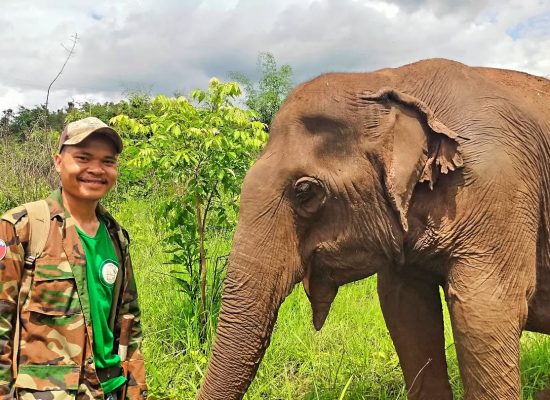

Experience-Based Insights
Today, volunteer work focuses on natural elephant care. Also, programs help elephants stay healthy. It also gives volunteers good skills.
What Volunteers Experience Today?
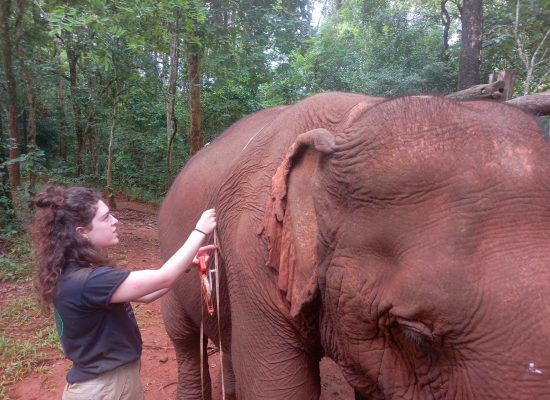
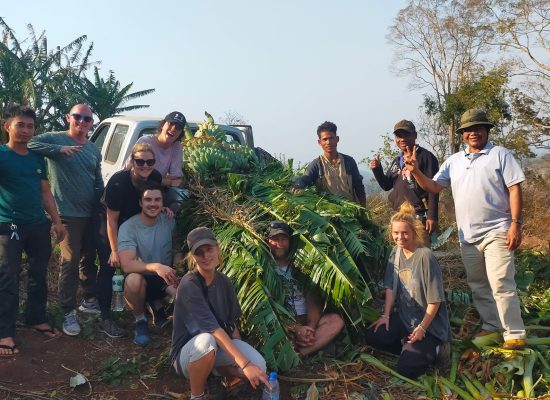
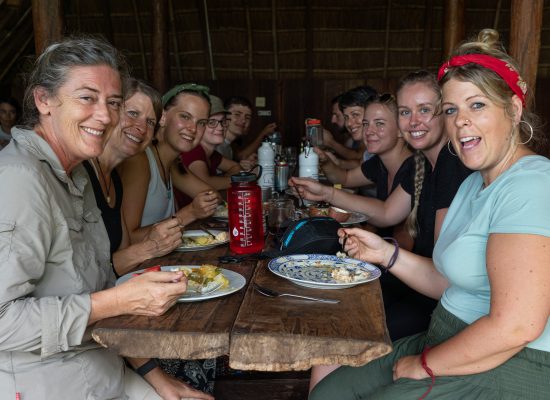
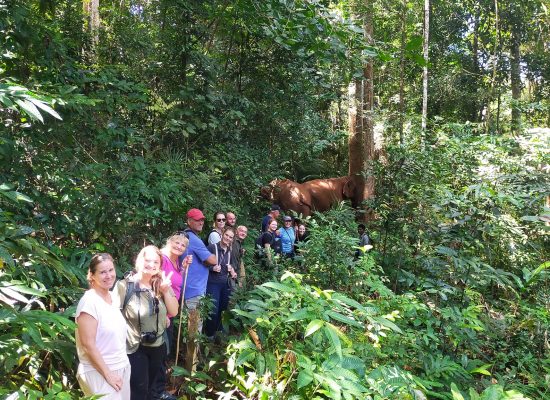
Working at an ethical elephant place lets volunteers take care of elephants through daily chores. In this way, they volunteer with elephants abroad in a much better way. They learn to meet with the animals and nature. Common jobs that volunteers usually do are:
- Food Cooking: Cutting fruits, vegetables, and other meals for the elephants.
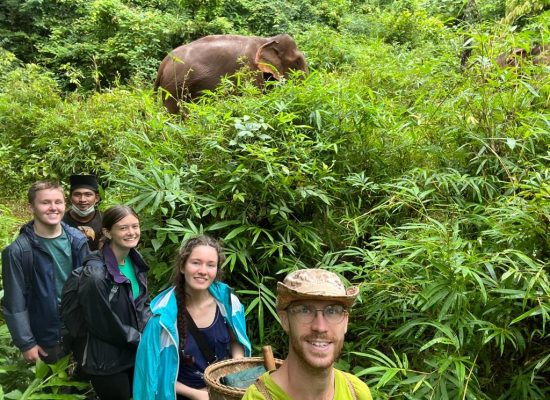
- Forest Walks: Seeing elephants moving in natural habitats.
- Home Building: Planting trees, cleaning enclosures, and keeping up the animal home.
See a more detailed Daily Schedule & Activities here!
How Programs Are Evolving?
Elephant volunteer jobs are shifting toward more moral and natural ways. Thus, instead of tourist-style meet-ups, sanctuaries now focus on forest areas. Plus, many Cambodia elephant sanctuary volunteer programs now follow forest models. These provide ethical roles while ensuring better elephant welfare.
| Aspect | Old Model | Modern Ethical Approach |
| Space | Small enclosures | Large forest areas |
| Interaction | Riding, tricks | Observational and hands-off activities |
| Focus | Entertainment | Long-term welfare |
| Volunteer Role | Passive spectator | Volunteers take an active role in caring for elephants and maintaining their habitat. |
On-Ground Realities
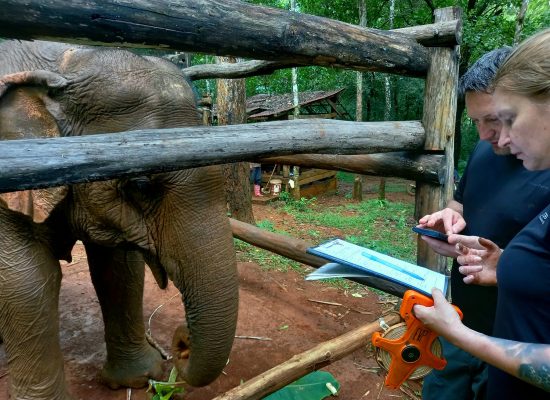
Behind every animal's home is a team that keeps everything working. Together, these teams shape volunteer roles and ensure elephants have proper care. Indeed, Cambodia volunteer opportunities and Thailand-based programs rely on the worker's knowledge. It also relates to experiences like:
- Working to take care of elephants.
- Working at Elephant Sanctuary Thailand.
Who Makes It Work?
- Mahouts: Care for elephants every day.
- Animal Doctors: Watch health and treat illnesses.
- Cooks and Staff: Make food and keep up facilities.
- Local Families: Give knowledge, cultural support, and help with care.
Authoritativeness: Shifts in Thailand & Cambodia
Both Thailand and Cambodia are moving toward more practical ways of elephant care. Indeed, they have a long history with elephants. Growing global attention also plays a role. Together, these help guide new practices and volunteer work.
Thailand Trends
Thailand has moved away from an entertainment-focused circus. Travelers now choose Thailand elephant volunteer programs. It allows them to observe, learn, and work without harming the animals. For instance, today, many animal homes:
- Get official certificates and meet strict welfare rules.
- Focus on learning rather than riding or shows.
- Focus on natural elephant behaviors and safe volunteer meet-ups.
Cambodia Trends
Cambodia is a growing hub for ethical elephant volunteering programs. Recently, it has emerged as a destination for ethical elephant care. The key changes include:
- Care programs led by local groups.
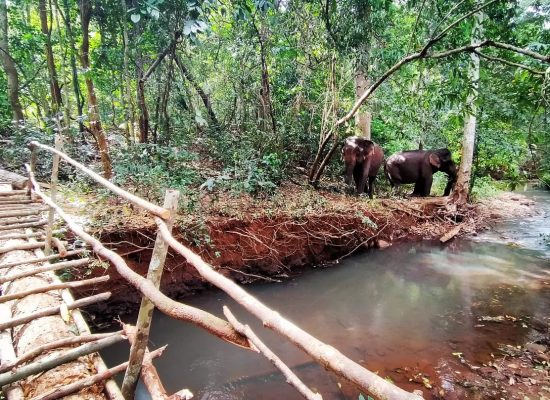
- Animal homes shielding large forest areas for semi-wild elephants.
- Chance for safe work and wild care.
Regional Collaboration
Thailand and Cambodia share ideas and ways through carer networks. Plus, this makes elephant sanctuary volunteering jobs more enduring across the region. Besides, the support from global NGOs:
- Improves welfare levels.
- Gives volunteers access to well-run jobs.
The Future of Ethical Elephant Volunteering
The future brings greener spaces, strong local leaders, and clear actions. Programs must protect elephants and give volunteers good roles.
Increased Community-Centered Models
More projects involve local groups. Their knowledge of elephants and forests is strong. Their work boosts Cambodia volunteer programs and ensures long-term wildlife care.
More Forest-Based Volunteering
Larger forest zones are now open in animal homes for elephants to roam. Workers care for the land, keep up trails, and watch the area's health. So, this creates stronger elephant volunteer opportunities and healthier lives.
Stronger Global Transparency Standards
Travelers want clear info about jobs. Animal homes now share welfare rules, elephant stories, and fees. These help workers compare volunteer opportunities in Cambodia and Thailand better.
Technology-Driven Conservation Support
Tools like drones, maps, and monitors help track elephants and protect homes.
What Volunteers Should Look for Going Forward?
It’s important to choose jobs that follow strong moral rules. The right program works with local groups. As a result, it helps elephants live in safer homes.
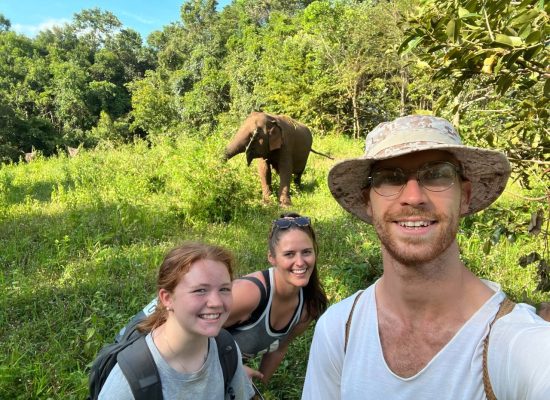
Here are the key things you should look for to find a responsible volunteer in Cambodia and Thailand.
- Clear fee details: You should know exactly where your money goes. The right program shows you how funds support the elephants. While also helping staff and care jobs.
- Public welfare rules: Look for jobs that share their rules for elephant care. It will enable you to choose animal homes that focus on animal welfare.
- No touching, riding, or shows: Moral programs make sure elephants are not exploited.
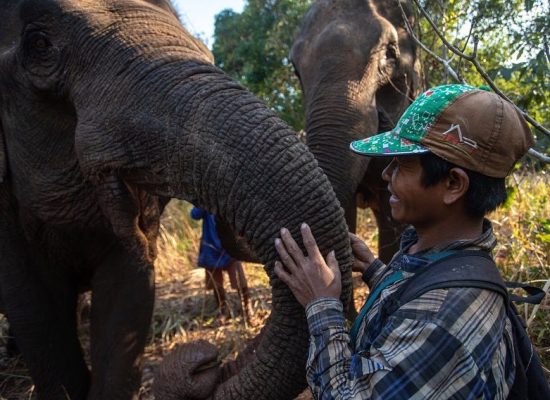
- Strong local partnerships: Programs including local groups have a bigger impact. In fact, they tap into deep knowledge about elephants and forests.
- Independent audits or reviews: Programs audited or reviewed by outside experts are reliable. Check out the reviews to discover if they follow welfare and financial rules.
Practical Tips for Choosing a Future-Proof Ethical Program
Picking an ethical volunteer program needs care. Not all experiences are equal. So, it’s important to look for the right program. It protects elephants and supports the local people around them.
Look for Community Ownership
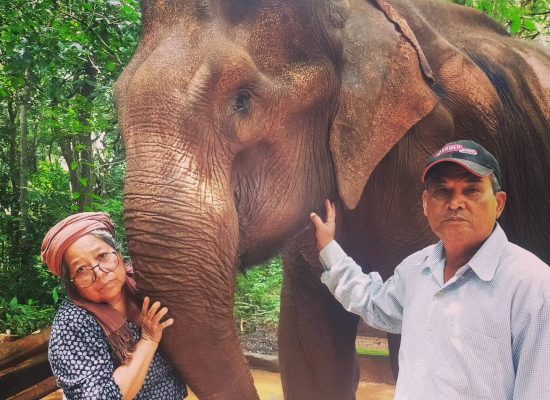
Programs led by local families usually provide better care. These people have a deep knowledge of elephants and forests. This makes a real difference for care work.
Check Wildlife Interaction Rules
Moral programs have strict rules for touching, feeding, or bathing elephants. It shows animals are safe and calm.
Verify Credible Partnerships
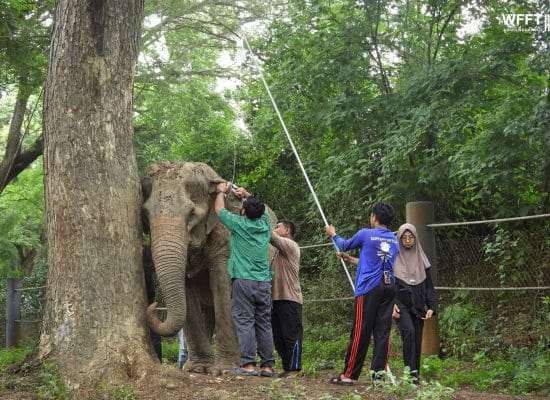
Check for jobs related to care groups, local organizations, or independent reviewers. Such partnerships provide workers with reliable roles. Also, it shows that the program is serious about long-term outcomes.
Conclusion
Elephant volunteering continues to grow. Cambodia and Thailand are leaders, with rich traditions. They ensure to provide more space for elephants. So, choose Cambodia volunteer opportunities, Thailand elephant sanctuary volunteer programs, and responsible wildlife roles. It will help you shape the future of elephant care. Also, these programs focus on welfare and local leadership. They treat elephants with respect. At last, ethical volunteering makes travel better. It also protects elephants for years to come.
Start making an impact today. Choose an ethical program you can trust. Visit Globalteer to get started.