
Elephants are some of the most magnificent animals on our planet. But today, they face huge challenges. Illegal logging and bad tourism endanger elephants. Hence, volunteering can be a powerful way to help. It is more than a holiday. Elephant volunteering aids in elephant conservation.

Moreover, these programs help uplift local communities. When done well, it helps ethical wildlife tourism. This aids tourists and lets volunteers make an impact.Thus, it’s critical to know the morals. Pick a program that supports elephant rehabilitation and doesn’t harm them.
What Elephant Rehabilitation Involves
A quick solution is crucial rather than healing. Here is what rehabilitation involves:
Rescue
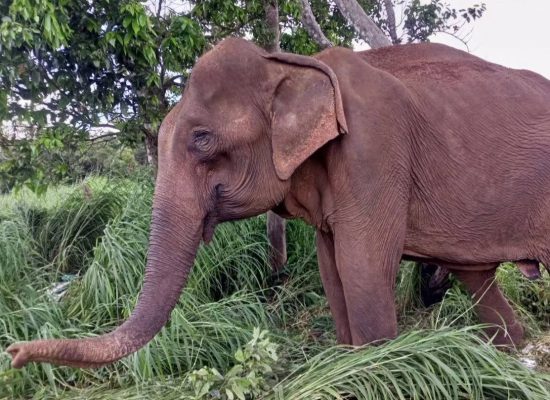
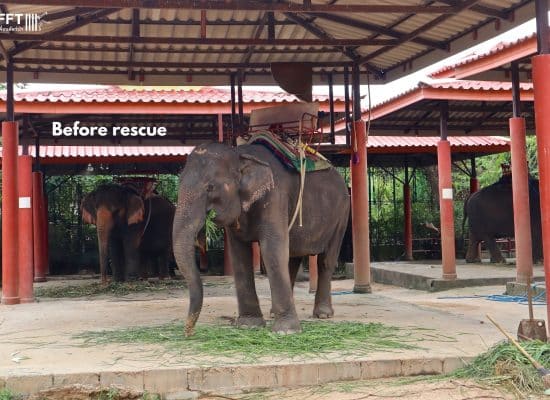
Elephants are safe from labour jobs and other camps. Thus, the Cambodia Elephant Sanctuary program exists. This sanctuary focuses on rescuing elephants.
Medical Care
Once rescued, elephants need immediate health checks. They receive nutrition. This is crucial for both the welfare of the elephants and the work.
Nutrition
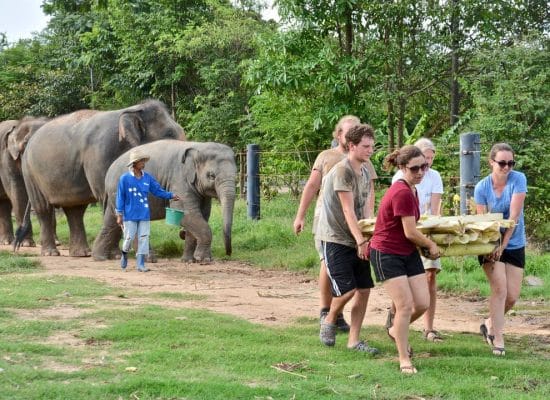
They must have a balanced diet to regain their strength. Care workers help prepare food for them. This preparation is key to the success of elephant programs.
Behaviour Monitoring & Enrichment
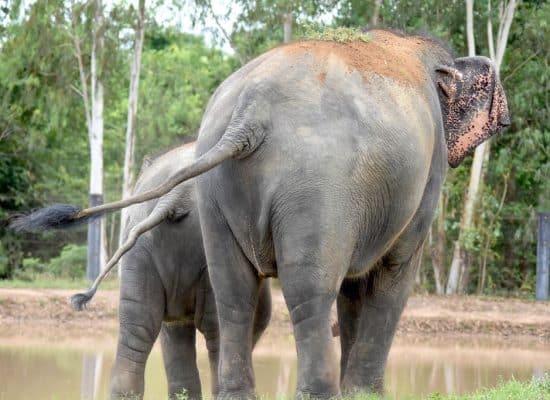
Rehabilitation isn’t physical. Elephants need mental enrichment and social interaction. Hence, space is a must to roam. This will also help in expressing their instincts.
Sanctuary & Rewilding
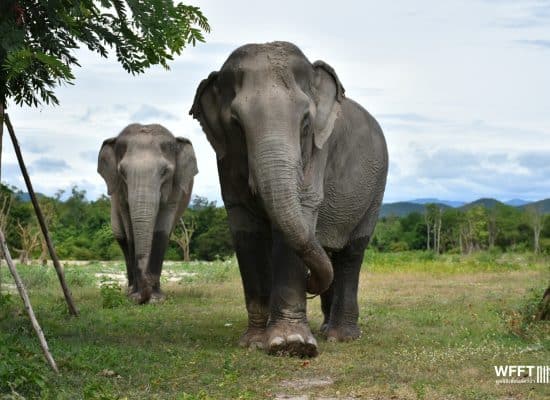
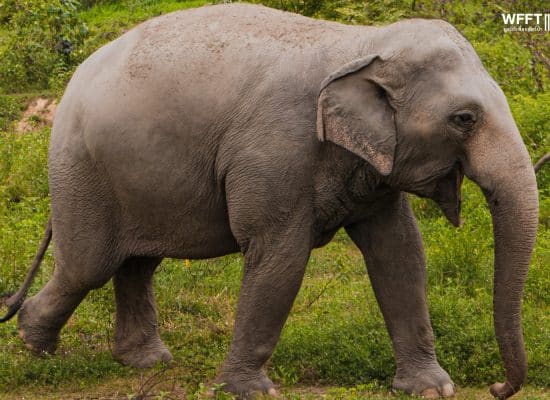
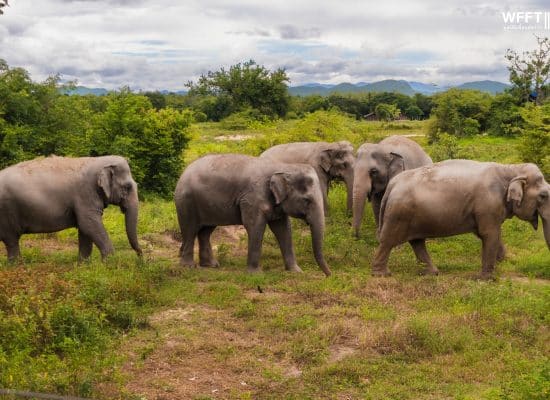
Elephants live in big sanctuary areas for safety. They might go back to more natural habitats if it's safe to do so.
Long-Term Support
Rehabilitation requires consistent funding and reliable volunteers. That’s why consistent help matters so much. Schemes like Globalteer’s elephant volunteering help.
How Volunteering Supports Elephant Rehabilitation
When you join an elephant care work program, you are not only watching. Rather than you helping. They support elephant rehabilitation, such as:
Habitat Restoration
Clear invasive plants. You help maintain forest trails. This keeps the habitat healthy. Also, it supports long-term community-led conservation projects.
Food Prep & Enrichment
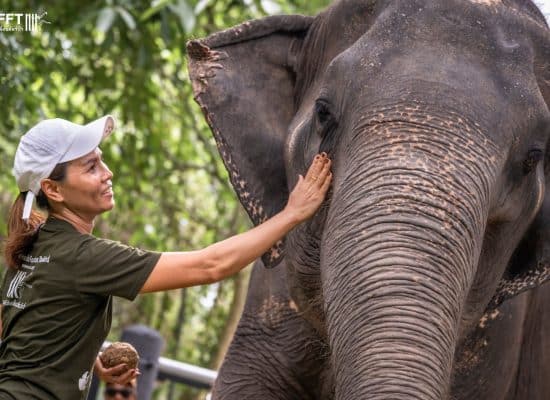
Prepare food for the elephants. It makes enrichment toys. You can also engage them in simple activities. This keeps the elephants active and happy.
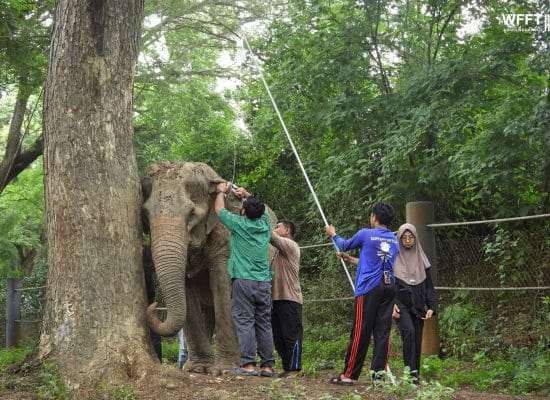
Welfare Monitoring
You watch the elephants each day. And sometimes they are ill or injured. This helps elephant conservation projects thrive.
Assist Mahouts and staff
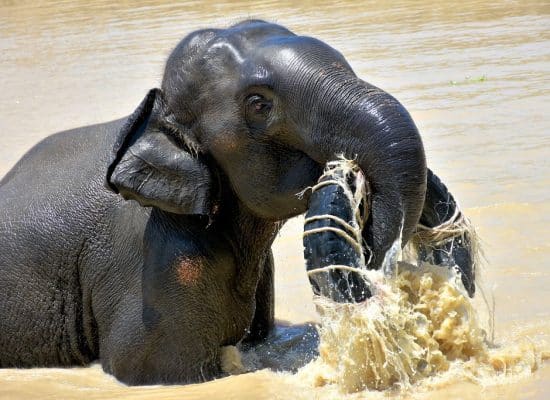
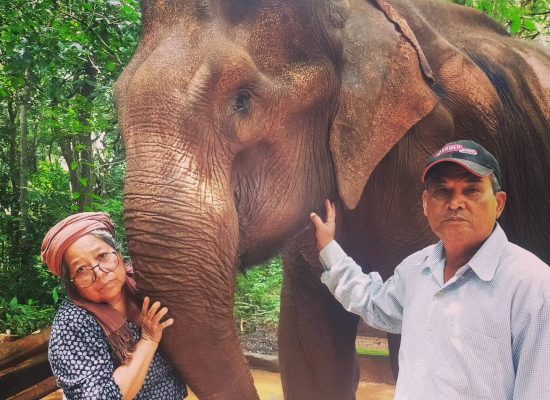
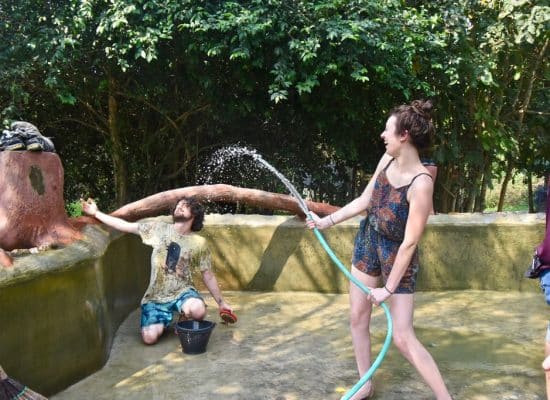
Working with mahouts to gain insights into their lives. You help with feeding and bathing. Also, you can learn from the staff who care for elephants every day.
Conflict Reduction Projects
Support farms in nearby villages. This teaches people how to live safely near elephants. Hence, it reduces human–elephant conflict.
These help elephant welfare and volunteer work. This will provide volunteers with hands-on experience.
Current State of Elephants Worldwide
Elephants are vanishing at alarming rates. The main reasons are habitat loss and damage to the environment. According to recent studies and wildlife reports:
- African elephant populations have declined by 90%. This is over the last 30 to 50 years. It is due to hunting and the large-scale loss of dense forests.
- Savanna elephant numbers have fallen by about 70%. This is happening because of land loss.
How does volunteering help local communities?
Elephant care work programs not only serve. They also benefit local people in a way:
Jobs & Livelihoods
Local people find stable work in sanctuaries. These jobs help families. Moreover, they also strengthen community volunteering initiatives.
Support for Indigenous Communities
Many work with mahouts and other local groups. This gives them a steady income. Also, respect for their traditional knowledge.
Education & Skills
Care workers join village workshops. They teach friendly living and wildlife protection.
Tourism Revenue
Visitors bring money into the locals ' lives. This funding improves schools and local facilities.
Alternatives to Harmful Tourism
With proper support, locals shift away from rides and shows. They move towards more long lasting livelihoods.
Connection Between Wildlife Conservation and Local Development
Saving elephants is not only about the animals, it’s about people too:
Group-led Conservation
Involving local people makes conservation more sustainable. Groups know the land, the elephants, and the challenges.
Cultural Knowledge
Original knowledge helps us to care for elephants in a proper way.
Joint Models
Projects merge wildlife care with local growth. Care workers are vital in these teamwork models.
Empowerment
Shared conservation fosters a sense of ownership. They hold their elephants & traditions with respect.
Working together ensures that both grow. Highlighting the essence of responsible wildlife volunteering.
Choosing an Ethical Elephant Volunteer Program
Selecting the right program is beneficial. It helps both elephants and local communities. Here’s what to look for:
No Riding or Shows
Avoid programs offering elephant rides or performances.
Hands-Off Philosophy
Ethical sanctuaries let elephants stay calm. Volunteers assist without exploiting them.
Clear Funding
Make sure the fees help with elephant care. And also, it supports nearby communities.
Meaningful Tasks
Tasks should include:
- Habitat work
- Welfare monitoring
- Education
Community Partnerships
Choose programs that work with local groups. They are not only those who focus on profit.
Certified or Well-Rated
Always check the ratings and reviews online.
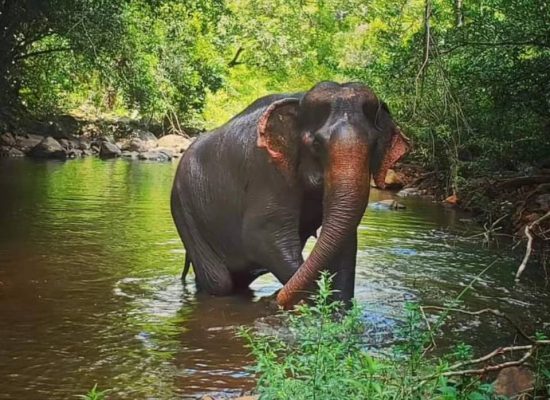
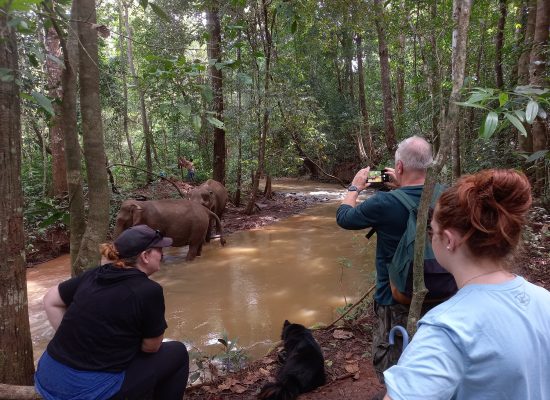
Globalteer offers several such programs. The Thailand Elephant Sanctuary is a safe place. Here, volunteers forage, bathe, and walk elephants.
What are the risks and challenges involved?
Even moral care work has challenges. Insight helps care workers make informed choices:
- Voluntourism Dangers : Some programs exploit animals or locals. Research matters.
- Short-Term Volunteers vs Long-Term Impact: One-off visits can have a limited effect if they are not structured well.
- Cultural Sensitivity: Respect local culture and practices. Group-led projects are stronger.
- Animal Stress: Care workers should stick to the rules to keep elephants calm. Ethical programs train workers with great impact.
- Sustainability: Projects should reinvest volunteer contributions with care. This is key to lasting conservation.
Learn the risks to tell you the importance of care work. They need support to protect wildlife. Hence, it helps in human welfare.
What are the real examples?
Here are various real-life examples you consider:
- People help with elephant rehabilitation in Cambodia. They get support from local people. Thus, it helps to simplify their lives.
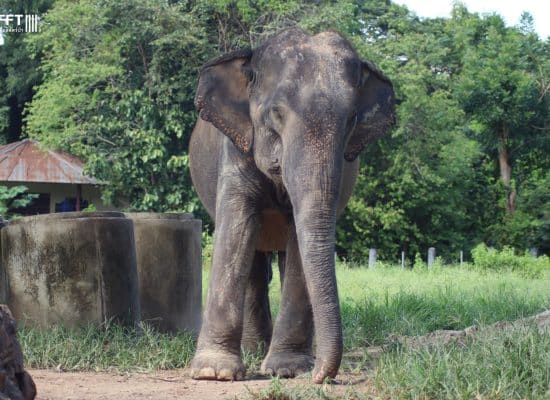
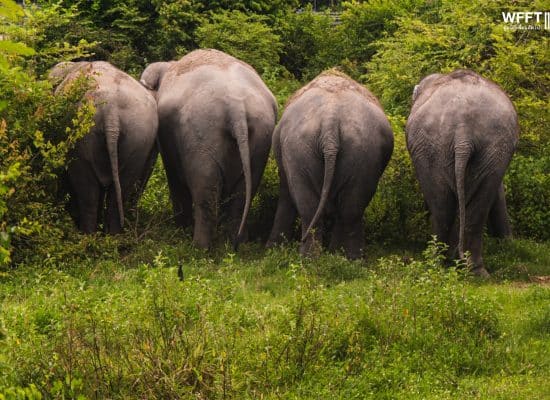
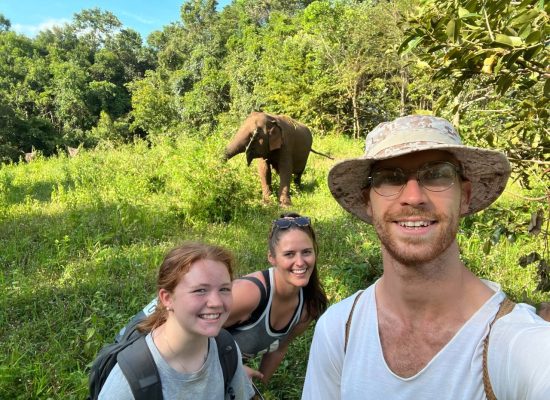
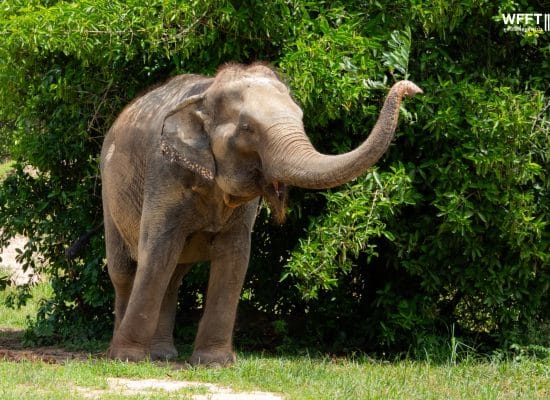
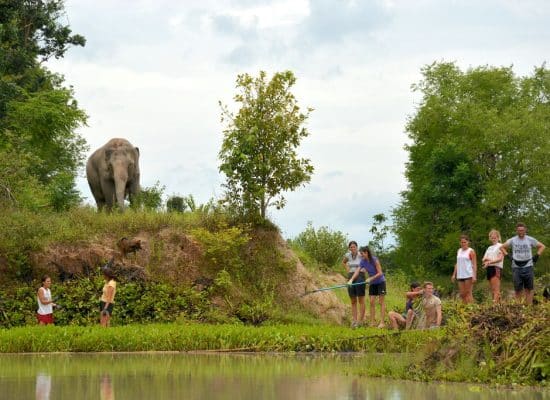
- In Thailand, a sanctuary allows elephants to roam. Here, they have space to walk, forage, and rest. Volunteers work with mahouts. So, improving the elephants’ welfare.
- Another example is Asian elephant conservation. They focus on training and show kids how to protect wildlife. Thus, it helps villagers use sustainable habits.
- Some care work projects in Asia are good. They combine elephant care with social work. Also, they carry out small development projects.
Shows how volunteering can bring about change
How Volunteering Builds Sustainable Futures
Elephant conservation is not only about today. It also shapes the future of whole regions. When people join programs, they create balance.
Long lasting Farming
Many projects guide farmers towards sustainable methods. This protects elephant habitats.
Youth Engagement
Youth connect with people to learn about wildlife. This inspires future conservation leaders.
Community Pride
Positive change builds pride in local forests. This pride leads to better care and conservation.
Advocating Beyond Your Trip
Volunteering is just the start. You can still support communities after you get home.
Raise Awareness
Share your experiences. This helps promote ethical wildlife tourism.
Fundraise
Support sanctuaries' community-led conservation projects with funds.
Advocate Policies
Favour laws that protect elephants. Plus, promote viable tourism.
Stay Engaged
Continue donating or volunteering from home.
Educate Others
Tell them why volunteering is important. Also, teach the benefits of volunteering for the community.

Wrapping It Up
Care work with elephants is powerful. Moral programs help with elephant rehabilitation. They help people and support wildlife volunteering.
Many trusted volunteer programs in Asia let you make a real impact. You learn how community-led conservation projects work. And also tell how they protect both wildlife and people.
When you choose an ethical program, your time matters. You help elephants heal. You support healthier living spaces. And also, you help nearby communities grow and flourish.
Care work is more than a trip. It’s a commitment to conservation and ethical action. Your efforts matter.