
You’ve likely heard of Cusco. This is an Andean city steeped in history, Spanish colonial streets, Andean music, and stunning mountain views. But beyond colorful markets, in some neighborhoods, children lack proper access to education. If you want to help them grow up strong and educated, this is the opportunity for you!

You can help children in Cusco and the surrounding villages to learn, bring hope, and have new opportunities through volunteer projects in Peru. Let’s review in depth what this process is all about.
What are The Top Education Volunteer Programs in Peru?
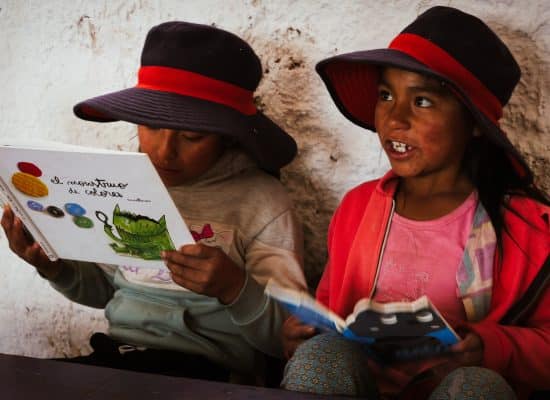
Cusco ismore than a tourist trap. It’s the place of rural-migration communities, indigenous families, Andean villages. The parents in Peru often speak Quechua as a first language and may have dropped out of formal schooling early. Most traditional state schools simply cannot afford to provide each child with the required level of attention, resources, and language-sensitive support. There are two main projects that you can join in Peru:
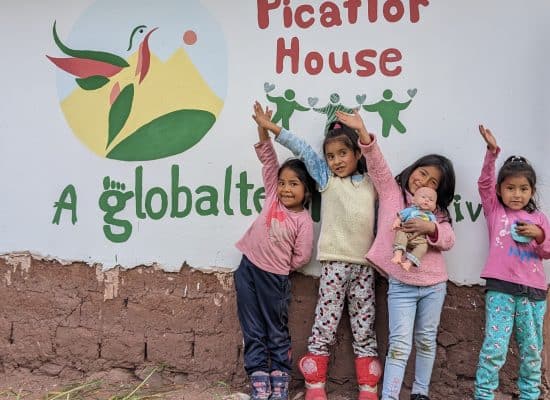
Globalteer’s Approach to Support Education Through Picaflor House
In Peru, there is minimal after-school care, safe places, or support for their homework. As a result, many children in nearby villages head out into the streets after finishing school. To help these children and create new volunteer opportunities in Peru, Globalteer started the Picaflor House Community Project.
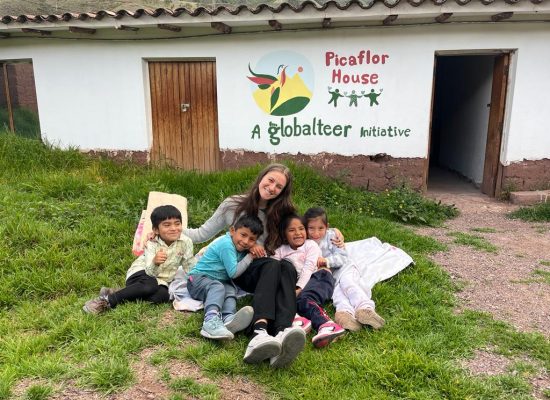
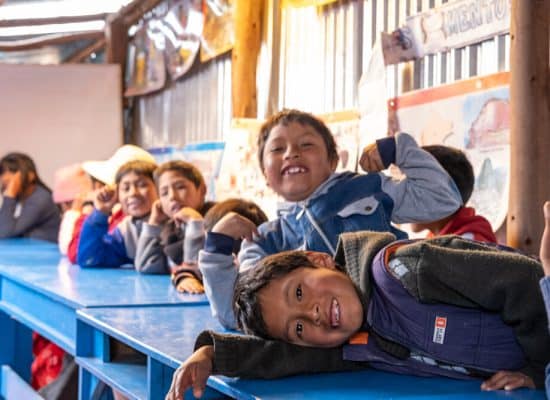
This project began in 2010 after many visits to communities around Cusco to identify what was needed. Globalteer chose Oropesa village to launch Picaflor House as an after-care and learning assistance center for students. It began modestly with a few classes three times per week, and has now grown into a proper community center. The Picaflor house has multiple classrooms, a computer room, an art space, a playground, a garden, daily meals, and support for up to 80 children every day. Globalteer Peru volunteer opportunities focus on creating real impact, not just promises on paper.
Long-Term Impact with Ethical Volunteer Projects
Volunteering in Peru for children and community education builds long-term community support, educational opportunity, and trust. This is why so many people searching for volunteer projects in Peru choose Cusco as the right volunteer location. Some volunteers even combine their trip with volunteering in Amazon areas or visiting a Peruvian animal shelter or animal sanctuary in Cusco, Peru, to support other causes during free days.
What Educational Volunteering with Globalteer in Cusco Looks Like?
Once you sign up for the Project Peru, here’s how things go:
Stay at Globalteer Volunteer House
You’ll stay at Globalteer’s Volunteer House, an accommodation in Peru that's safe and comfortable in a calm Cusco neighborhood. It has shared rooms, kitchen access, and easy transport to project sites. You can also choose to stay separately at a hotel or with locals.
Weekly Schedule and Balance
Usually, volunteers work from Monday to Friday, in the afternoons (which leaves a lot of free time for Spanish lessons in Peru or sightseeing. This approach gives you balance as you volunteer, and you still explore Cusco’s beauty and culture.
Activities You May Participate in
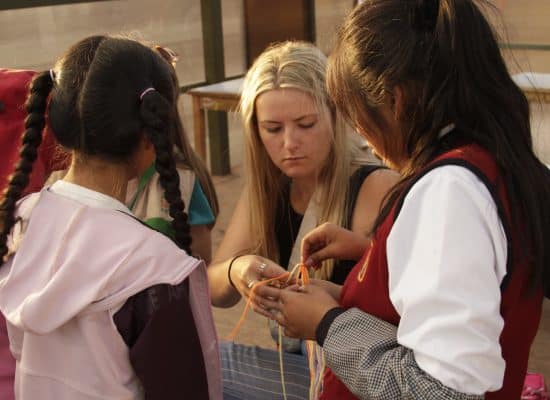
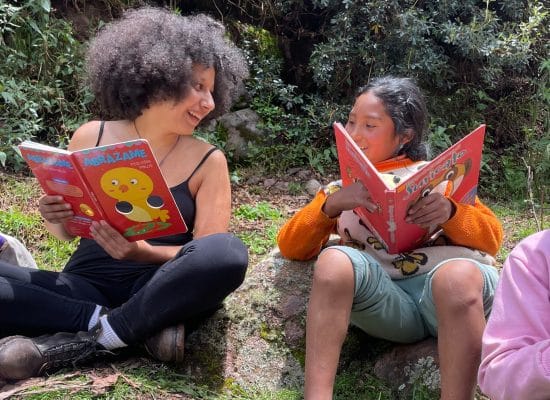
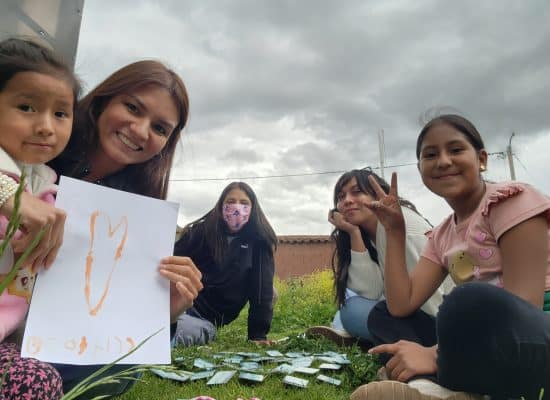
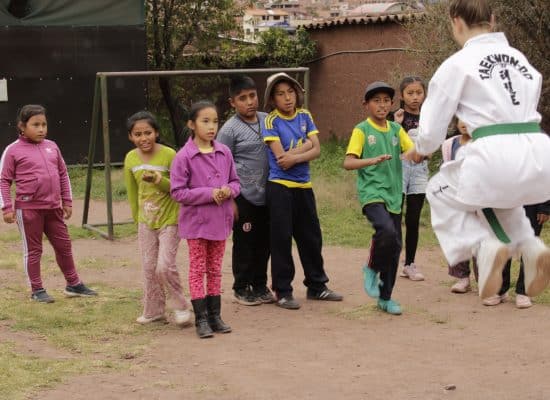
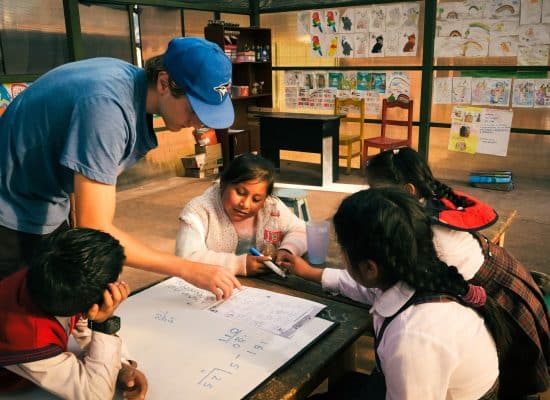
Typical educational volunteer activities include helping local teaching staff with English classes, arts & crafts, homework support, sports & games, computing classes, and even kindergarten care. Many participants join specifically to volunteer in teaching English in Peru, which helps children progress academically.
Language Requirements
It’s not mandatory to speak or learn Spanish before you arrive; many volunteers don’t. Yet, there is an opportunity to take Spanish classes while you volunteer, which adds to cultural immersion and effectiveness.
Additional Support Tasks
Apart from teaching, You may also help with basic classroom maintenance, playground supervision, and general student support, all of which matter for sustaining the project for local kids.
This setup injects energy, ideas, and manpower into a community-run program that depends on volunteer projects abroad for teaching, donations, and grants. There is no state funding for this project and the volunteer work is the ultimate contribution from our side. You come as a volunteer and leave as a friend to a community that welcomes you, learns with you, and remembers you.
What You Can Contribute to Educational Volunteer Projects Beyond Just Classes?
As a volunteer in Peru, you might imagine yourself as an English or math tutor. However, your position could be a lot more productive if you adopt the following possibilities:
- Homework help & academic support: Many children have parents who don’t understand what’s being taught in schools (either due to language or educational barriers). So, as a volunteer, you help them catch up.
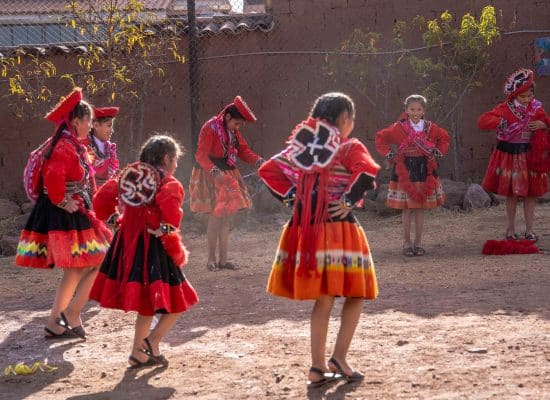
- Creative classes: arts, crafts, music, dance, sports: Picaflor House also provides extra-curricular activities beyond formal academics. These enrich children’s growth, creativity, and confidence.
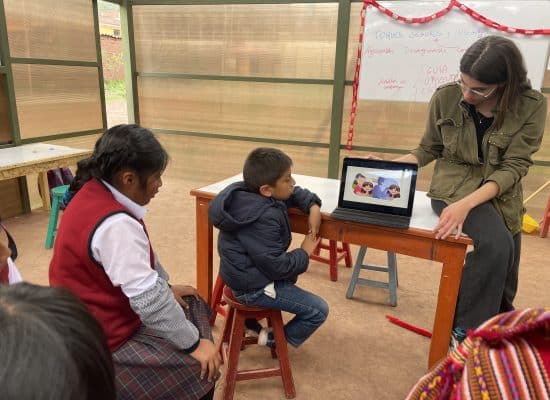
- Computing / digital literacy: Teaching basic computer skills can open doors for older children, giving them tools for the future.
- After-school safe space & healthy meals: For many families, the project becomes a safe, stable space. Kids get a nutritious lunch, clean drinking water, and a place to grow.
- Cultural exchange & language help: If you know another language or are learning Spanish, you can bring cultural exchange. Also helps children build confidence in other languages.
- Mentorship, encouragement, and care: Often overlooked, emotional support and attention from volunteers can boost self-esteem and sense of belonging, which matters a lot.
Volunteers bring resources local staff may not always have: time, different skills, fresh ideas, energy, and, importantly, a global connection.
How to Properly Prepare for an Education Volunteer Program in Peru?
Before you even book flights for your volunteer projects in Peru, it’s worth contacting Globalteer staff, reading their program overview carefully, reflecting on your own motivations and expectations, and considering how long you are willing to commit.
If you go for 1–12 weeks (the typical placement range), make sure you:
- Understand that while mornings and weekends may be free, afternoons will be dedicated to the program. That means balancing Children volunteering in Peru with rest, travel, and proper self-care.
- Your age must be 18 or above and you must be proficient in speaking Spanish or English, plus pass a background check since you’ll work with children.
- Be open to cultural differences. Some children come from Quechua-speaking homes or families that moved from remote mountain villages. Sensitivity and respect matter.
- You should also be willing to help beyond “teaching”: sometimes that’s cleaning, gardening, preparing meals, organizing sports, all small tasks that support the bigger goal.
- Also, be ready to learn: not just about teaching, but about Peruvian culture, challenges, and community needs. Programs like this are great for anyone exploring how to volunteer in Peru or looking for meaningful cultural immersion.
How to Make Your Volunteer Contribution in Peru More Meaningful?
If you want your volunteer work to count, for real, then approach it thoughtfully.
- Listen first: When you arrive, don’t assume you know what kids need. Ask local staff, ask families, understand schedules, cultural norms, and challenges.
- Respect culture and language: If kids speak Quechua, ask about it. Work with local teachers to understand their way of life better. Blend traditions and local realities into lessons.
- Be flexible and ready to help: It’s not always glamorous: you may clean rooms, sweep floors, and prepare lunches. But those tasks matter - respect them.
- Focus on sustainability: Don’t create short-lived changes. Try to build routines: regular after-school clubs, follow-up support items, and teaching aids. Leave behind something the community can carry forward.
- Reflect, adapt, and give feedback: Ask: What worked? What didn’t? How can things improve? Listen to students, parents, and local teachers.
If you treat volunteering like a temporary holiday, children will see you leave, and with you, maybe their hope. If you treat it like a partnership, you may help build something that lasts.
Why Volunteer Education Matters, Not Just for Kids, but for the Community in Peru
When a child learns English, or reads literature, or discovers digital tools, they don’t just learn, they open doors. Doors to better jobs, wider horizons, and communication. In a place like Cusco, where many families come from remote mountain regions, where formal schooling or resources were limited, these volunteer projects in Peru can transform lives.
Beyond individual progress, volunteer-based education strengthens community networks. It builds trust across cultures. It nurtures respect for heritage and local culture, and helps bridge gaps between generations. And it helps you, the volunteer, discover empathy, perspective, and a deeper understanding of our shared human story.
Wrapping up
Volunteering abroad in Cusco isn’t a postcard vacation. It’s real work. Real relationships. Real learning, for you and for the children you meet. It’s messy sometimes. It might challenge your expectations. But it’s also one of the most rewarding, human experiences you can have.
If you go with humanity, respect, patience, and a willingness to learn, you’ll give more than just lessons. You’ll give hope, trust, and a glimpse of a future where children in Cusco, and beyond, can dream bigger. If you’re ready, pack your bags, and check this complete Peru packing list.
If You Want to Help, Do It with Heart!
Made up your mind? Visit our page to apply to volunteer abroad.