
Access to quality education affects more than test scores; it shapes a child's opportunities for life and the strength of the community around them. Yet many children still face real barriers to learning, such as overcrowded classrooms and few resources beyond the basic curriculum.
This is where child education support makes a real difference. Volunteers can offer steady, respectful, and lasting help by working alongside local teachers, not replacing them. Here's how.
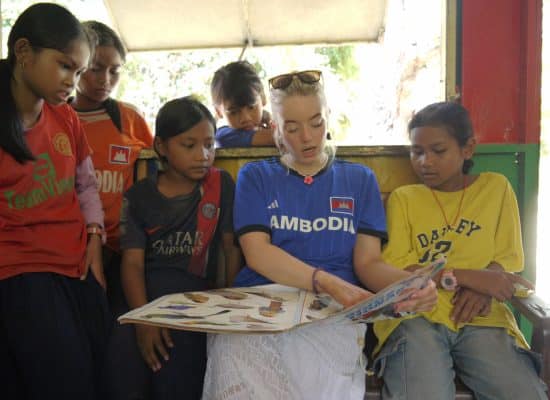
What Are the Biggest Challenges Facing Child Education Today?
Children in under-resourced communities often face several overlapping challenges. Here are some of the most common:
| Challenge | Effect on Children's Learning |
| Limited resources and materials | Fewer books, structured lessons, and learning tools available |
| Gaps in English and practical skills | Fewer opportunities in further study, tourism, and work |
| Financial and social barriers | Families often prioritize work over regular schooling |
| Lack of community-based support | Local needs go unmet without steady, on-the-ground involvement |
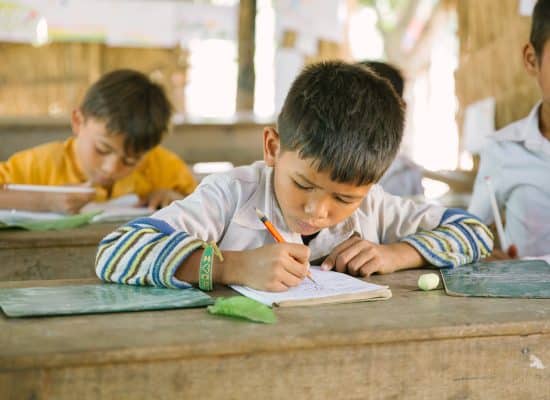
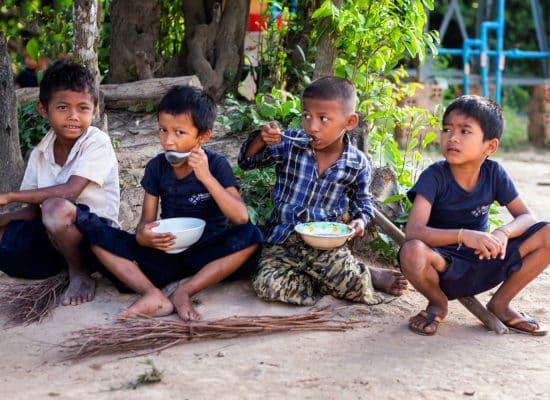
How Can Volunteers Support Children's Learning?
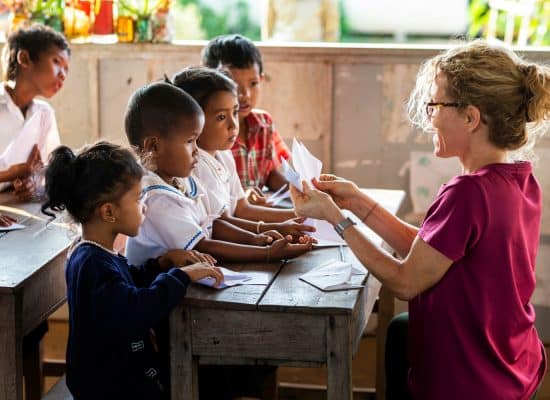
There are several practical ways volunteers can provide child education support, alongside teachers rather than instead of them:
- Supporting English learning, pronunciation, and everyday conversation
- Building children's communication, confidence, and creativity through art and games
- Assisting teachers and local staff rather than replacing their lessons
- Finding creative ways to teach beyond repeating textbook exercises
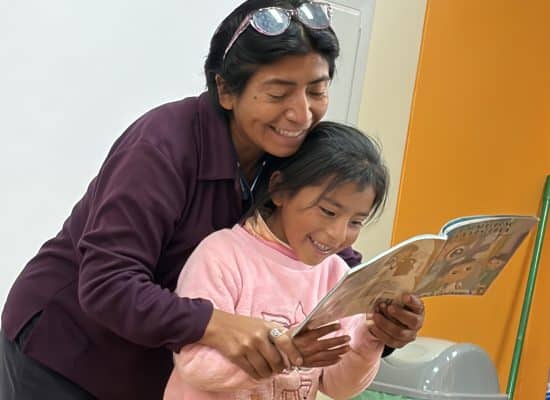
Why Is Responsible Volunteering Important in Child Education?
Good intentions only become real support when they come with responsible volunteering.
Understanding the Needs of Children and Local Communities
Every school and community has its own priorities, resources, and gaps. Responsible volunteering starts with learning what's actually needed on the ground, not bringing in lesson plans or activities that worked somewhere else.
Following the Guidance of Teachers and Experienced Local Staff
Local teachers and staff know the classroom, the culture, and the individual children far better than any short-term volunteer. Following their lead means volunteers help solve problems instead of working around them, which keeps support consistent and useful.
Creating Safe, Respectful, and Supportive Learning Environments
Children need to feel safe and respected before any lesson or activity can work. That's the foundation for learning, confidence, and engagement, and volunteers play a direct role in building it.
Why Volunteers Should Support, Not Replace, Local Educators
The best volunteers see themselves as helpers, not leaders. Their role is to complement the people a community already trusts and help local educators do more.
How Can Education Support Go Beyond the Classroom?
Learning continues after the lesson ends, and many of the most useful skills children pick up aren't part of the curriculum.
Encouraging Confidence, Creativity, and Teamwork
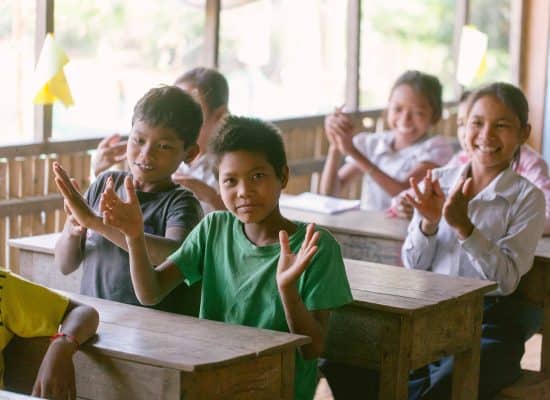
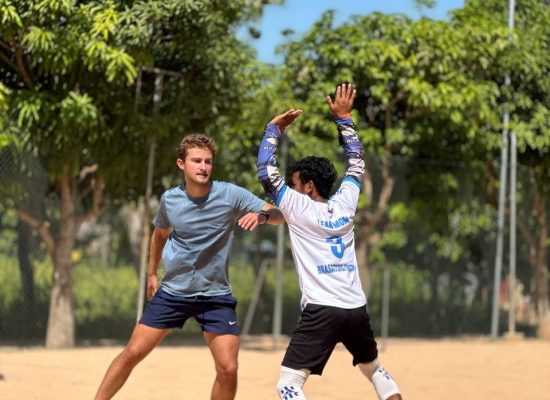
Through group activities, art projects, and simple team games, children practice skills a textbook can't teach, like speaking up, working together, and handling both success and failure. These moments often build more confidence than a graded lesson.
Supporting Extracurricular and Recreational Learning Activities
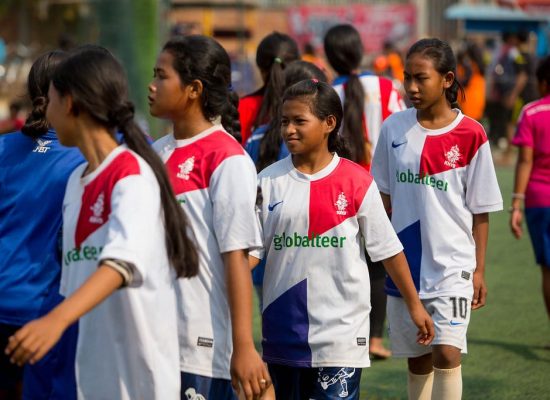
Sports sessions, music, and creative games give children a chance to have fun while still practicing focus, listening, and following instructions, all of which carry over into daily classwork.
Helping Children Develop Practical Skills for Everyday Life
These activities can also cover simple health habits, basic hygiene, and everyday problem-solving, giving children skills that stay useful long after they finish school.
Creating Positive Experiences That Help Keep Children Engaged
Children are far more likely to stay engaged when learning comes with positive, encouraging experiences. Volunteers who keep interactions warm and low-pressure help build that connection.
How Can Volunteers Create a Meaningful Educational Impact?
The volunteers who make the biggest difference tend to share a few habits:
- Building relationships through regular, respectful contact over time
- Adapting activities to different ages, abilities, and learning needs in the same room
- Sharing knowledge and skills in ways children can understand and use
- Working with local teams toward long-term community goals rather than one-off activities
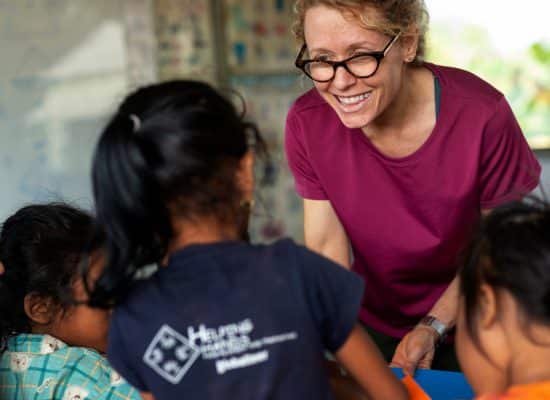
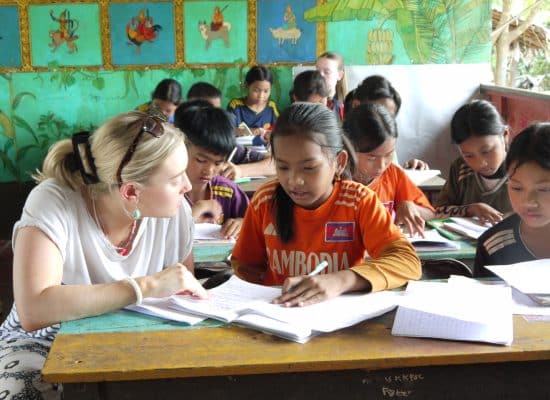
This kind of consistency is what makes hands-on Cambodia education volunteering work: it's built on ongoing local partnerships, not single visits.
Why Does Child Education Support Benefit the Wider Community?
Child education support reaches well beyond the classroom. Over time, education helps children find stable work, support their families, and invest in their communities, which no single school term can do on its own.
Confidence gained in class often leads to continued study and better school attendance. It can also inspire supporters to sponsor a child directly. Consistent, sustainable education projects are what turn individual progress into years of community change.
Why Choose Globalteer for Child Education Support Volunteering?
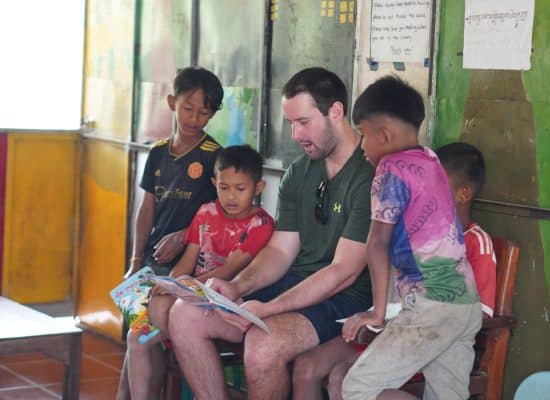
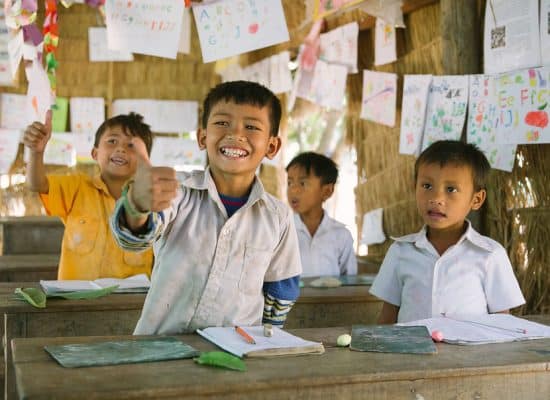
Globalteer's Helping Hands Cambodia program places volunteers with local teachers and staff on community-based education projects in Siem Reap, supporting English lessons, creative activities, and everyday school life. It's hands-on Cambodia education volunteering within a project that has real, lasting community connections.
Conclusion
Real progress happens when volunteers work with local school staff, not around them. Whether it's in-class Cambodia education support, organized volunteer travel programs that place you alongside existing local projects, or sponsoring a student through school, every contribution counts when it's consistent and respectful. None of it replaces local educators; it strengthens what they're already building.
Ready to Make a Difference Through Child Education Support?
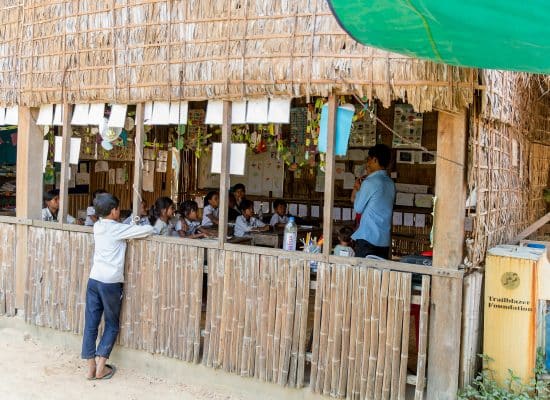
Globalteer's teaching volunteer programs place you with local teachers and school staff, supporting English lessons, creative activities, and everyday school life. It's a chance to make a meaningful contribution to a child's education, with support that lasts long after your trip ends. We'd love to have you.