
Elephant sanctuary volunteering trades spectacle for stewardship. No crowds watching elephants perform; you join the team that ensures they are fed, healthy, and free to behave naturally. In addition to relieving sanctuary staffers' workload with hands-on help, volunteers bring in cash that boosts local economies.
As more people become aware of animal welfare, more travelers are expecting this kind of experience to be a part of their trip. Let's take a closer look.
What Is Life Like as an Elephant Sanctuary Volunteer?
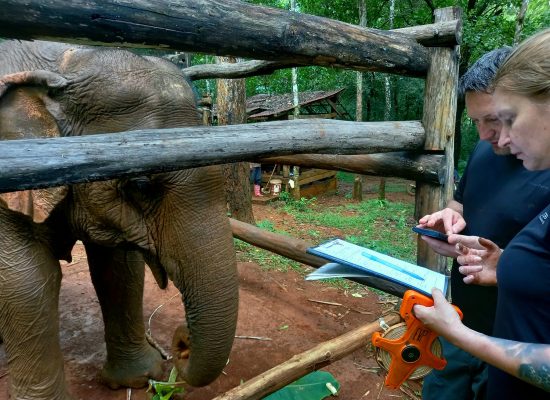
Days are full of activities, practical and driven, not by a tourist schedule but by the elephants' natural rhythm.
Morning Routine
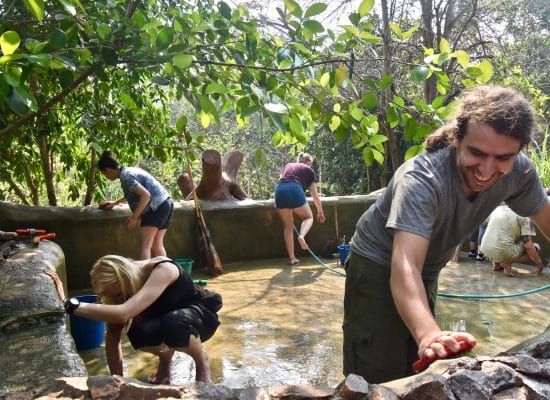
Days begin early, before the heat of the day. Be prepared to cook food, take the elephants to graze, and clean shelters, the tasks that keep things running in a sanctuary.
Afternoon Enrichment
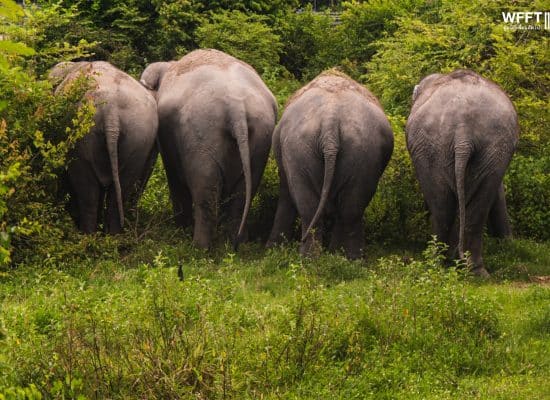
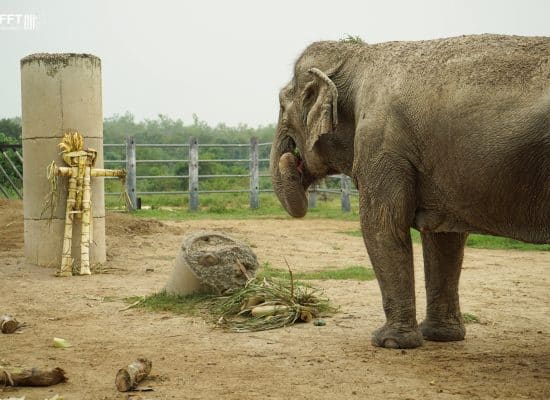
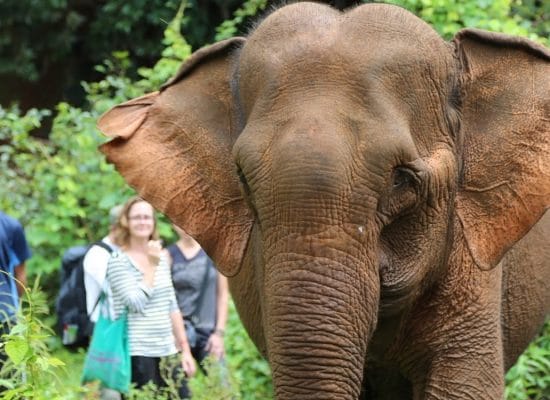
Afternoons are typically spent on enrichment, such as hiding food to encourage good foraging habits, or watching the herd interact from a safe distance so as not to disturb their natural behavior.
Working Alongside the Team
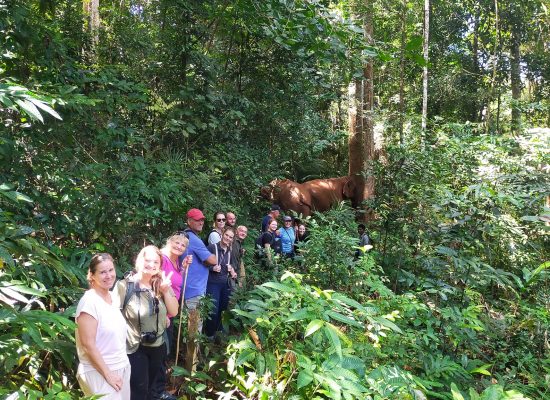
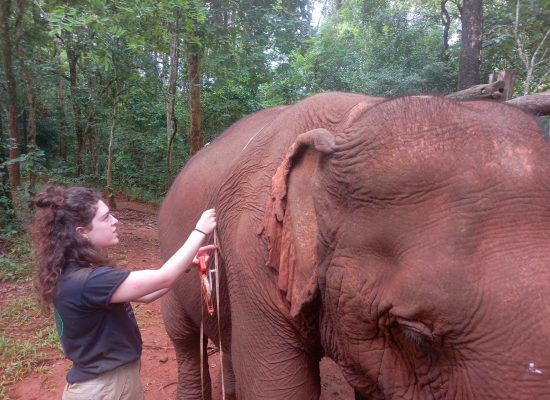
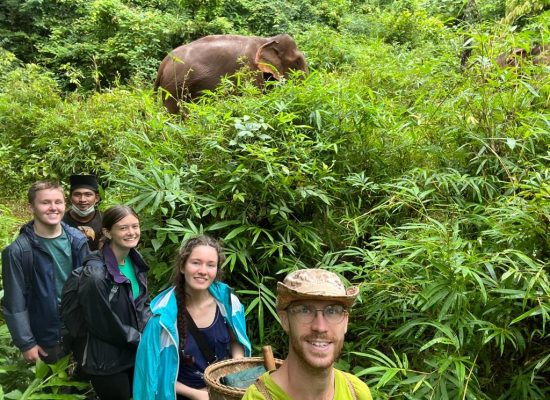
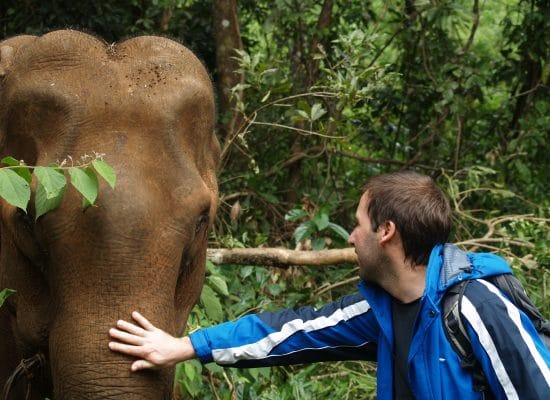
Volunteers learn to read elephant body language, keep a proper distance, and avoid approaching them directly. You'll typically work in small groups with mahouts and sanctuary staff, in a spirit of collaboration rather than for a quick photo shoot.
How Does Your Work Benefit Elephants and Their Environment?
The simplest tasks add up. Here's where that work goes:
- Daily care: Feeding and basic health checks to keep things running smoothly.
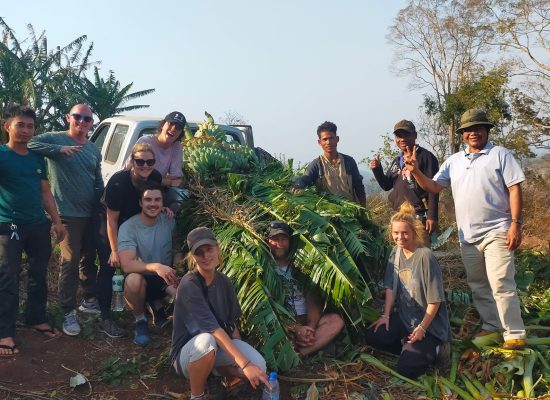
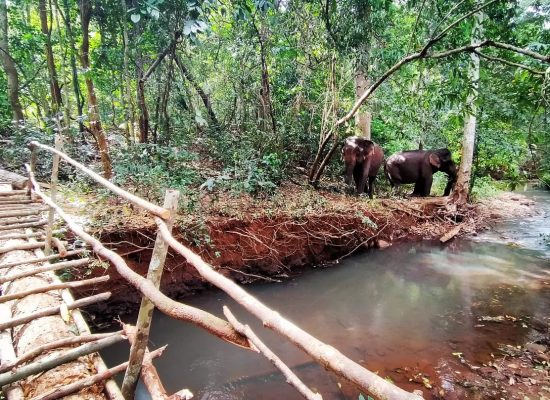
- Habitat maintenance: Path clearing, fence repairs, and food crop planting and management.
- Enrichment: Activities that encourage natural foraging and social behavior.
- Long-term welfare data: Observation notes that track elephants' wellbeing over time.
Such volunteer wildlife conservation efforts aren't always noticed in the press, but it is the behind-the-scenes daily work that helps to keep things running smoothly at a sanctuary, and it is precisely here that more hands are needed.

Beyond the Sanctuary: What Will You Discover Along the Way?
Elephant sanctuary volunteering is rarely just about the elephants. Most volunteers become completely surrounded by the village life around them; they enjoy meals with villagers, learn some of their language, and understand how the community and wildlife rely on each other.
Many volunteer programs offer opportunities to combine animal care with time to explore the wider area: temples, markets, rice paddies, or river landscapes, making them much more than just a trip to work with animals.
What Skills and Experiences Can Elephant Volunteering Give You?
In addition to animal-care skills, this kind of work tends to change you in predictable ways:
| Skill area | What you develop |
| Practical work | Animal handling basics, land and habitat maintenance |
| Teamwork | Coordinating tasks with local staff and other volunteers |
| Adaptability | Working around weather, animal moods, and shifting schedules |
| Perspective | Deeper respect for wildlife and environmental issues |
| Confidence | Comfort operating well outside a normal daily routine |
These are memories that will last long after the journey is over, and it's a fine reminder of why people choose volunteer wildlife conservation work over a photo of themselves on the back of an elephant.
How Can You Make Sure Your Elephant Volunteering Is Ethical?
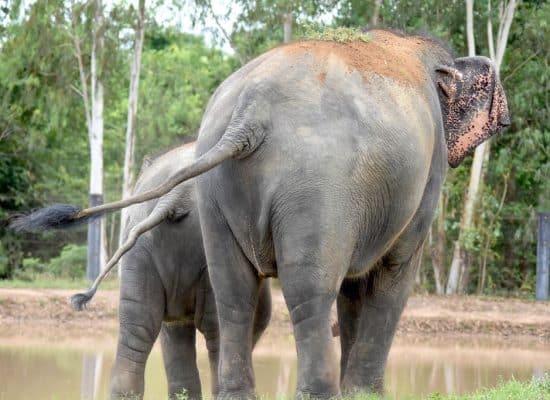
The term sanctuary is not regulated, and it is used broadly. Before booking, be sure to check the following:
- Does the program allow riding, or promote it as an activity? That's a red flag.
- Are interactions guided by trained staff, with clear boundaries around touching and feeding?
- Does the organization employ or train local people, rather than sidelining the community?
- Is there transparency about where your placement fees actually go?
Before you take the time to compare volunteer travel programs, it's important to spend some time online learning how to spot an unethical volunteering organization, since the warning signs aren't always obvious from a website.
Why Could Globalteer Be a Great Choice for Your Adventure?
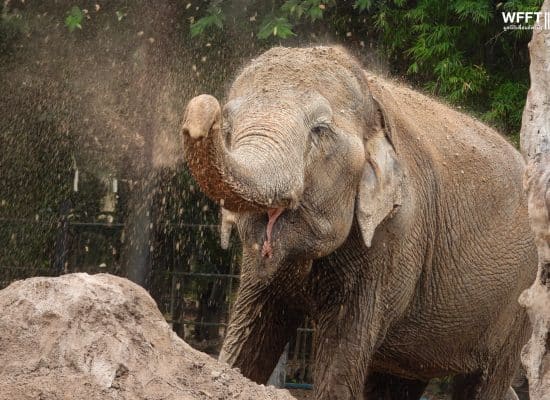
Globalteer operates elephant sanctuary programs in Thailand and Cambodia, which focus on welfare, not entertainment. It's a registered UK charity that offers pre-departure guidance, in-country support, and placements developed in collaboration with local teams and specialists.
Our full listing of Elephant Sanctuaries lets you choose the location and dates that work best for you, so your time goes toward a real, ongoing project.
Could This Be the Travel Experience You've Been Looking For?
The key is choosing the right placement, which takes a bit of self-reflection before you book.
Know What You Want From It
Make it clear what your priority is: hands-on with the animals, cultural experience, a very short break, or a longer period of placement. Volunteer travel programs are built around different goals, so knowing your priority helps you find the one that fits.
Match the Placement to Your Life
With your priorities in mind, compare them with the duration, framework, and difficulty of various programs. When considering your options for an elephant placement, you should look into affordable volunteer abroad programs and compare the time and cost involved.
Set Realistic Expectations
The main thing is to have a realistic idea of what to expect, including physical activity, early starts, and unpredictable weather. Going in expecting just another stop on a trip usually doesn't work out.
Turn Your Love for Elephants Into a Meaningful Adventure With Globalteer
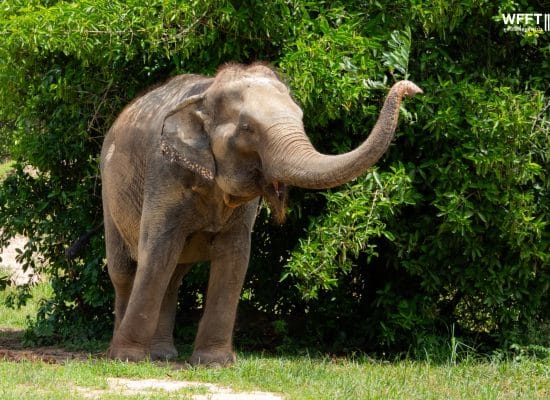
Elephants don't need spectators; they need people who show up, work hard, and care more about their well-being than the show. This is what this type of experience-based placement asks of you, and it's also one of the reasons it's worth it. You don't just take photos home. You take a clearer understanding of what conservation looks like on the ground, a few new friends on the team, and the knowledge that your visit made a difference to the place you stayed.