
Volunteering in Peru gives you something a normal holiday can’t: real time with the people who live there. Working in one place, alongside local people, day after day, builds connections that sightseeing can’t. If you come with respect and an open mind, sharing your skills, time and daily work can lead to relationships that last long after you leave Cusco. Here’s how.
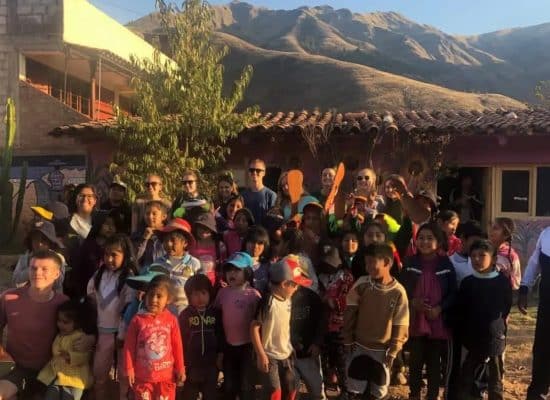
What Makes Volunteering in Peru a Meaningful Experience?
A meaningful placement is more than a stop that fits your travel schedule. It means:
- Working with local communities and organisations, not watching from the sidelines
- Learning about local culture, daily life and community values
- Joining projects that meet real, clearly defined needs
- Travelling with a sense of purpose

How Can Volunteers Connect With Local Communities?
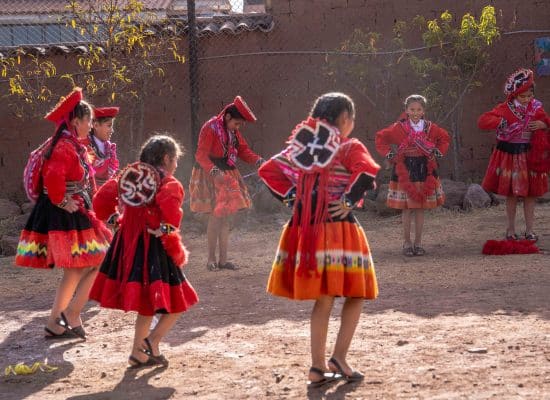
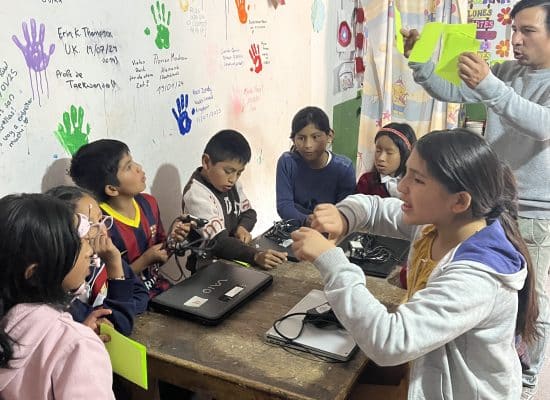
Real connection starts with working alongside local staff and community members. When you volunteer in Peru, you follow their lead and listen to what they say the community needs. Taking part in everyday activities and getting to know people through shared work is what makes a placement memorable for you and for the community.

Why Is Cultural Respect Important When Volunteering in Peru?
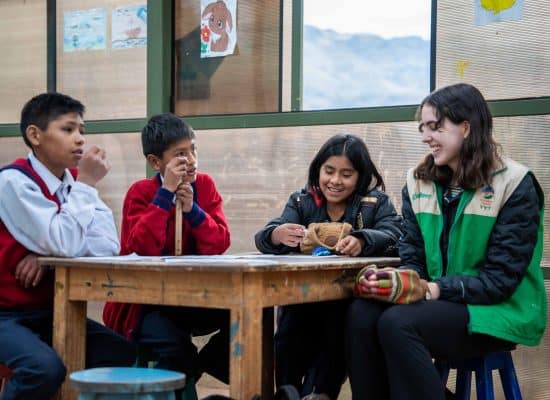
Cultural respect isn’t optional. It’s the foundation of ethical volunteering, and it shapes every interaction that follows.
Understanding and Respecting Local Customs and Traditions
Communities in Peru have their own languages, customs and routines, which may be different from what you expect. Take time to learn before making assumptions. It helps you avoid mistakes that damage trust.
Being Open to Different Lifestyles and Ways of Working
Projects may run on different schedules and priorities than you’re used to. Staying flexible, rather than sticking to your preferred way of doing things, keeps the focus on what the community needs.
Following the Guidance of Local Organisations and Staff
Local organisations understand the context in ways a short-term volunteer can’t. Following their lead, especially in your first few days, keeps your help useful rather than disruptive.
Creating Respectful Relationships That Benefit Both Sides
Respect goes both ways. It lets volunteers learn from communities instead of teaching from their own assumptions. These are usually the relationships that stay with you.

What Can You Learn Through Volunteering in Peru?
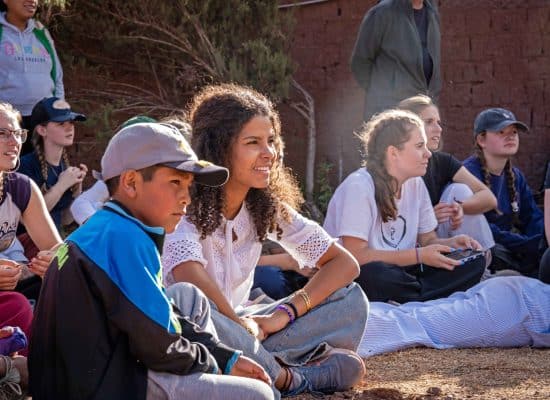
Learning goes both ways. Here’s what most volunteers notice:
| Area | What You Gain |
| Peruvian culture and community life | A first-hand understanding that goes beyond any guidebook |
| Practical project skills | Hands-on experience through real, everyday tasks |
| Communication and teamwork | Adaptability from working across language and cultural differences |
| Global perspective | A new way of seeing communities and wider global issues |

How Can Volunteers Support Local Community Projects?
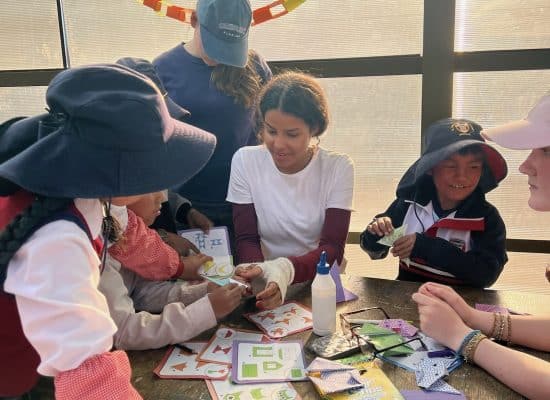
For many volunteers, this is their first time travelling abroad, and a structured community project makes that much easier. Volunteers can:
- Support community activities based on local needs
- Share useful skills and learn from local people
- Help project teams with daily work so projects run smoothly
- Give time and effort that helps the community keep going after you leave


How Can Volunteering Benefit Both Visitors and Communities?
Volunteering benefits communities and volunteers alike, especially if you’re on a volunteer abroad gap year and want more than sightseeing.
Creating Meaningful Cultural Exchange and Understanding
Working with people from a different background builds understanding on both sides. It helps break down assumptions that distance and unfamiliarity can reinforce.
Supporting Community Projects While Gaining Valuable Experience
Volunteers give hands-on help to projects that need it every day. In return, they gain skills, perspective and real-world experience they couldn’t get elsewhere.
Building Connections That Make the Experience More Rewarding
What volunteers remember most are the relationships they build through shared, everyday work. That’s what makes a placement more personal than a typical trip.

Why Choose Globalteer for Volunteering in Peru?
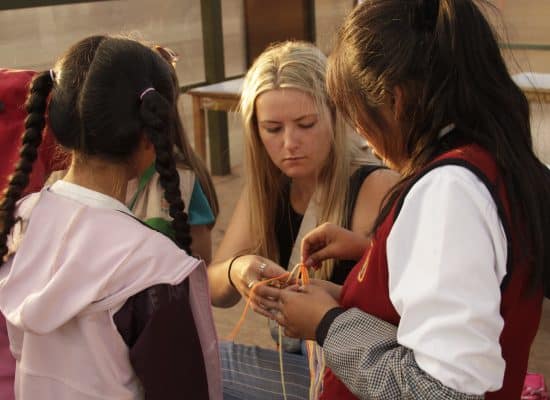
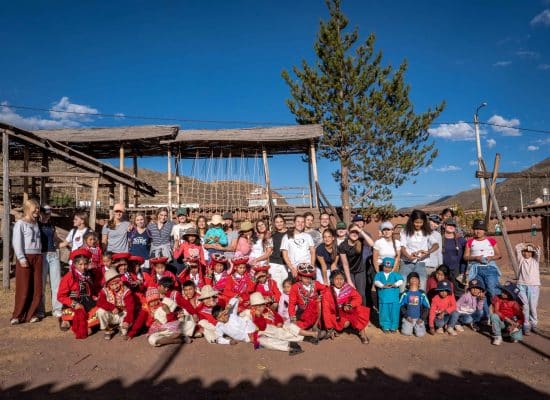
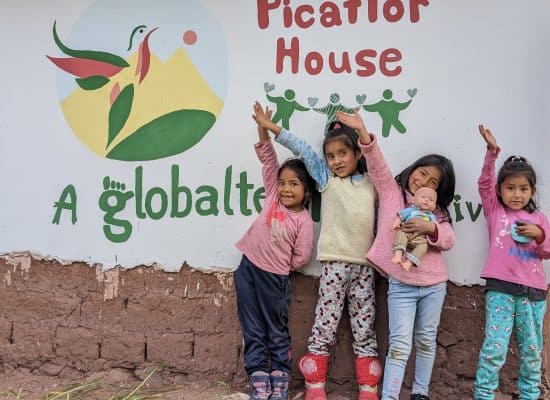
Globalteer’s programmes in Peru focus on community work around Cusco, alongside local teams rather than separate from them. You’ll learn about Peru while helping with real, locally run projects and building cultural awareness.
If you’d rather work with animals, the Amazon wildlife placement follows the same responsible approach.
Conclusion
Volunteering in Peru is about being truly present, not just passing through. Ethical volunteering adds value when volunteers respect local customs, follow experienced staff, and both give and receive support. That mindset matters whether you’re working on a project in Cusco or travelling abroad to learn rather than just watch.

Ready to Connect With Communities Through Volunteering in Peru?
With Globalteer, you join the local people and projects we already work with, sharing the daily work rather than looking on. We’d love to have you.