
Access to education in Cambodia has improved, but many rural students still face barriers such as financial pressure, long travel distances, and limited school resources. Scholarships for students help remove these obstacles by covering tuition and essential school costs. Many programs also give mentoring and pathways to higher education, including scholarships for international students.
This article explains how the Cambodia scholarship works, who supports it, and how it is improving chances for rural groups.
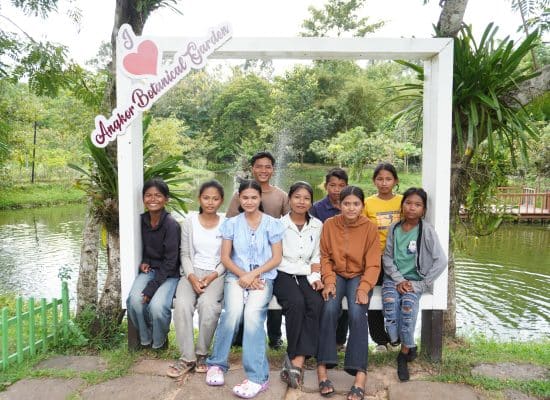
Why Do So Many Children in Rural Cambodia Drop Out of School?
Education in Cambodia is quite a problem. More than 50% of students leave before 17 years of age because of a complex of economic, location, and social barriers:
Economic Barriers
A number of families rely on peasant farming or day work. Hence, schooling is not so hard, as kids must usually help with household chores or other work that earns money.
Geographic Challenges
In some provinces, such as Siem Reap, students have to travel long distances to attend schools. Hence, they usually fail to attend every time due to unsafe roads and high transportation costs.
Gender Inequality
Girls are at huge risk because of cultural pressure, early marriage, or their extra duties at home. Hence, scholarships for graduate students are vital to make sure that girls stay in school and have an equal chance.
The Cambodian Ministry of Education shows that the dropout rate is about 15.5% in the lower-secondary school, in need of specific aid. Thus, NGO scholarships in Southeast Asia help the kids to grow.


What Does a Cambodia Scholarship Actually Cover?
A Cambodia scholarship is not always only about money. This is what students often need for scholarships:
| What's Covered | Why It Matters |
| Tuition & school fees | Removes the main reason children drop out |
| Daily meals | Improves attendance, focus, and health |
| English classes | Opens doors to better employment chances |
| Housing help | Lets rural students study in towns without leaving permanently |
| Uniforms & books | Remove the visible stigma of poverty in the classroom |
| Bicycles | Solves the distance problem for students in remote villages |
Small forms of support, like providing a bicycle, can greatly improve attendance. Some scholarships also extend to scholarships for graduate students and university-level pathways, giving motivated students the opportunity to pursue professional careers in teaching, healthcare, and community development.
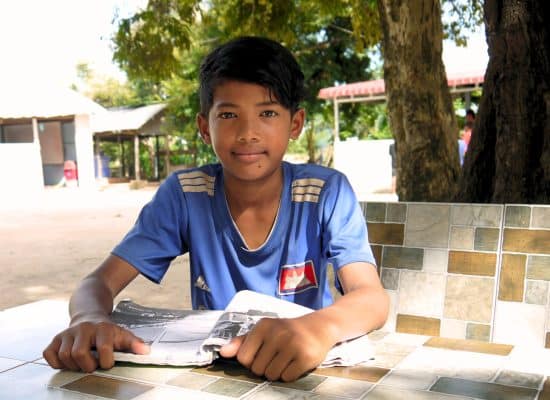
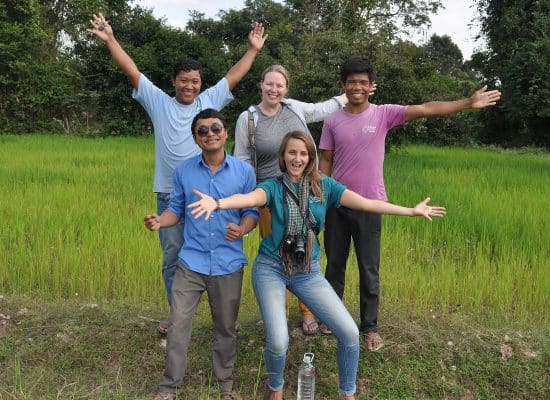
Who Is Helping Students Access Scholarships in Cambodia?
Cambodia Scholarship, such as vital NGO scholarships Southeast Asia programmes, are funded by a mix of many sources:
- Government Programs: The World Bank helps some schemes that offer structured funding for rural students.
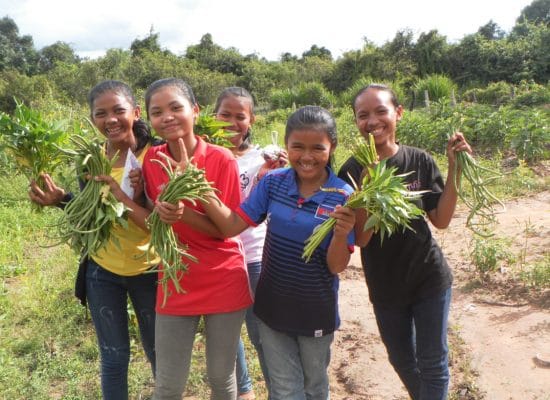
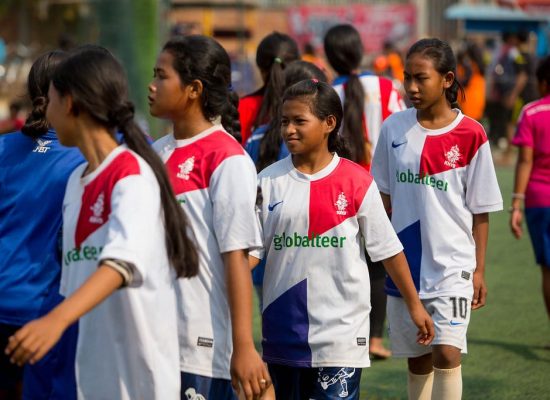
- NGOs: Organisations such as Globalteer have initiatives such as Helping Hands Cambodia, which help around 350 kids in Siem Reap to pay school fees, school meals, and mentor.
- Single Donors: It costs less than $150/month to sponsor one child for a year of education.
- Volunteers: Involving English and arts, the breakfast room, and care workers are the key to keeping children active and safe.
Participants of the Cambodia volunteer programs, such as sports volunteers, care workers or educational mentors, boost these efforts, directly affecting the learning results and support for students.
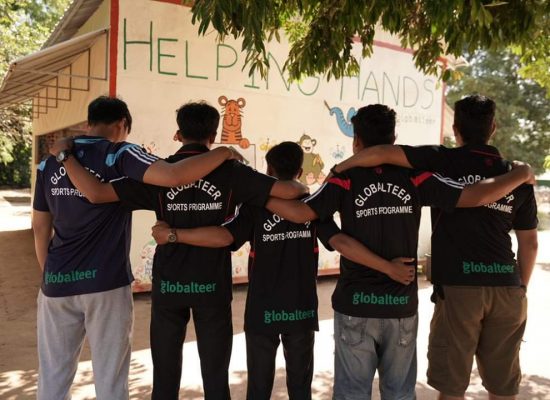
What Are Some Real-Life Stories of Scholarship Students?
Numbers describe a problem. Stories describe what solving it actually looks like.
Yoeuy’s Scholarship Story
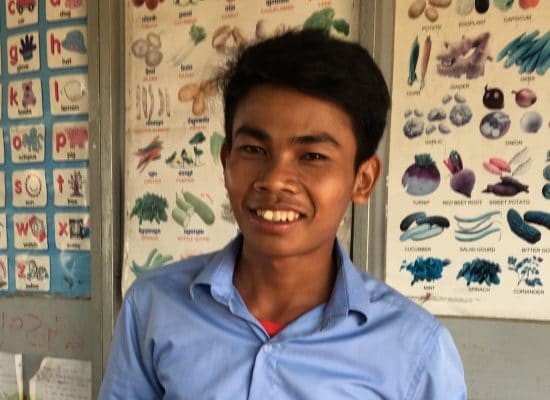
Yoeuy grew up in the Pouk District, a village near the Helping Hands School, where he is now making a significant impact as a part-time English teacher. He is the eldest of three siblings, with two younger brothers and parents who are farmers. Yoeuy’s early life was filled with responsibilities both at home and in his community.
Mourn Nat’s Scholarship Story
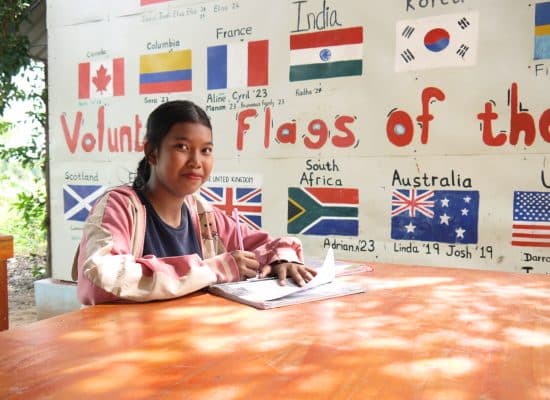
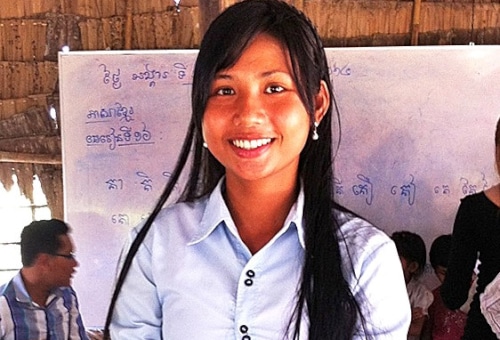
Nat was born and raised in Prasat Char village, where her small family relies on farming as their main source of income. Growing up, she attended Helping Hands School and recently graduated from Build Bright University with a degree in Agricultural Business. Nat is proud to be the first in her family to earn a university degree.
How Does One Child’s Education Benefit the Whole Community?
The impacts of education are:
- Graduates often come back as educators, nurses, or village heads, improving the rural societies.
- Girls in school prevent early marriage and help their families financially.
- Improved education boosts family income, social mobility, health, and local economies.
One scholarship can change lives, inspire groups, and motivate the next generation to pursue education.
How Can You Help Support Scholarships in Cambodia?
To sponsor a scholarship programme in rural Cambodia is not a huge task. It just needs to be a consistent one.
Donate
Small monthly donations towards scholarships for students do much more than what most donors need. Hence, the little amount covers tuition, food, and supplies for a child who will have to leave school.
Volunteer
Through our volunteer opportunities in Cambodia, you will be able to help teachers and help with class plans. Whether you are interested in volunteer work in Cambodia, there are flexible positions that will meet your schedule and ability.
Fundraise
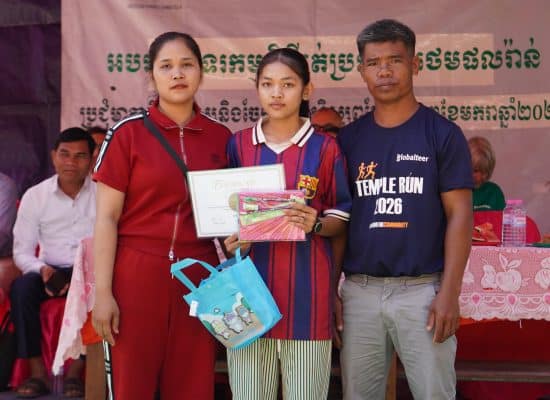
Events such as the Siem Reap Temple Run give funds and awareness to the Cambodia scholarship programs and bring donors and volunteering in Cambodia around the globe.
Joining as a volunteer in Cambodia or donating helps kids succeed and supports lasting community impact.
Conclusion
Scholarships for local students are now opening doors that previously were closed, even at university. Through NGO scholarships in Southeast Asia, it is shown that planned investment brings a lasting change. Hence, it is possible to get a good education in Cambodia, and scholarships for graduate students take the educational process far beyond high school. In Cambodian rural areas, college education is more than education; it is the door that was not to be opened.