
Choosing to volunteer abroad is a thrilling experience, but it's also a responsibility. Well-managed programs add real value to communities and animals, while poorly managed ones can do more harm than good. From small grassroots organizations to large-scale "voluntourism" businesses, the differences show up in the price, safety, and actual impact of your time.
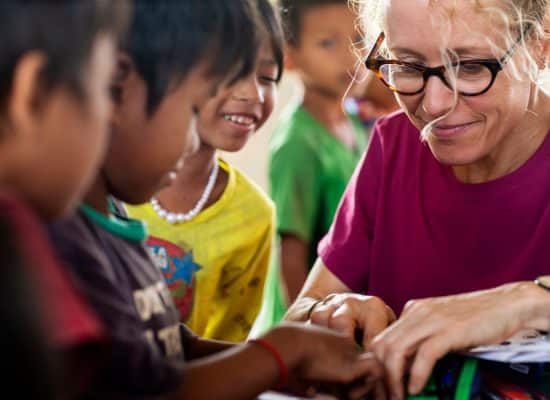
This guide explains what to expect from the best international volunteer organizations, and how Globalteer's programs are designed to ensure those impacts remain sustainable.
Why Choosing the Right International Volunteer Organization Matters
Not all overseas programs are created equal. Some focus more on marketing the volunteer experience than on actually improving lives in the community. Choosing carefully protects your time and the people you're there to support.
Ensuring your work creates real community impact
The best international volunteer opportunities involve long-term, locally led projects, not short-term feel-good activities. Look for organizations that can point to real outcomes from their programs over time.
Avoiding unethical volunteer programs
Orphanage tourism, unsupervised access to vulnerable children, and wildlife experiences that prioritize entertainment over welfare are well-documented problems in the volunteering industry. A responsible organization actively screens its projects and volunteers to avoid these patterns.
Benefits of volunteering with an experienced organization
Established organizations offer qualified in-country staff, safety measures, and community connections that a first-time operator simply can't match. This matters especially for programs like Peru volunteer opportunities, where language barriers and unfamiliar terrain make local support essential from the moment you arrive.
Key Features of the Best International Volunteer Organizations
A few common indicators help distinguish responsible programs from the rest:
|
Feature |
What to Look For |
|
Sustainable community partnerships |
Projects developed in collaboration with local organizations, not imposed from outside |
|
Meaningful volunteer roles |
Tasks that add value, rather than displacing local jobs |
| Experienced local teams |
In-country staff familiar with the culture, language, and community needs |
|
Responsible wildlife and conservation practices |
No direct contact for entertainment, no breeding for tourism, welfare always comes first |
| Cultural immersion opportunities |
Genuine exposure to local life, not a resort experience with occasional volunteering |
| Clear pre-departure guidance |
Clear details about your placement before you commit |
International Volunteer Opportunities Offered by Globalteer
Globalteer operates in eight countries, with programs spanning education, community development, and animal welfare and conservation.
Cambodia
Cambodia offers some of the widest volunteer opportunities in Cambodia available through the charity:
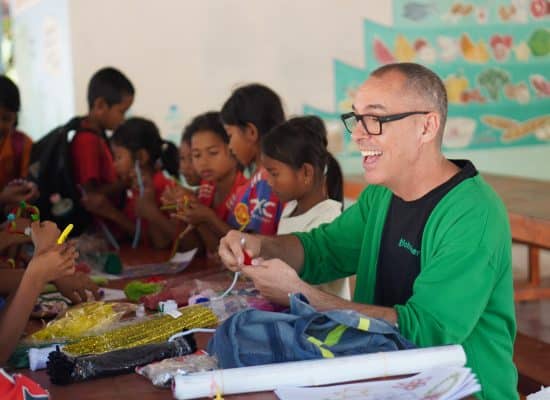
- Teaching & Education: Working alongside local teachers in the classroom to help close the gap in access to schooling
- Community Development: Hands-on work on bottom-up projects shaped by real community needs
- Childcare & Youth Support:Daily care and guidance alongside trained local staff
- Women's Empowerment: Skills-based support of local women's income and independence
- Sport Development: Coaching and organized play that build youth confidence and teamwork
For anyone comparing volunteer opportunities in Cambodia against other destinations, this range of project types makes it a strong fit for volunteers who want variety within a single placement.

Peru
Volunteer opportunities in Peru are among the most popular Globalteer offers, combining community and animal welfare work:
- Childcare & Education: Afternoon and evening care for children in the local community
- Community Development: Hands-on project work within the community
- Medical & Healthcare: Basic health assistance under the guidance of trained healthcare staff
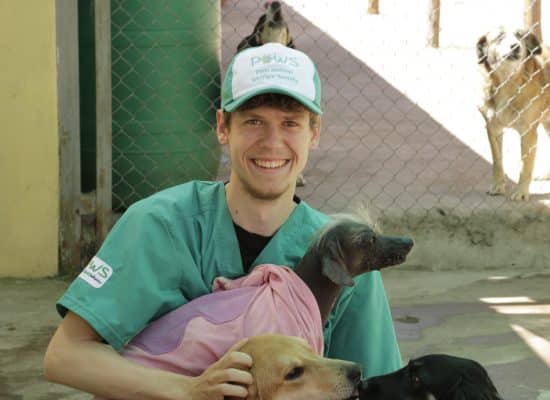
- Animal Rescue & Welfare: Practical work at rescue and rehabilitation sites.
- Women's Empowerment: Supporting local skills and income-generating projects for women
Thailand
Thailand is known for its elephant welfare project. If you're considering Thailand elephant sanctuary volunteer work, this is a strong place to start.
- Elephant Welfare & Conservation: Hands-on care and rehabilitation work with rescued elephants, never rides or shows
- Teaching & Community Projects: Classroom and community support alongside wildlife work
- Childcare Programs: Day-to-day support for local children's programs
Because demand for Thailand elephant sanctuary volunteer placements is high, confirm in advance that the sanctuary follows a strict no-riding, no-performance policy, a baseline for ethical elephant care.

Laos
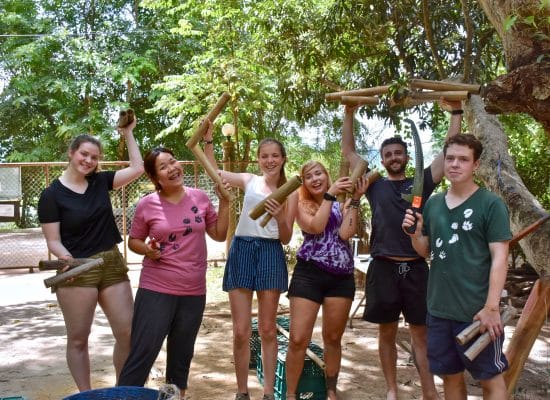
If you're interested in blending classroom time with field-based conservation work, Laos offers a smaller but equally full program:
- Education & Community Development: Teaching support alongside grassroots community projects
- Wildlife & Conservation Projects: Hands-on work supporting rescued and rehabilitated wildlife
Indonesia
Volunteers with broad interests in environmental work are well suited to Indonesia's projects, which span both marine and land-based conservation:
- Marine Conservation: Reef monitoring and coastal ecosystem support
- Wildlife Conservation: Care and rehabilitation support for native species
- Community Development: Project work on communities near conservation areas
Malaysia (Borneo)
Borneo is one of the most biodiverse regions in the Globalteer network, with projects spanning rainforest and coastline alike:
- Orangutan & Wildlife Conservation: Rehabilitation and welfare support for rescued animals, including orangutans
- Rainforest Conservation: Hands-on conservation work protecting habitat
- Marine Conservation: Coastal and reef conservation support

Costa Rica
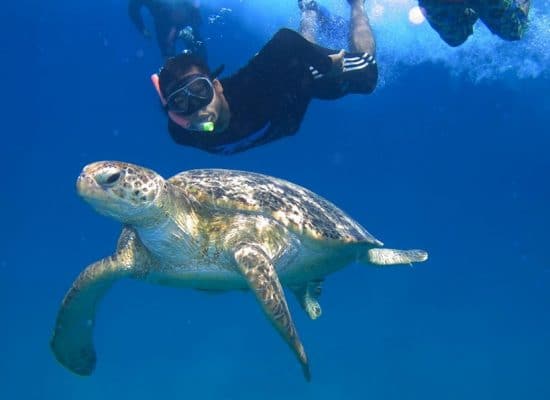
A great choice for anyone drawn to hands-on conservation volunteering abroad:
- Sea Turtle Conservation: Nest monitoring and hatchling protection along the coast
- Wildlife Rescue: Hands-on care in rescue and rehabilitation centers
- Environmental Conservation: Habitat protection and restoration work
Argentina
Argentina's placement is more focused than the others, centered entirely on primate welfare:
- Wildlife & Primate Conservation: Hands-on support at the charity's monkey sanctuary, focused on rescue and rehabilitation rather than public display
Together, these placements give volunteers several entry points into conservation volunteering abroad, whether the interest is marine ecosystems, rainforest habitats, or primate welfare.


Common Mistakes First-Time Volunteers Should Avoid
With so many programs and countries to choose from, it's easy for first-timers to make avoidable mistakes. Here's what to watch for before you commit:
- Choosing based on the lowest price. A low-cost program is often cheap for reasons that have nothing to do with safety, screening, or genuine community partnership.
- Skipping research on the organization. Do they have a registration number? Is the charity well-established? What do former volunteers actually say?
- Underestimating the commitment. Short placements can still be meaningful, but only for roles that don't require the kind of continuity a brief stay can't provide.
- Ignoring pre-departure guidance. Without proper orientation, you won't be prepared for cultural norms, safety expectations, or your actual day-to-day role.
- Assuming all wildlife programs are ethical. Always ask whether volunteers have direct contact with animals for entertainment, a clear red flag in conservation work.